

An extraordinary coalition of global AI pioneers, Nobel laureates, former Presidents, Prime Ministers, and leading scientists have issued an urgent call to action, demanding governments worldwide to confront the rapidly escalating gap between AI capability and effective governance.
This declaration, headed by an independent organisation called The Elders, which is chaired by former Colombian President, Juan Manuel Santos, and a distinguished group of global leaders including Kenya’s Special Tech Envoy, Amb. Philip Thigo, highlights that this widening divide is no longer a distant concern but an immediate crisis that threatens public safety, human rights, peace, and the environment.
The group stresses that AI holds transformative promise across vital sectors such as healthcare, education, and agriculture, potentially offering great benefits to humanity. However, they warn that the harm inflicted by AI is already visible and expanding quickly. These harms include irresponsible integration of commercial AI into military weapons that risk violating international law and causing catastrophic biological, chemical, or nuclear consequences.
Furthermore, AI systems are increasingly enabling mass surveillance, discrimination, and the erosion of civil liberties by spreading political misinformation and deepening societal mistrust. On the environmental front, AI data centers already consume more electricity than some entire countries and deplete scarce water resources, often disproportionately affecting vulnerable populations.
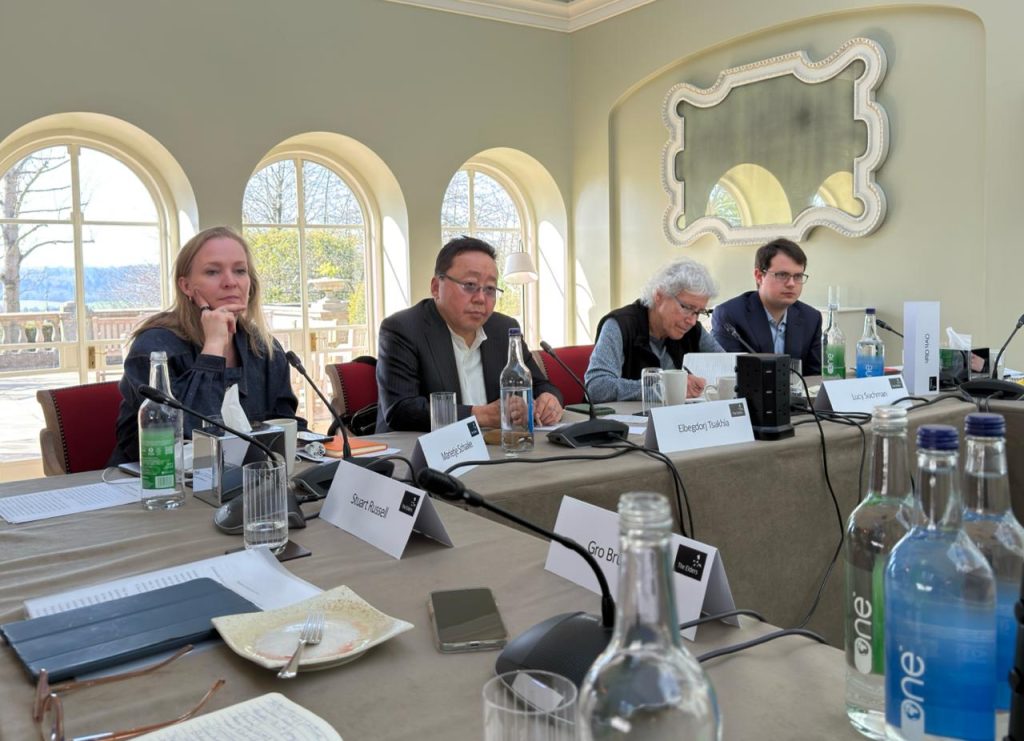
Rejecting narratives that governments cannot regulate because technology moves too fast, that companies alone can self-regulate, or that geopolitical competition should take precedence over safety, the declaration emphasizes there is nothing inevitable about AI’s development path nor about who it ultimately benefits or harms. This is a shared global challenge that requires collective responsibility, not a race dominated by a few countries or corporations prioritizing profit over public safety.
Three urgent areas demand immediate attention: peace and security; rule of law and human rights; and environmental sustainability. The coalition calls for a broad, transparent, and inclusive global dialogue on AI governance, grounded firmly in scientific research, and pledges a critical role for the United Nations in leading these efforts. In the main, their goal being to broaden the scope of AI safety beyond technical concerns to fully address the social, political, and economic impacts of AI on humanity.
Kenya’s Special Envoy on Technology, Ambassador Philip Thigo, expressed his commitment and support for the declaration on social media, stating, “Privileged and humbled to have co-signed this timely call by The Elders and a distinguished group of global leaders, scientists, and practitioners urging governments to act now to govern artificial intelligence in the public interest.
AI governance cannot be left to markets alone, voluntary self-regulation, or narrow geopolitical competition. The statement points to three urgent areas of concern: peace and security, rule of law and human rights, and environmental sustainability,” with the Ambassador concluding by saying, “this reminds us that the choices we make now will shape who benefits from AI, who bears its risks, and whether this technology ultimately serves humanity.”
Suffice it to say, the collective voice of Nobel laureates, former world leaders, and leading AI experts demands that governments act decisively to close the governance gap before AI’s risks spiral beyond control. The future of AI must prioritize human safety, peace, justice, and environmental health to ensure it serves all people fairly and sustainably.