Kenya’s tourism stakeholders have reaffirmed their commitment to forging a united front in addressing sector challenges and accelerating progress toward the national target of 5.5 million international visitors by 2027.
As part of this renewed collaboration, the industry aims to diversify Kenya’s tourism offerings by promoting niche segments such as Meetings, Incentives, Conferences and Exhibitions (MICE), with strong support from the hotel sector to position the country as a premier destination for both leisure and business travel.

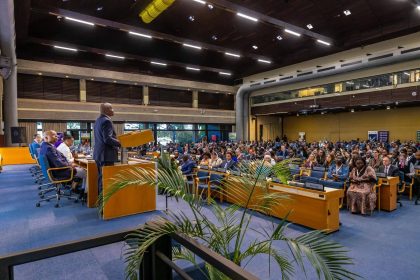
During a consultative meeting between the Ministry of Tourism and Wildlife and the Kenya Association of Hotelkeepers and Caterers (KAHC) the stakeholders also commitment to protecting Kenya’s global reputation and nurturing Kenya’s youth as key drivers of economic recovery and sustainable growth in tourism, even as they called for unity and constructive dialogue in the wake of recent disruptions.
Speaking during the forum, Cabinet Secretary for Tourism and Wildlife, Rebecca Miano, lauded Kenya’s hospitality sector for its resilience and adaptability.
She emphasized the importance of continued collaboration across all tourism stakeholders to elevate Kenya’s global competitiveness as a preferred travel destination.
“We must continue to work together to raise Kenya’s visibility on the global stage and fully harness emerging opportunities in high-potential segments such as digital nomad tourism, wellness travel, sports tourism, Meetings, Incentives, Conferences and Exhibitions (MICE), and other niche markets. I thank our tourism stakeholders the collaboration that has driven the growth we’ve witnessed in the sector. We want to build on this momentum by aligning our strategies and efforts to ensure sustained, inclusive growth that benefits all, especially our youth.” said CS Miano
She also underscored the vital role of youth, who now make up an estimated 75% of hotel industry personnel across the country, highlighting that expanded tourism will translate directly into more jobs and entrepreneurship opportunities for Kenyan youth
“The energy, creativity, and determination of Kenya’s young people form the backbone of our hospitality sector. Sustaining momentum in tourism recovery which saw international arrivals reach a record 2.4 million last year, means unlocking even more opportunities for youth. Every new tourist who visits our country can potentially create new livelihoods for our young men and women, from hotel operations and digital marketing to guiding, content creation, and conservation technology.”
The meeting provided a platform for dialogue on mitigating reputational risks while accelerating sector transformation.
While acknowledging the concerns of the tourism sector over the potential impact of the recent disruptions, the Cabinet Secretary reaffirmed the government’s commitment to ensuring peace and stability, and extended an appeal for positive national storytelling, observing that stability is a prerequisite for tourism success.
“Let us remember that tourism thrives where peace prevails. An isolated incident can be amplified globally and threaten confidence in our destination. I call upon our youth and all Kenyans to safeguard our reputation as a welcoming, united nation,” CS Miano asserted.
KAHC CEO, Mike Macharia, expressed optimism about the sector’s continued recovery and commended the resilience demonstrated by both tourism businesses and Kenya’s dynamic workforce.
“I want to thank the government for its continued collaboration and support for the sector. It’s crucial that we build on the progress we’ve made,” said Macharia. “While there are specific challenges we still face as a sector, I am confident that through open dialogue and joint action, we can overcome them.”
He added that despite recent disruptions, Kenya’s hospitality sector has remained open, safe, and responsive to the needs of both domestic and international travellers.
“The tourism sector is one of the largest employers of young people in the country. Our hotels alone provide jobs to thousands of young Kenyans, and future growth will only expand these opportunities, helping youth build meaningful careers and uplift their communities. Continued collaboration with government particularly around policy, air access, and financing will be key to achieving our goal of welcoming 5.5 million international visitors by 2027,” he added
Areas discussed also targeted interventions to bridge gaps in air market access and affordable finance. The Ministry assured stakeholders on active negotiations with the Ministry of Transport to facilitate flight frequencies from key source markets, while encouraging airlines to adopt a more competitive and partnership-driven business model to enhance overall connectivity and tourism flows.
On financing, Cabinet Secretary Miano revealed that the Ministry would engaging with the Kenya Development Corporation through the parent Ministry to establish a dedicated concessional financing window for tourism investments, reminiscent of the Tourism Finance Corporation’s earlier offerings.
The forum also spotlighted the significant potential of Meetings, Incentives, Conferences, and Exhibitions (MICE) tourism. Expansion plans for the Bomas of Kenya, alongside calls for private sector-led development of facilities in key cities such as Mombasa and Kisumu, were discussed as key drivers for diversification of the sector’s offerings.
On her part, the CEO of the Kenya Tourism Board (KTB) June Chepkemei, echoed the importance of a united front to safeguard Kenya’s tourism brand.
“Kenya’s compelling landscapes and diverse cultural heritage continue to inspire visitors from across the globe. Alongside our industry partners, we are redefining our brand narrative to focus on responsible travel, digital storytelling, sustainability, and youth engagement. Let us use our voices, platforms, and networks to showcase the authentic Kenyan experience because the whole country stands to gain from a thriving, globally competitive tourism sector.”
The gathering issued a joint communiqué built on eleven key pillars including peacebuilding, youth participation, increased air access, strategic destination storytelling, affordable financing for tourism investments as well as demystification of tourism for domestic audiences.