
Stakeholders in the livestock sector are calling for deeper collaboration between the public and private sector to establish a cohesive national platform to address ruminant disease control challenges.
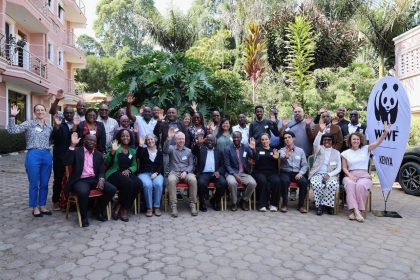
During a high-level Ruminant Vaccination Multi-Stakeholder Workshop aimed at strengthening vaccine delivery systems, improving animal health, and enhancing national food security, the leaders said although poultry vaccination in Kenya and other African countries enjoys relatively high coverage of between 70 and 80pc, ruminant vaccination lags far behind at less than 10pc in many regions.

Speaking at the forum, Dr. Lois Muraguri CEO Global Alliance for Livestock Veterinary Medicines (GALVmed) emphasized the urgency of collaborative action.
“The Government of Kenya has set strong and ambitious targets for national ruminant vaccination. We are calling for collaboration across all stakeholders, public sector, private sector, and international development partners, because no single organization can achieve this alone,” said Dr. Lois Muraguri, Chief Executive Officer Global Alliance for Livestock Veterinary Medicines (GALVmed).
According to Dr. David Kihuyu, Deputy Director of Veterinary Services at the Ministry of Agriculture and Livestock Developmnt, Kenya loses billions of shillings annually due to preventable livestock diseases, reducing milk yields, downgrading carcass quality, and increasing household vulnerability.
However, he reaffirmed the government’s commitment to scaling vaccination coverage in line with the livestock transformation goals under the Bottom-Up Economic Transformation Agenda (BETA).
“Kenya cannot achieve its livestock development goals without a unified and well-coordinated vaccination framework. Although the national vaccination programme has made progress, particularly in combating Foot and Mouth Disease (FMD) and Peste des Petits Ruminants (PPR) we still face critical gaps in vaccine delivery, cold-chain infrastructure, last-mile access, and extension services. This workshop allows us to align on priorities and co-create workable solutions,” he added.
The speakers pointed out fragmentation of vaccination strategies for slowing national vaccination efforts for years.
“Kenya urgently needs a permanent multi-stakeholder platform where the government, private sector, development partners, and farmer groups can openly discuss ruminant vaccination challenges, coordinate activities, and drive aligned action,” noted Dr. Nicholas Muyale KVA Council Chairman.
Kenya has committed to vaccinating 22 million cattle and 50 million sheep and goats as part of an ambitious national animal health drive.