A breakthrough in cancer prevention is on the horizon as boys are set to be included in the HPV Vaccine program starting this September, a move experts say could significantly reduce future cancer cases.
This comes after the Africa Health Business Symposium that took place in Nairobi this past week under the theme: ‘Health as an Investment: Powering Impact, Sustainability, and Economic Growth in Africa.’

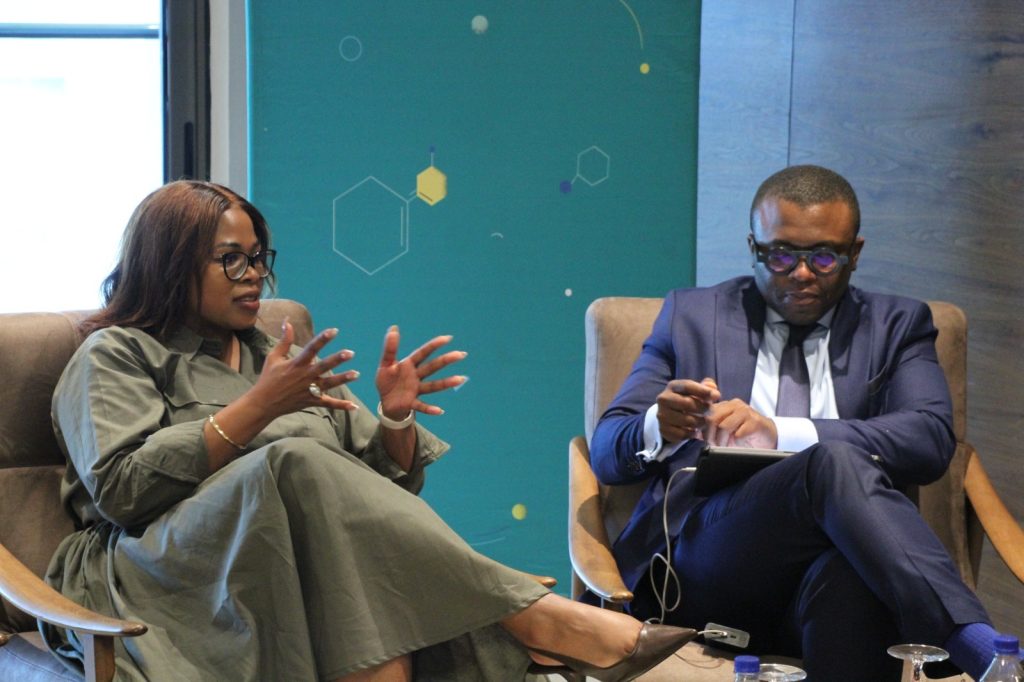
Speaking about the new development, Vuyo Mjekula, Merck Sharp & Dohme (MSD) Africa External Affairs Director, said the roll-out would begin in the private sector.
“We will be launching within the private sector in Kenya, September this year, the HPV vaccine targeting boys and adult women because we believe that our products should not only be availed to the primary cohort, which is girls aged between 9 and 14, but have relevance for boys as well as adult women, especially those that are at higher risk, including people living with HIV.”
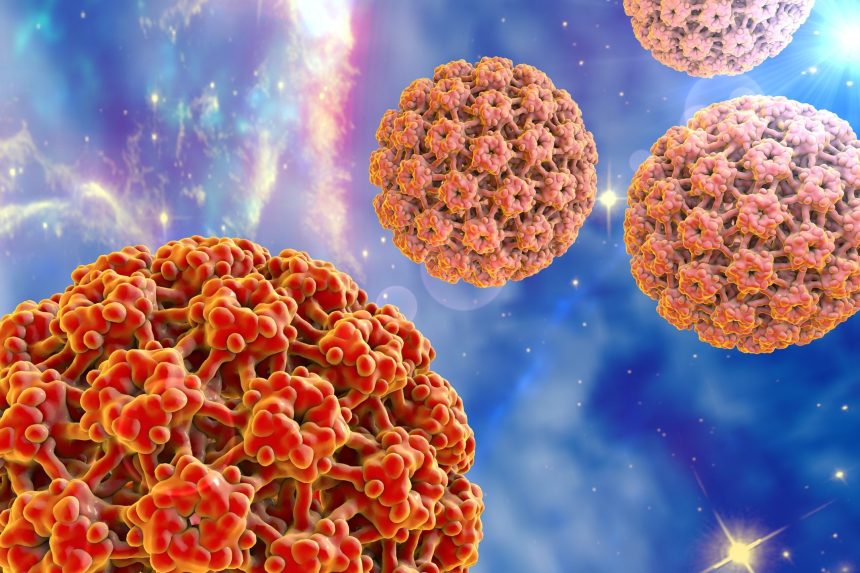
The Human Papillomavirus, or HPV, is known to cause several types of cancer, including cervical cancer in women, throat, anal, and penile cancers that affect men.
Vaccination programs in many countries have largely focused on girls, but health experts say expanding the program to include boys will help curb the spread of the virus more effectively.
Zwelethu Bashman, MSD Africa Managing Director, noted that providing healthcare interventions to people beyond the primary target population is critical to ending the spread of the virus.
“We understand that governments have limited budgets, so it is not always possible to have a broadly funded public program for vaccinating the entire population. It is therefore important that we create other avenues of access, and we believe the private sector is very viable,” he said.
Cervical and breast cancers continue to exact a heavy toll across Africa.
In Kenya alone, approximately 5,845 new cervical cancer cases and 3,600 deaths are reported each year.
At the regional level, Sub‑Saharan Africa accounts for nearly a quarter of global cervical cancer deaths, and 19 of the 20 countries with the highest burdens are in the African region.
MSD, a multinational pharmaceutical company, is dedicated to research, manufacturing, and commercialisation of innovative medicines and vaccines to improve lives.
The organisation collaborates with the Vaccine Alliance, Gavi, as well as about 32 other Ministries of Health in Africa for the HPV vaccination programme. Zwelethu pointed out that MSD not only focuses on the supply of medicines but also on creating an enabling ecosystem.
“We invest a significant amount of time, energy, and finances in the health system, strengthening health system and projects to ensure the general improvement of the healthcare ecosystem and improve maternal health outcomes.”
He also added that MSD is looking at driving partnerships that focus on screening and vaccinating the right cohorts and creating awareness among healthcare consumers and caregivers on the HPV vaccine and its benefits.
Kenya is among the countries that implemented an HPV vaccination programme into its routine immunisation programme in 2019.

Innovation is key in healthcare, but the MSD Africa Managing Director said that stakeholders must play their role in developing the ecosystem to ensure that the innovations reach the patients that need them the most.
“The Africa Health Business Symposium is a platform that creates very valuable dialogue and engagement between the private sector, government, as well as patient organisations to align, not only from an ideological perspective but strategically, around what needs to be done and generate better value from the healthcare interventions that we develop.”
Vuyo Mjekula commended the efforts Kenya is making in eliminating cervical cancer by 2030.
“We are very excited to be working in Kenya because Kenya has a very strong policy environment, and also recently released the national cervical cancer elimination strategy. We are really encouraged by the prioritisation of cervical cancer elimination in Kenya.”
She observed that some African countries are already making progress, citing Cameroon, which is already vaccinating boys against HPV.
Cervical cancer is one of the most common cancers and a top cause of cancer mortality. It is critically important that direct interventions are put in place, and there is no better intervention than vaccination.
“We need to guide ourselves using the WHO’s 90:70:90 strategy, where 90% HPV vaccination coverage for girls between 9-14, 70% of women ages 35 and 45 are screened for cervical cancer, and 90% of women diagnosed with cervical disease receive treatment. This is a global initiative to eliminate cervical cancer as a public health problem by 2030,” added Vuyo.
Over the last 15 years, MSD has worked alongside ministries of health, Gavi, UNICEF and civil society to support national HPV vaccination program rollouts that have reached over 115 million girls in over 30 countries in sub-Saharan Africa.