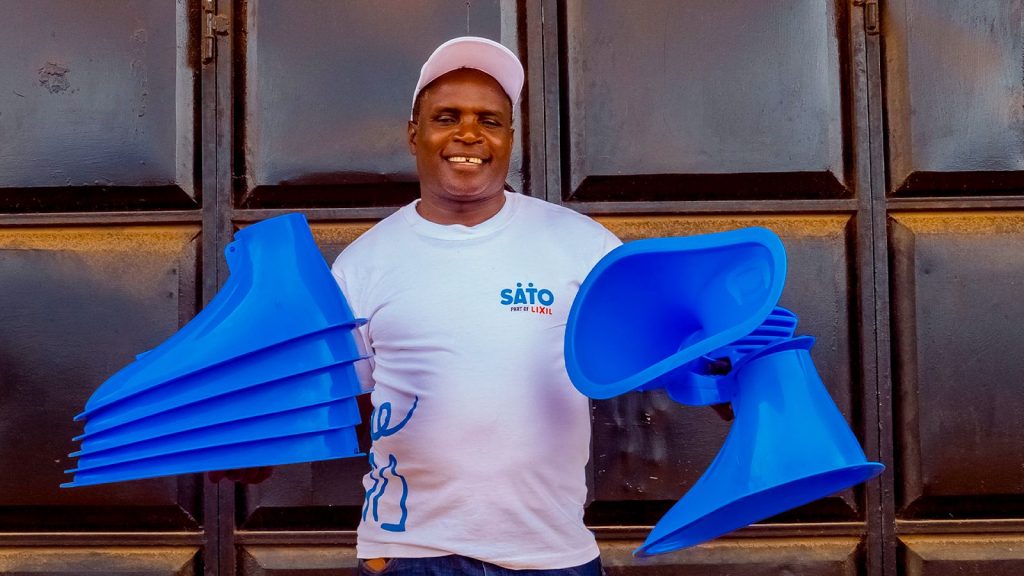
Since 2016, SATO, an innovative, affordable, and durable sanitation solution designed by LIXIL Corporation, has shown that sanitation can scale when it is treated as a market.
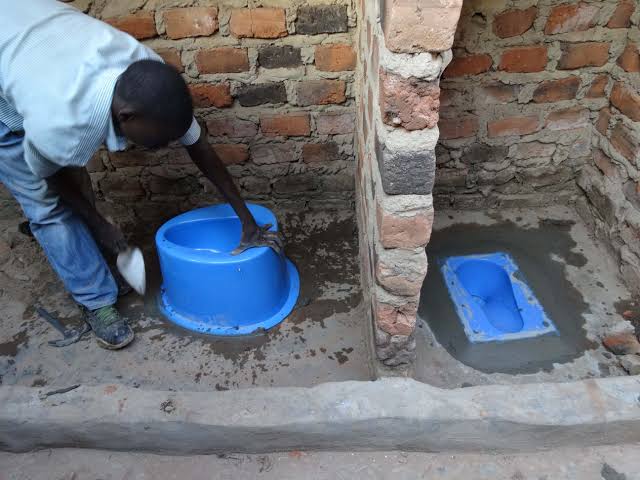
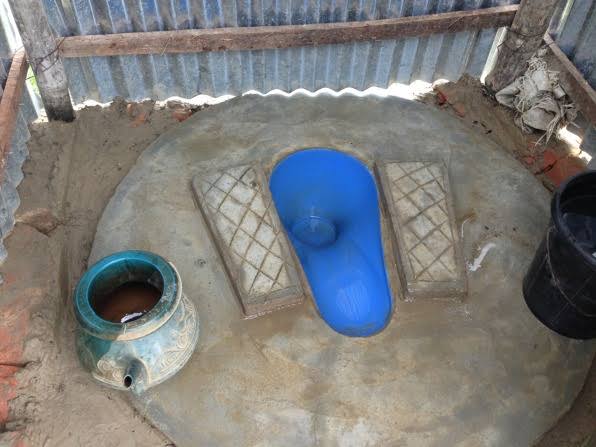
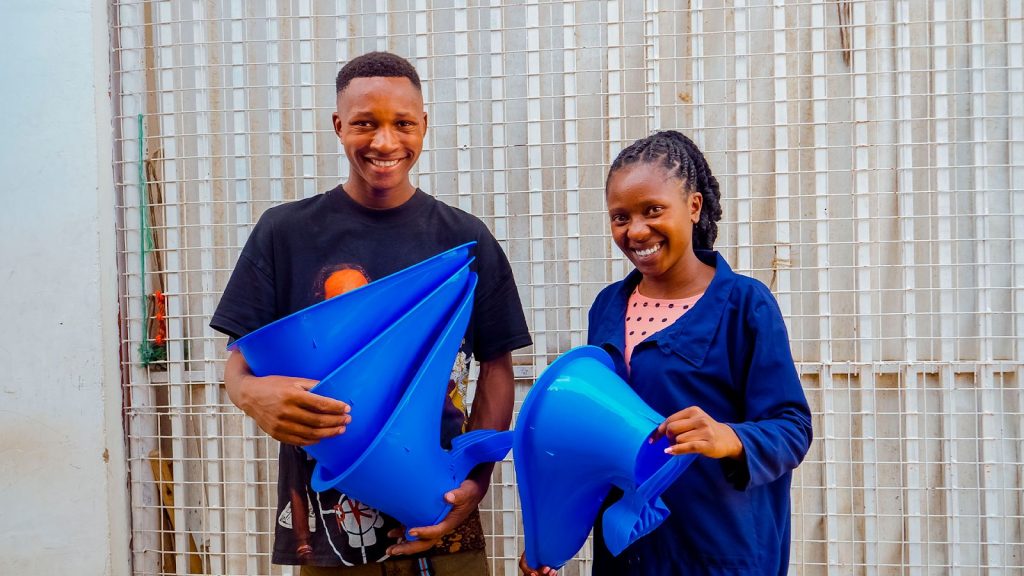
Designed to upgrade traditional pit latrines, SATO’s self-sealing trapdoor technology transforms basic toilets into hygienic, odorless, and safer facilities.
The system uses up to 80 percent less water than conventional toilets, while significantly reducing smell and preventing the spread of insects, persistent vectors of disease in many low-resource settings.
Over the years, the groundbreaking technology has reached 103 million people globally, shipping more than 10 million units across 59 countries, primarily in sub-Saharan Africa and Asia.
But the significance is not just in numbers, it is in what those numbers represent: systems that communities can sustain.
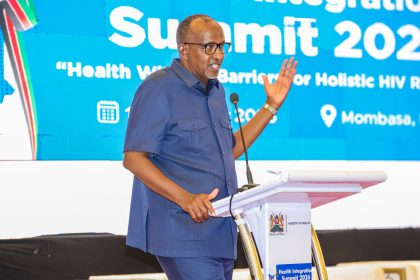
“Reaching 103 million lives globally is a monumental step toward dignity and health for all, with Africa at the heart. This milestone reflects the dedication of our teams and partners in delivering sustainable sanitation solutions. It’s a powerful reminder that every person deserves safe sanitation, and we’re just getting started,” says Samuel Langat, SATO’s Africa leader.
This transformation is most visible in the lives it touches. The School Toilet Enhancement Programme (STEP) has upgraded facilities in over 110 schools, improving sanitation for more than 60,000 students, where attendance has risen as children no longer fear illness or embarrassment.
In Matungu sub-county, sanitation improvements have impacted over 7,000 children creating safer spaces where learning flourishes uninterrupted, according to the Luena Foundation.
Beyond classrooms, the impact extends into healthcare facilities, where improved hygiene reduces infection risks, and into refugee settlements such as Kakuma and Kalobeyei, where access to safe, private sanitation restores a measure of dignity often lost in displacement.
These outcomes are not the result of charity. They are the result of durable systems. Local manufacturing ensures SATO products like pans, stools, and taps remain affordable and suited to Kenyan conditions.
Distribution networks, stretching from urban hardware outlets to remote areas accessible only by motorbike, ensure availability. Strategic partnerships with UNICEF Kenya, the Ministry of Health, World Vision Kenya, and Peace Winds Japan integrate policy, logistics, and community engagement.
Equally critical is the human infrastructure. Community health workers and trained masons, many of them women, install the systems, creating local employment while embedding sanitation into everyday life. This decentralised approach shifts communities from passive recipients to active participants.
“SATO has given the country safe toilets for entire communities where children and women are not exposed to illness or assault. Our innovative water-saving solutions alongside our team’s passion and determination have restored health and hope, living our purpose together through every installation,” says Alex Njagi, SATO’s Kenya leader.
Evidence from the World Health Organisation (WHO) shows that improved water, sanitation, and hygiene can highly reduce diarrhoeal disease, underscoring the rapid health gains possible with sustained investment.
Local entrepreneurs thrive, jobs are created, and communities shift from dependency to ownership. Families spend less time and money managing preventable illness, redirecting those resources toward education and livelihoods. Communities, in turn, transition from dependency to ownership.
The lesson is clear; governments and NGOs remain vital, but their impact multiplies when aligned with scalable, market-driven systems. When sanitation is treated as an ecosystem, supported by local production, distribution, and maintenance, it ceases to be an external intervention and becomes embedded within the community fabric.
Kenya’s experience proves that dignity cannot be delivered temporarily. It must be built into systems that endure. Market-driven, partnership-led approaches accelerate progress toward global sanitation goals like SDG 6.2, ensuring safe sanitation becomes a foundation for health, opportunity, and dignity for every citizen.