
Kenya is making a bold and strategic move to establish itself as Africa’s premier hub for Artificial Intelligence (AI) investment.
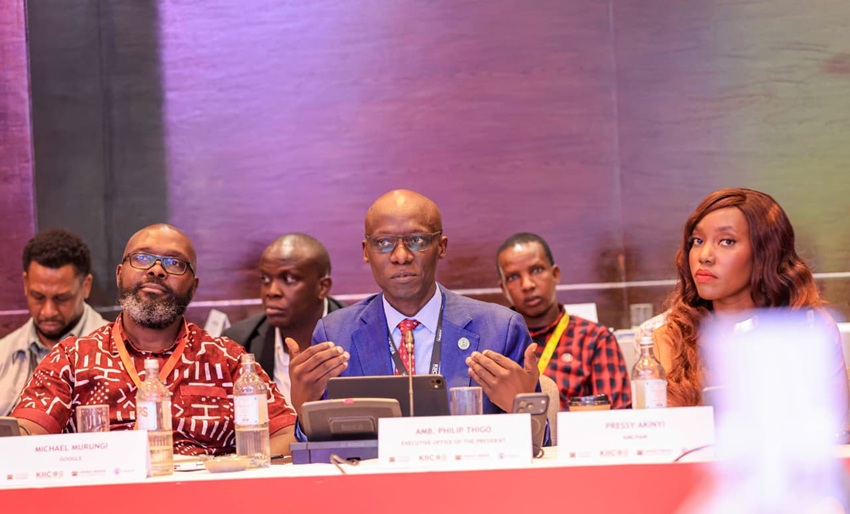
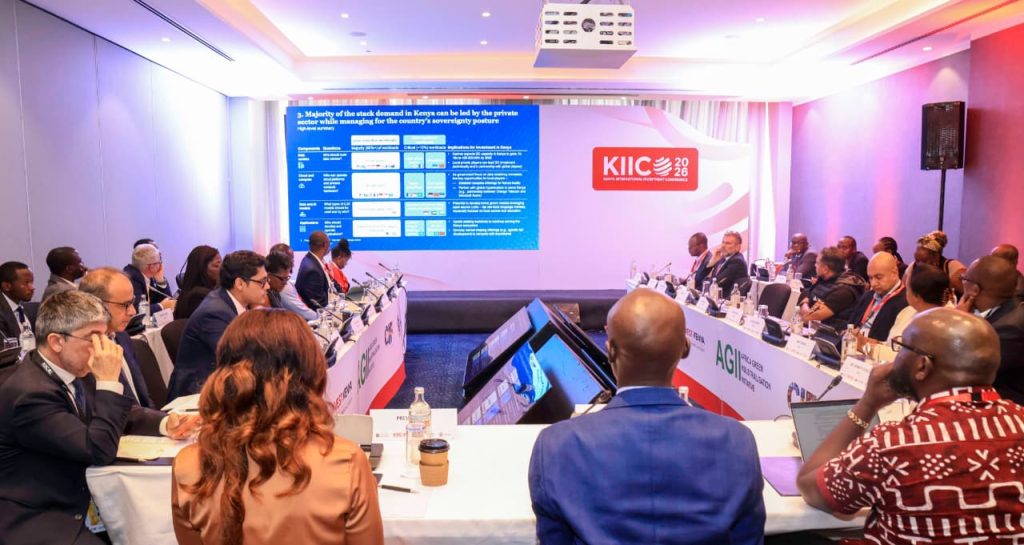
At a high-level roundtable held during Kenya International Investment Conference (KIICO) 2026 in Nairobi, government officials, investors, and ecosystem leaders convened to chart a practical, full-stack approach to AI development that spans energy and compute infrastructure, data systems, research, applications, governance, and talent cultivation.
The event, organized by the Office of the Special Envoy on Technology and KenInvest in collaboration with the American Chamber of Commerce, demonstrated Kenya’s growing determination to capitalize on its unique strengths and position itself at the forefront of Africa’s AI economy.
What separates Kenya’s proposition from other markets is its unparalleled energy advantage. The country’s electricity grid is overwhelmingly powered by renewable sources, offering a stable, clean, and reliable energy supply critical to powering the energy-intensive AI compute economy.
In contrast to other global AI hubs grappling with power shortages, Kenya’s green energy infrastructure is a compelling differentiator that transforms energy policy into a key economic and digital investment strategy. This is already attracting serious capital, with the region’s first hyperscaler deployment backed by $50 million in upfront risk funding and planned investments of between $250 million and $300 million earmarked for AI factories. Proposals to locate future data centers within Special Economic Zones, aligned with renewable energy planning, further underscore how Kenya intends to translate this energy edge into scalable, bankable AI infrastructure.
However, the roundtable made clear that infrastructure alone won’t cement Kenya’s leadership. A recurring theme was the need for agile and smart regulatory frameworks that support innovation without suffocating it. Participants advocated for a nimble 90-day regulatory sandbox that would allow innovators to test new AI solutions under guardrails, enabling the government to learn in real time without imposing heavy-handed restrictions early in an evolving sector. Rather than creating new bureaucratic entities, existing regulatory bodies should be strengthened and upskilled to oversee AI development effectively. Such an approach is designed to reduce friction while maintaining oversight and building trust within the ecosystem.
Beyond infrastructure and regulation, Kenya’s vision for AI goes further. The roundtable highlighted a shift away from chasing fragile “unicorn” startups toward building resilient, locally grounded “camels”—technology ecosystems designed for durability and tailored to African realities. This means investing in sovereign data centers, developing localized AI models that accommodate local languages and bandwidth constraints, and creating interoperable digital public infrastructure—the so-called “Kenya Stack”—to support a robust and enduring AI ecosystem.
Talent development emerged as a core pillar of this vision. The discussion underscored the risks of overreliance on foreign experts and stressed the urgent need to build a strong pipeline of AI-ready Kenyans. To that end, proposals ranged from aligning university curricula with industry demands, increasing AI literacy among public servants, to creating pathways for the diaspora to contribute through fellowships, residency, and nomad visa programs. Kenya’s ambition clearly extends to attracting global AI talent, positioning the country not only to retain but also to magnetize world-class expertise.
Inclusivity was another critical focus. If AI remains an elite domain, Kenya risks missing a transformative developmental opportunity. Drawing inspiration from partnerships in India, participants suggested collaborations between telecom companies and AI firms to lower costs and democratize access, particularly targeting youth and emerging users across the country.
By broadening the user base, AI can drive inclusive growth rather than deepen digital divides. Equally important was the need to bridge the gap between research and commercialization. Kenya’s academic and research institutions produce innovative ideas but often struggle to translate them into market-ready solutions. Such demand-side market creation would not only accelerate adoption but also de-risk innovation, helping domestic startups scale while delivering public value.
The roundtable, held under the Chatham House Rule to encourage open dialogue, culminated in concrete outputs: an investment signals register, regulatory recommendations for government follow-up, and a public KIICO 2026 statement outlining a roadmap for AI investment. Identified next steps include mapping Kenya’s long-term compute needs, producing a future-of-jobs report specific to Kenya, formalizing diaspora engagement frameworks, and developing an investor’s guide to position Kenya prominently in the emerging “Age of Intelligence.”
In sum, Kenya’s approach to becoming Africa’s AI investment hub is comprehensive and rooted in its unique renewable energy advantage, pragmatic regulation, resilient ecosystem building, inclusive access, and aggressive talent development. As the global AI landscape faces energy constraints and regulatory uncertainties, Kenya is strategically poised to capture a growing share of the AI economy by turning its policy choices into commercial realities.
The coming three years will be decisive in shaping whether this vision becomes Africa’s defining AI success story. The eyes of the continent—and indeed the world—are now on Nairobi as Kenya embarks on this transformative journey.