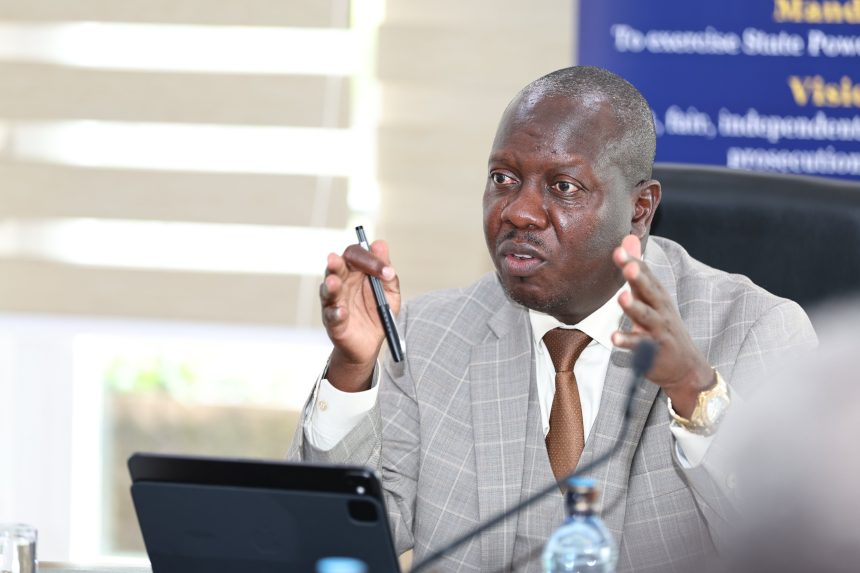
The Director of Public Prosecutions Renson Ingonga has reaffirmed his commitment to strengthening international cooperation in the fight against wildlife and environmental crimes following talks with a delegation from the United Nations Office on Drugs and Crime (UNODC).
During the meeting, the two institutions explored areas of collaboration aimed at enhancing prosecution and enforcement mechanisms against transnational wildlife crimes, which continue to threaten biodiversity, ecosystems, and regional security across Africa and beyond.

The discussions also focused on preparations for the upcoming 10th Meeting of the Wildlife Inter-Regional Enforcement (WIRE) Forum, which will be held in Nairobi, Kenya.
The forum is expected to bring together more than 140 prosecutors and law enforcement officers from Africa, Europe, and Asia. Delegates will deliberate on strategies to strengthen judicial cooperation in combating wildlife crime, with Mutual Legal Assistance (MLA) expected to be a central theme of the discussions.
Speaking during the engagement, the DPP underscored the importance of international partnerships in dismantling sophisticated criminal networks involved in illegal wildlife trafficking.
“This engagement demonstrates our shared commitment to protecting wildlife and the environment through stronger legal frameworks, enhanced prosecution capacity, and cross-border cooperation,” the DPP said.
The delegation from UNODC commended Kenya’s continued leadership in addressing wildlife crime and emphasised the need for coordinated international responses to tackle increasingly organised environmental criminal activities.
“Wildlife crime is a transnational challenge that requires collective action among prosecutors, investigators, and judicial authorities across regions. The WIRE Forum provides a critical platform for strengthening those partnerships,” the UNODC team noted.
Kenya remains a strategic hub in global efforts against wildlife trafficking due to its rich biodiversity and position as a regional transit point. Authorities have in recent years intensified crackdowns on trafficking syndicates dealing in ivory, rhino horn, pangolin scales, and other protected wildlife products.