Over the past few years, Nairobi’s food scene has undergone a quiet transformation. From ramen bars and sushi spots to Thai curries and Korean-inspired meals, global flavours that were once considered niche are increasingly finding their way into Kenyan kitchens.
Social media food content, travel experiences, and growing access to international ingredients in local supermarkets have made home cooks more adventurous than ever before.

Today, many urban consumers are experimenting with restaurant-style meals from the comfort of their homes, often recreating dishes they first encountered while travelling or dining out.
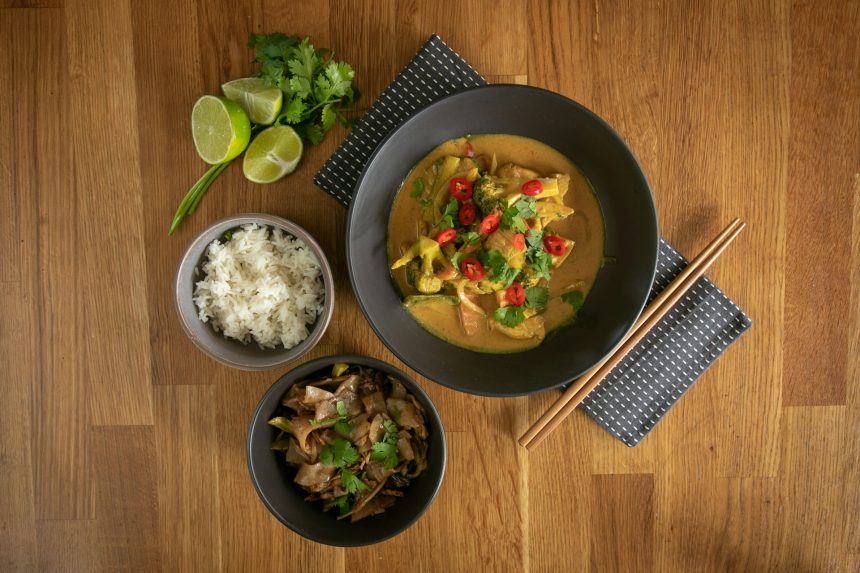
For Jim Tozer, Managing Director of Kenchic PLC, one dish that has remained a personal favourite over the years is Green Thai Chicken Curry, a recipe he first discovered while travelling through Thailand in his younger years.
“Thai cuisine has a very unique balance of flavours,” says Tozer. “There’s always a mix of spice, sweetness, freshness, and richness in one dish. That’s what made Green Thai Chicken Curry so memorable for me.”
His experience reflects a broader shift happening among Kenyan consumers, particularly younger professionals and families looking to diversify everyday meals without making cooking overly complicated.

The rise of ‘travel through food’
As international travel, digital content, and food delivery culture continue to influence eating habits, many Kenyans are increasingly exploring cuisines beyond traditional staples.
Asian-inspired flavours, in particular, have grown significantly in popularity, with dishes like stir-fries, ramen, sushi, butter chicken, and Thai curries becoming more common in restaurants, food festivals, and home kitchens.
What makes dishes like Green Thai Chicken Curry appealing is that they feel sophisticated while remaining relatively easy to prepare.
“It’s actually a very simple recipe once you understand the basics,” Tozer explains. “You don’t need complicated techniques. It’s more about allowing the ingredients to come together naturally.”
The dish combines coconut milk, curry paste, herbs, vegetables, and tender chicken into a rich yet balanced meal that can easily be adapted with locally available ingredients.
Chicken endures
However, as more consumers experiment with international recipes, chicken remains one of the most versatile proteins for home cooking.
From Kenyan stews and grilled dishes to Asian curries and Mediterranean recipes, chicken adapts easily across cuisines, making it accessible for households trying new flavours for the first time.
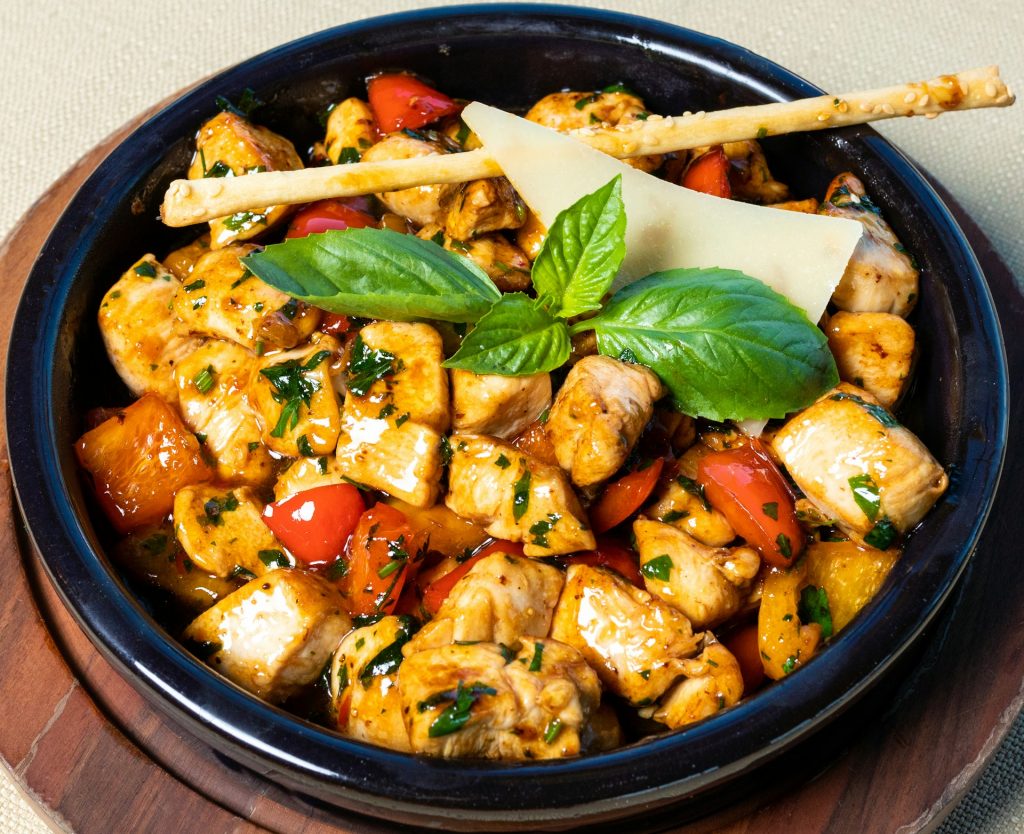
Tozer says boneless chicken thighs work particularly well for curries because of its tenderness and ability to absorb flavour.
“Chicken thigh stays tender during cooking and works very well with sauces and spices,” he says. “Even if you’re not an experienced cook, you can still achieve a very good result.”
This flexibility is part of the reason chicken remains a staple in many homes, especially as consumers look for meals that are both affordable and versatile.
The growing interest in global recipes also reflects changing attitudes toward home cooking itself. Rather than simply preparing routine meals, many consumers now see cooking as an experience, one influenced by TikTok recipes, travel memories, YouTube creators, and restaurant culture.
For families and young professionals alike, recreating international dishes at home has become a way to explore different cultures without leaving the country.
“Cooking at home allows people to experiment,” says Tozer. “You can try new flavours, make adjustments that work for you, and enjoy the process without pressure.”