
Kenya’s quest for water security will depend less on building new infrastructure and more on fixing governance systems that determine how water resources are managed, allocated and protected, stakeholders said during a high-level dialogue on Basin Water Resource Committees (BWRCs).
The message emerged strongly during the High-Level Roundtable Dialogue on BWRCs held as part of the closing activities of the Catchment to Tap (C2T) Programme, a five-year initiative supported by the Embassy of the Kingdom of the Netherlands and implemented by World Wide Fund for Nature-Kenya (WWF-Kenya) and partners.

The meeting brought together representatives from government, county administrations, academia, civil society, development partners and the private sector to discuss how Kenya can fully operationalise BWRCs, which are expected to become critical institutions for integrated water resources management.
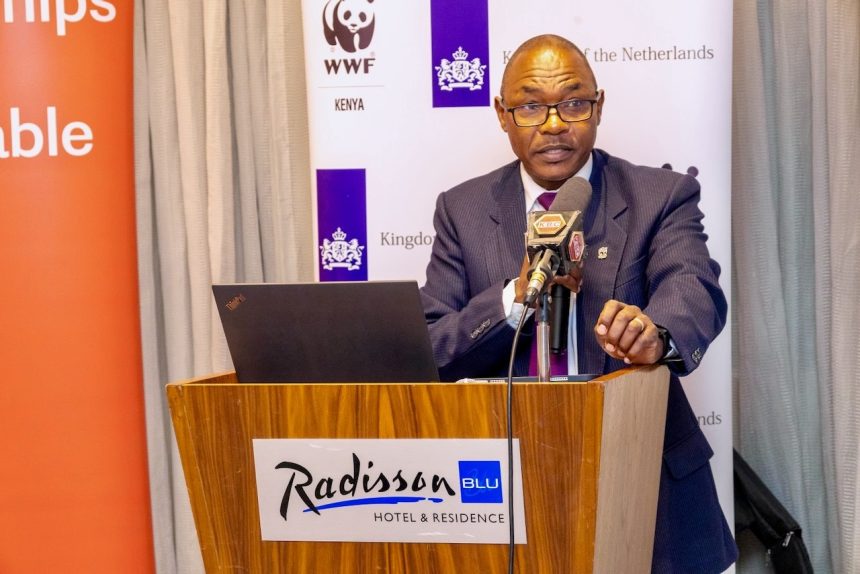
WWF-Kenya Chief Executive Officer Jackson Kiplagat said sustainable water management requires stronger cooperation among all actors involved in the sector.
“Water security remains central to Kenya’s sustainable development agenda,” said Kiplagat.
“The operationalisation of Basin Water Resource Committees is critical for strengthening integrated water resources management.”
Kiplagat noted that the Catchment to Tap Programme had helped strengthen water governance systems, improve water access, build the capacity of local institutions and advance discussions around the establishment of BWRCs.
The programme, implemented over five years with an investment exceeding Sh500 million, supported water infrastructure projects, citizen science initiatives for water quality monitoring, and the strengthening of Water Resource Users Associations (WRUAs).
Participants heard that while Kenya has made significant progress in water sector reforms through the Water Act 2016 and the Water Resources Regulations 2025, governance challenges continue to hinder effective management of water resources.
Water Resources Authority Chief Executive Officer Mohammed Shurie said legal and institutional conflicts had contributed to delays in operationalising BWRCs.
He explained that the committees had initially been assigned both advisory and implementation functions, creating governance overlaps that required legislative amendments.
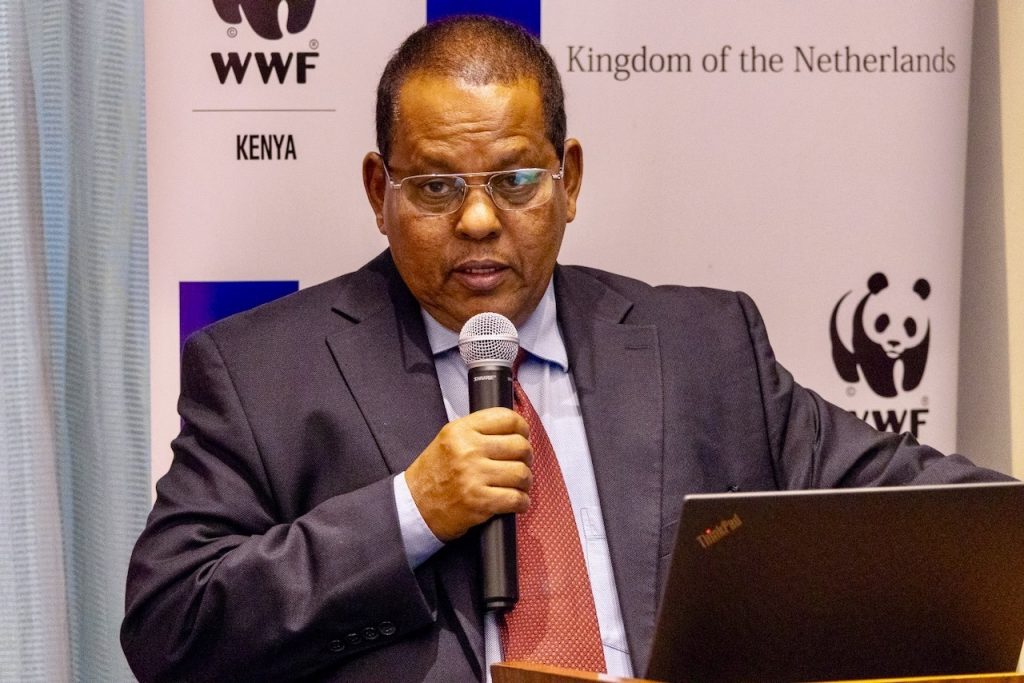
“The Ministry has already submitted amendments to Parliament and we are optimistic the process will soon be concluded,” said Shurie.
The dialogue also highlighted the need for stronger collaboration between national and county governments, greater stakeholder representation and enhanced public participation in basin-level decision-making.
Stakeholders noted that BWRCs are expected to play a central role in water allocation, conflict resolution, permit processes and equitable sharing of resources among users within river basins.
Ambassador Henk Jan Bakker of the Kingdom of the Netherlands said Kenya had already established a strong foundation for water governance and should now focus on implementation.
“Governance is critical. Integrated water resources management is essential. Collaboration between counties and stakeholders is indispensable,” said Bakker.
Among the key resolutions adopted were fast-tracking amendments to the Water Act, strengthening intergovernmental collaboration, mobilising sustainable financing mechanisms, supporting WRUAs and accelerating the operationalisation of BWRCs across all basins.
The dialogue concluded that effective governance institutions, rather than infrastructure investments alone, will determine whether Kenya achieves long-term water security, climate resilience and sustainable economic development.