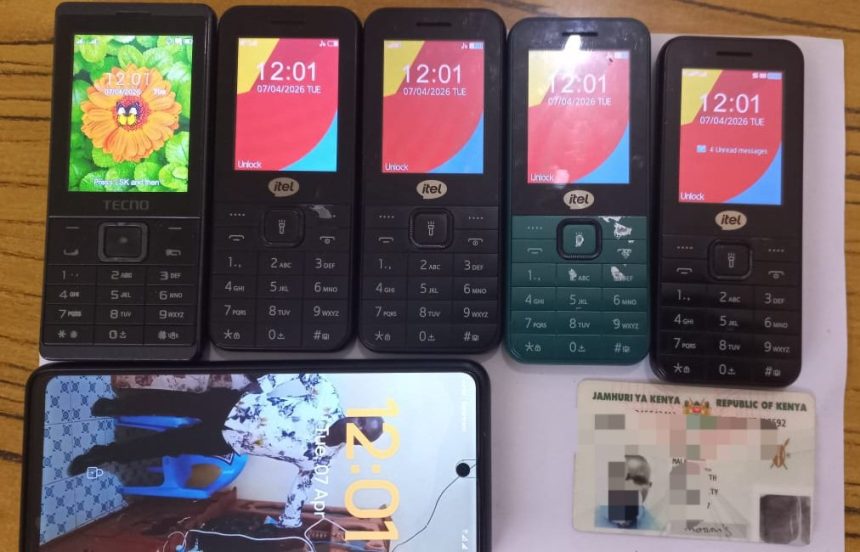
Kenya is among 11 countries that are likely to face out 2G and 3G internet connection by 2030 as part of GSM Association’s efforts speed up migration to superior broadband in Africa.
Through partnership with the Partnership for Digital Access in Africa (PDAA) GSMA unveiled the Advancing Digital Connectivity in Africa roadmap on the sidelines of the United Nations General Assembly (UNGA) which is expected to close internet usage gap that exists in Africa and connect one billion people in the continent by 2030.

“Africa has already built much of the network foundation for its digital future. The urgent task now is to close the usage gap by making smartphones and services affordable, equipping people with practical skills, building trust and ensuring connectivity delivers visible value in people’s daily lives,” said John Giusti, GSMA Chief Regulatory Officer and President of GSMA Foundation said:
According to the latest data by Kenya’s Communications Authority (CA), 2G and 3G mobile data subscriptions have continued to fall as more people seek faster broadband connection from 4G and 5G networks.
The data shows that 2G subscriptions have declined from 12.8 million last year to 9.3 million by June 2026 translating to a 27.3% decline.
During the period, the number of 3G subscriptions also fell by 39.2% year-on-year, from 7.4 million to 4.5 million.
On the other hand, 4G and 5G subscriptions have continued to gain subscribers. 4G subscriptions remain the most dominant mobile broadband after the number of subscriber grew from 37.2 million in 2025 to 48.3 million while 5G grew from 1.2 million to 2.1 million within the period.
The roadmap which targets Kenya, Uganda, the Democratic Republic of the Congo, Egypt, Ethiopia, Ghana, Niger, Nigeria, Rwanda, Senegal and South Africa is expected to help Africa close the internet usage gap estimated at 906 million people accounting for 60% of the population.
“The goal is ambitious, but it is achievable. If we bring together connectivity, electrification, affordable devices and digital skills – and if we match Africa’s many promising programmes with the power of genuine public-private partnership – we can ensure that the continent’s digital transformation leaves no community behind,” said Ellen Johnson Sirleaf, Co-Chair of PDAA.
Besides helping to accelerate migration to 4G/5G from 2G/3G, the roadmap also targets to integrate energy and connectivity in Africa to guarantee reliable power and enhance device use, and back sharing on infrastructure to reduce cost for consumers.
Within the East African Community, only Rwanda has launched a programme to face out 2G connection as the countries migrates to higher mobile broadband connection.