Kenya is strengthening pharmaceutical regulation, product traceability and supply-chain oversight to ensure patients have access to safe, effective and quality-assured medicines.
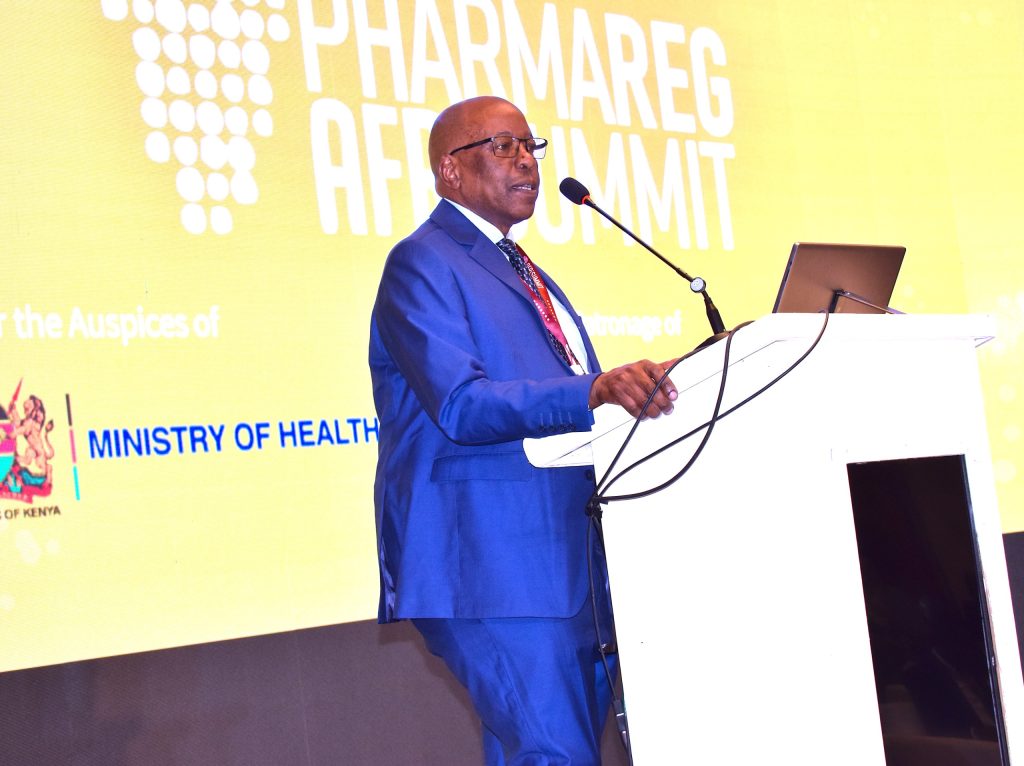
Pharmacy and Poisons Board Chairperson Dr. John Munyu said patients should receive medicines with confidence that they have been properly assessed, safely stored and supplied through legitimate channels.

Addressing the 6th PharmaReg & MedDevReg AfriSummit 2026 in Nairobi, whose opening was presided over by Cabinet Secretary for Health Aden Duale, Dr. Munyu said strong regulatory systems are essential to building and maintaining this trust.
Kenya has strengthened its laws, technical capacity, quality systems and regulatory processes, with increased focus on making regulatory decisions consistent, predictable and risk-based.
The country’s progress through the World Health Organization Global Benchmarking Tool has also helped sharpen the focus on how the regulatory system performs in practice.
The Pharmacy and Poisons Board has implemented the renewal of marketing authorisations to ensure health products remain under regulatory scrutiny beyond their initial approval.
It has also strengthened inspections of manufacturers, wholesalers and other premises to protect product quality throughout the supply chain.
Dr. Munyu said the Board is strengthening pharmacy practice standards and advancing product authentication and traceability.
These measures will enable regulators to track health products across the supply chain and respond quickly when safety or quality concerns are detected.
The Board is also expanding the use of regulatory reliance, allowing assessments and inspection outcomes from trusted regulatory authorities to provide evidence that informs national regulatory decisions.
“Our task now is to keep improving, to deliver efficient and transparent services, support those who comply with clear standards, and act firmly against substandard and falsified medical products,” Dr. Munyu said.
He called for stronger collaboration among African regulatory authorities, noting that regulatory maturity, reliance, local manufacturing, digital systems and supply-chain security cannot be addressed by one institution or country working alone.
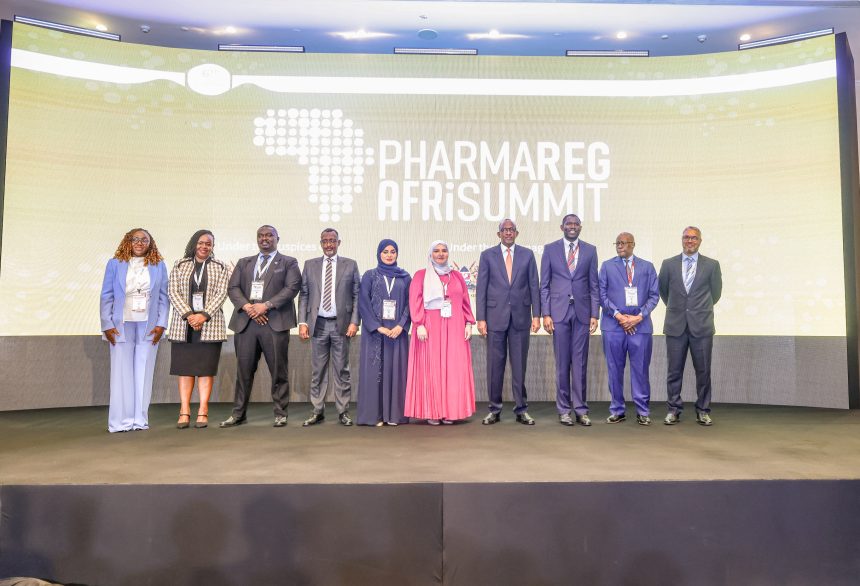
The Summit brings together national regulatory authorities, health leaders and other stakeholders from Africa and beyond to exchange knowledge and develop partnerships that support practical regulatory action.

The opening session was also attended by Principal Secretary for Medical Services Dr. Ouma Oluga, Pharmacy and Poisons Board Chief Executive Officer Dr. Ahmed Mohamed, heads of national regulatory authorities and delegates from across the continent.