The United Arab Emirates, through the UAE Aid Agency, has allocated Ksh 1.296 billion (US$10M) to support international efforts to curb the spread of Ebola in Africa and strengthen healthcare systems in areas affected by the outbreak.
The allocation, made at the directive of UAE President His Highness Sheikh Mohamed bin Zayed Al Nahyan, comes as African countries continue to strengthen preparedness and response measures against the spread of the Ebola outbreak, particularly in the Democratic Republic of the Congo.

The announcement was made during the UAE’s participation in an international meeting convened by the United States on the sidelines of the United Nations General Assembly to discuss the Ebola outbreak and ways to strengthen the international response.
For Kenya, the UAE’s latest contribution comes at a time when the country is reinforcing its own preparedness against potential cross-border transmission.
Kenya has recorded no confirmed case of Ebola, but the Government has strengthened surveillance, border preparedness, laboratory capacity and emergency response systems because of the continuing outbreak in the region.
Kenya’s position as a major regional transport and trade hub, with substantial movement of people and goods across its borders, makes regional cooperation and early preparedness an important part of protecting communities and maintaining essential health services.
At the Busia border, one of Kenya’s busiest land crossings, more than 3,000 people cross daily, alongside freight moving along the Northern Corridor towards Uganda, Rwanda, Burundi, South Sudan and the Democratic Republic of the Congo.
WHO has identified strengthened cross-border coordination and surveillance as important measures in limiting the regional spread of the disease.
Dr. Tareq Ahmed Al Ameri, Chairman of the UAE Aid Agency, affirmed that the UAE continues to play an active role in supporting joint international efforts to address crises, disasters and health challenges around the world.
This commitment, he said, stems from the UAE’s humanitarian mission and its global responsibility to protect communities from the risks of disease and epidemics, in coordination with governments, international organisations and relevant regional institutions.
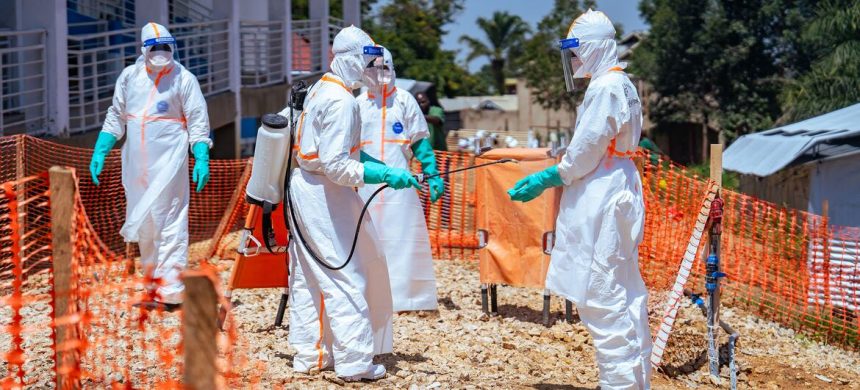
Dr. Al Ameri noted that, as part of its efforts to help contain the outbreak, the UAE has sent more than 150 tonnes of aid and supplies to affected areas.
These have included protective equipment, supplies and infection-control materials that have benefited around 280 health facilities, as well as shelter supplies and food for affected people.
He stressed the need for the international community to stand together, redouble its efforts and accelerate its response in these critical circumstances to limit the spread of the disease and its transmission between communities.
He also underscored the importance of supporting health systems and strengthening their capacity for prevention, early detection and effective response.
The UAE’s intervention adds to its wider humanitarian engagement in Africa and comes against the backdrop of its ongoing support to vulnerable communities in Kenya.
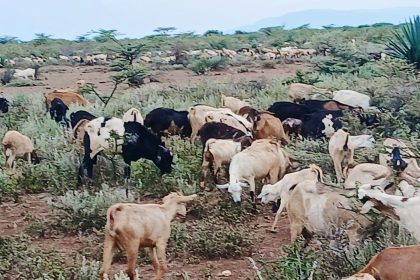
In February, the UAE delivered a 30-tonne consignment of humanitarian relief to drought-affected communities in northeastern Kenya, with the supplies received by Health Cabinet Secretary Aden Duale and distributed through the Kenya Red Cross Society.
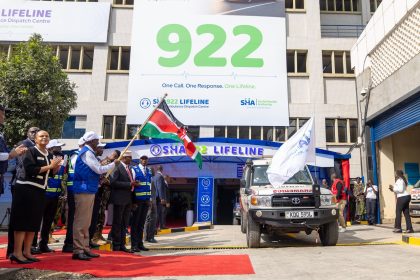
The latest UAE commitment also comes as Kenya continues to invest in public health emergency preparedness. The Ministry of Health has been working with development partners to strengthen surveillance, laboratory systems, infection prevention and control, risk communication, case management and cross-border coordination.
The Ministry has also been advancing plans for a modern 200-bed National Infectious Diseases Centre to integrate diagnosis, treatment, isolation, surveillance, research and training as part of efforts to strengthen Kenya’s capacity to respond to emerging public health threats.
The continuing Ebola situation demonstrates the importance of regional and international cooperation in building health systems that can detect threats early and respond before outbreaks spread across borders.
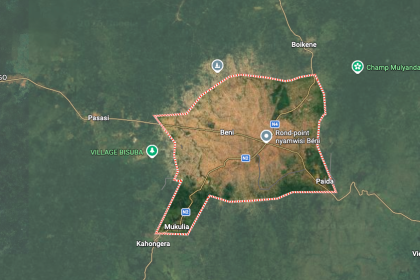
The UAE’s contribution comes as the international community intensifies efforts to contain the outbreak in the Democratic Republic of the Congo, where WHO reported continued geographical expansion as of 25 September.
For Kenya and its neighbours, the experience reinforces the value of investing in preparedness, surveillance and resilient healthcare systems while strengthening cooperation across borders.