The Kenya Forestry Research Institute (KEFRI) has stepped up efforts to promote commercial farming of Mpingo and sandalwood trees.
The institute says the initiative targeting farmers forms parts of its mission to conserve the endangered tree species while tapping into their high commercial value to boost household incomes and support economic growth.

The initiative seeks to encourage farmers to grow the two valuable tree species on their farms as an alternative to relying on trees growing naturally in the wild, which have faced increasing pressure from illegal harvesting, smuggling and unsustainable exploitation.
KEFRI forester Samora Salim said the institute was promoting the planting of Mpingo trees, which are highly valued for their use in making musical instruments and traditional cultural items, including *rungus* used by members of the Maa community.
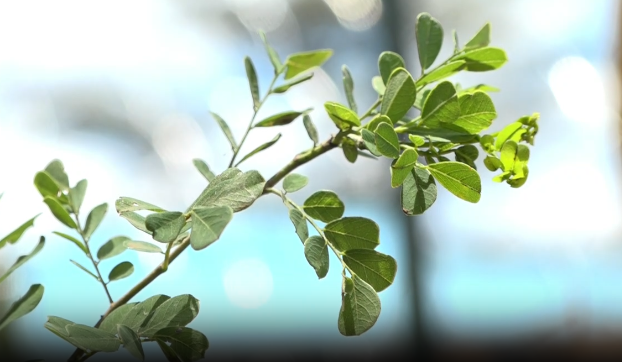
Mpingo, also known as African blackwood, is a valuable hardwood that has attracted considerable commercial interest because of its distinctive qualities and durability. Its wood is particularly sought after in the manufacture of high-quality musical instruments, especially woodwind instruments, while its cultural significance has also contributed to its demand in local communities.
Salim noted that the tree had faced the threat of near extinction in some areas due to pressure on its natural populations, prompting the institute to encourage its cultivation as a way of ensuring its continued availability for future generations.
He said promoting Mpingo farming would help conserve the species while creating an opportunity for farmers to benefit economically from growing a tree with a ready commercial appeal.
The initiative is also expected to reduce pressure on naturally growing Mpingo trees by encouraging a shift towards sustainable production through farm-based cultivation.
At the same time, KEFRI is promoting the cultivation of sandalwood, another commercially valuable tree species widely used in the perfume and fragrance industry.
Sandalwood whose market is estimated at Kh 25 billion is prized for its aromatic heartwood and essential oils, which are used in the production of perfumes and other fragrance products.
Its high market value has, however, made it a target of illegal harvesting and smuggling, threatening its natural populations.
According to Salim, the institute is working to encourage farmers to plant sandalwood on their farms rather than depend on trees growing in the wild.
The approach is intended to establish a more sustainable supply of the valuable tree while providing farmers with an additional source of income. By expanding cultivation, KEFRI hopes to promote responsible production and reduce incentives for illegal harvesting.
The promotion of the two tree species forms part of broader efforts to link forest conservation with economic opportunities, demonstrating how valuable indigenous trees can contribute to livelihoods when managed sustainably.
KEFRI Director Simon Choge said the trees had significant commercial potential and urged farmers to take advantage of the opportunities presented by their cultivation.
Choge observed that a single mature Mpingo tree could retail for about Ksh 10,000, highlighting the potential returns farmers could earn from investing in the species.
He particularly encouraged farmers in the lowland areas of Baringo County and the Kerio Valley, where Mpingo grows well, to consider incorporating the tree into their farming systems.
The regions offer an opportunity for farmers to explore the cultivation of commercially valuable tree species suited to their local growing conditions, potentially diversifying their sources of income beyond conventional agricultural activities.
Choge said farmers could benefit from the economic value of Mpingo by adopting its cultivation while contributing to efforts aimed at conserving the species.
The potential earnings from mature trees could make Mpingo an attractive long-term investment for farmers willing to commit land and time to tree growing. However, the returns would depend on factors such as the growth period, quality of the wood, prevailing market prices and access to legitimate buyers.
The promotion of sandalwood is similarly expected to create opportunities for farmers to participate in a high-value market while supporting the conservation of a species that has suffered from illegal exploitation.
Through the initiative, KEFRI is encouraging a shift towards the deliberate cultivation of valuable tree species, with farmers playing a central role in both conservation and sustainable production.
The institute’s efforts could also contribute to the development of tree-based enterprises by creating opportunities along the value chain, including seedling production, tree establishment, management, harvesting and the marketing of legally sourced wood and other products.
KEFRI’s promotion of the two species highlights the potential of forestry as both a conservation strategy and an economic activity. By encouraging farmers to grow trees that are highly sought after in domestic and international markets, the institute aims to reduce pressure on wild populations while opening up new income-generating opportunities.