Kenya and the Republic of Korea are expanding their agricultural cooperation through a rice development initiative. The project aims to increase domestic production, improve access to certified seeds, and reduce Kenya’s reliance on rice imports.
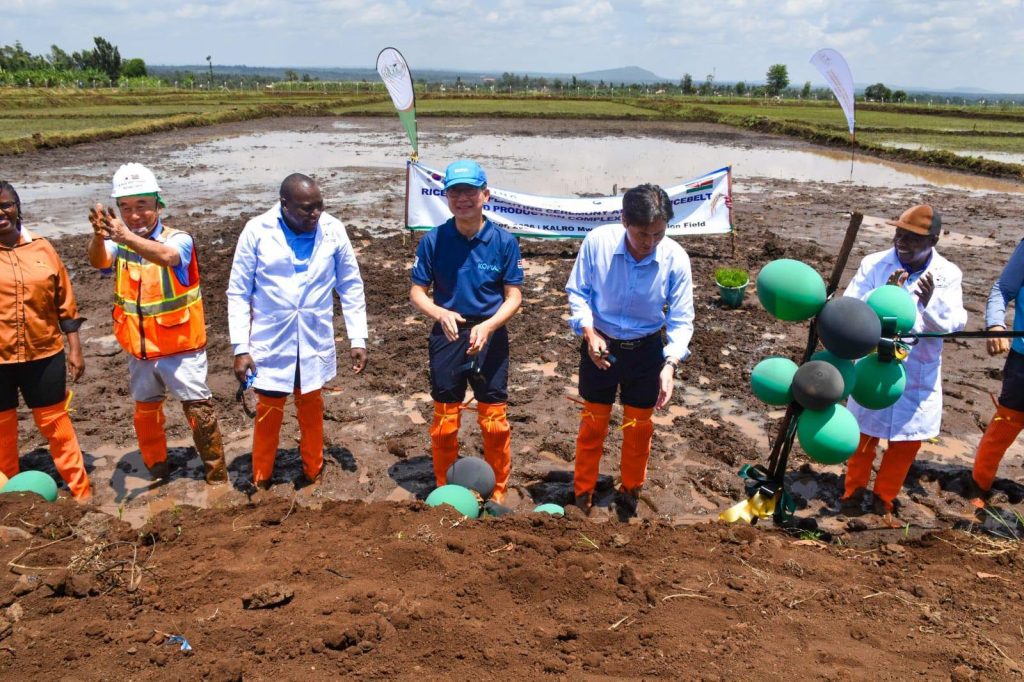
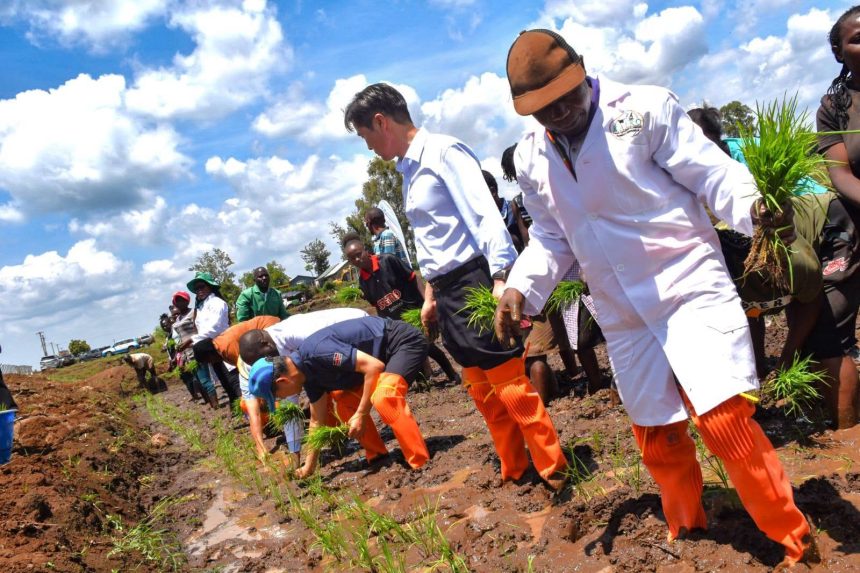
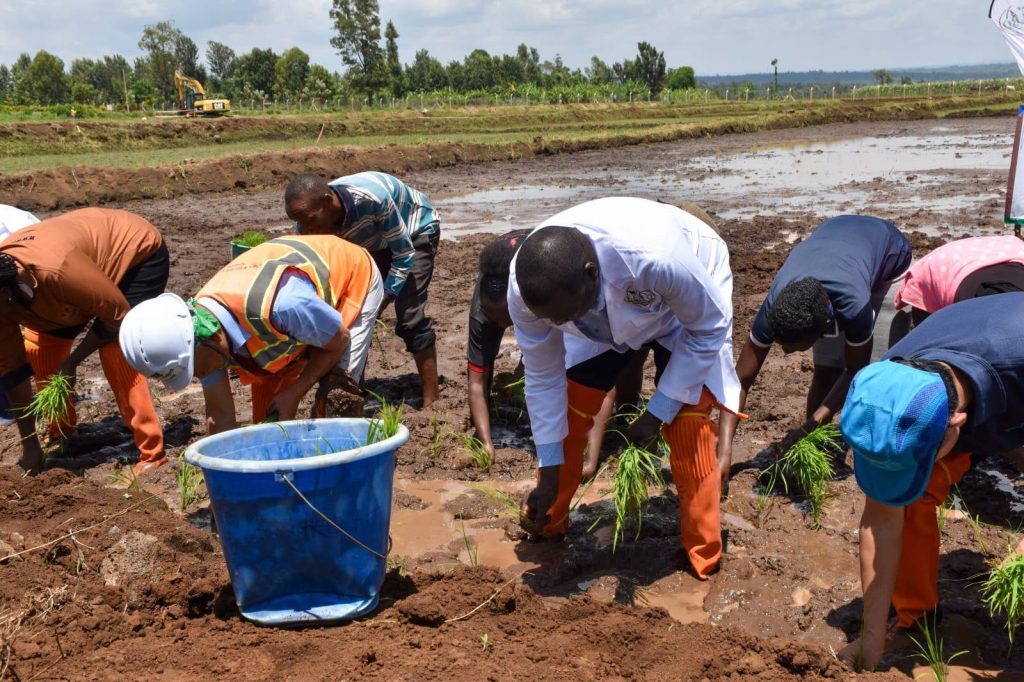
Implemented through the Kenya Agricultural and Livestock Research Organisation (KALRO) and the Korea Partnership for Innovation in Agriculture (KOPIA), the partnership has reached a key milestone with the first transplanting of rice seedlings for certified seed production taking place at Kirogo Research Farm in Mwea, Kirinyaga County.

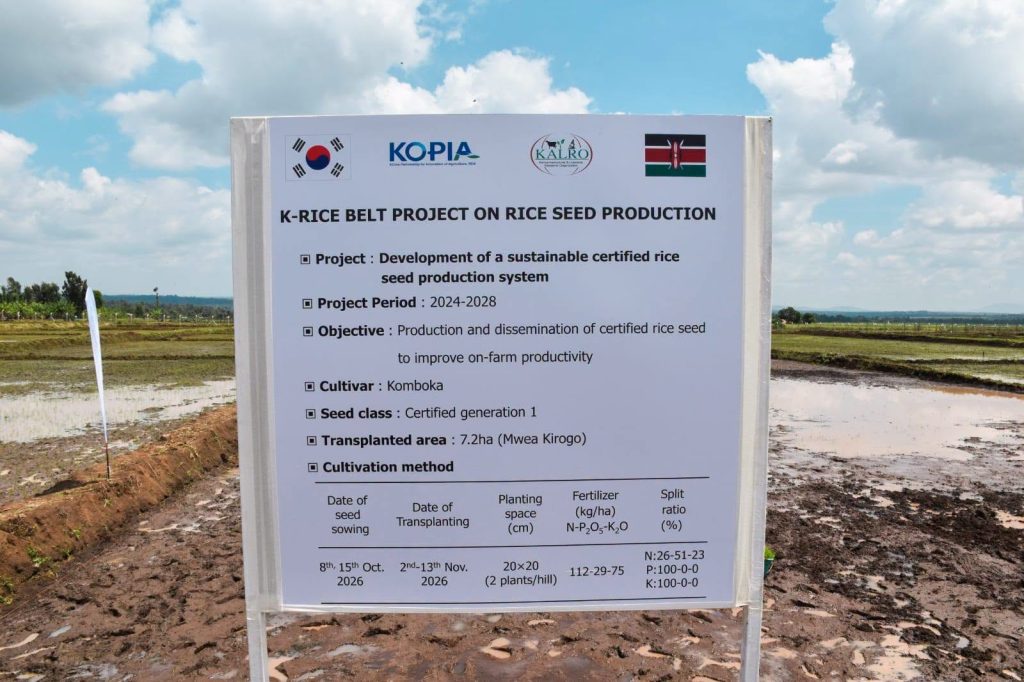
The exercise occurred on the first completed 7.2-hectare section of the K-RiceBelt Paddy Fields. It marks the beginning of production activities under a project that will develop a total of 65 hectares dedicated to certified rice seed production.
The initiative comes at a time when Kenya continues to face a substantial gap between domestic rice production and national consumption. Annual demand is estimated at 1.3 million metric tonnes, while local production stands at approximately 305,000 metric tonnes, meeting only about 23 per cent of the country’s requirements.
This shortfall has made Kenya heavily reliant on imported rice, exposing the domestic market to external supply pressures and hindering the growth of local production.
Speaking during the transplanting exercise, Dr Benjamin Kivuva, KALRO Director of Crop System Research, stated that the project would help address the shortage of certified rice seed, a major constraint for farmers.
He noted that increasing the availability of quality planting materials would improve farmers’ access to reliable seed, strengthen productivity, and support efforts to expand domestic rice production.
The Republic of Korea is supporting the initiative through KOPIA, focusing on improved seed production infrastructure, mechanised cultivation, and the introduction of appropriate agricultural technologies.
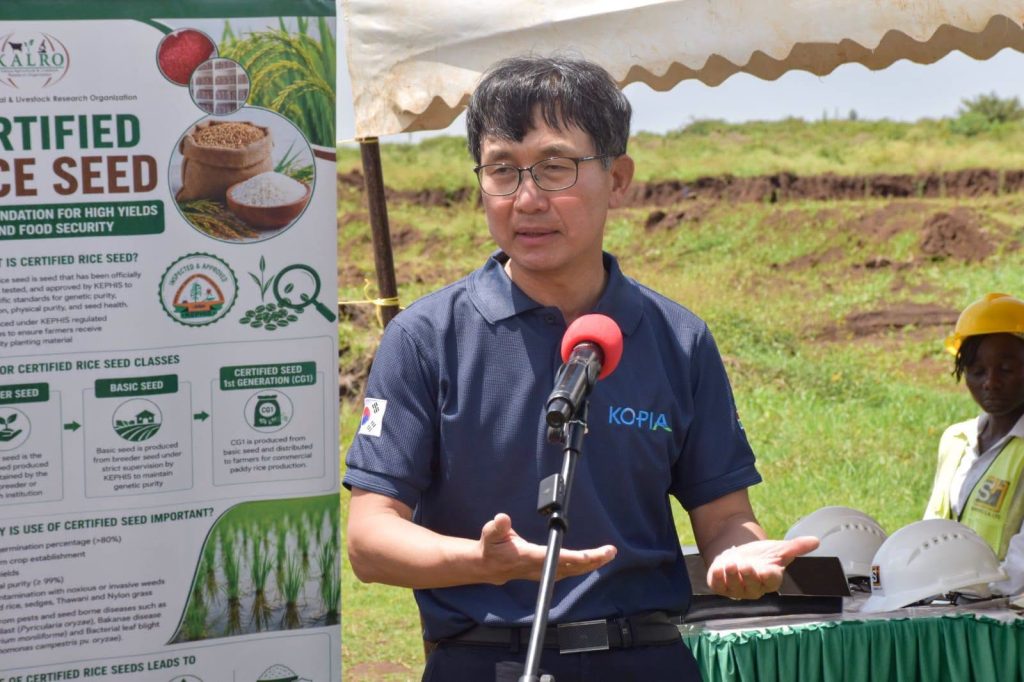
Jigang Kim, KOPIA Kenya Centre Director, reaffirmed South Korea’s commitment to supporting Kenya’s agricultural development. He noted that the project targets the production of 330 metric tonnes of certified rice seed in 2026.
The target represents an important step towards improving the supply of quality seed for farmers. The project is also expected to expand production capacity and facilitate the adoption of improved rice cultivation technologies in other parts of the country.
Beyond the initial 7.2 hectares, the development of the full 65-hectare paddy field is expected to provide dedicated capacity for certified seed production. The investment also includes improved infrastructure and technical capacity to strengthen Kenya’s rice seed production system.
The latest collaboration demonstrates South Korea’s contribution to Kenya’s agricultural modernisation through technology transfer, technical expertise, and investment in production systems. It also provides an opportunity for local agricultural researchers and farmers to benefit from improved cultivation practices and more efficient seed production methods.
The project aligns with the government’s ambition to achieve rice self-sufficiency by 2032. The K-RiceBelt initiative is therefore expected to contribute to a broader transformation of the rice sector by addressing some of the production constraints that have limited domestic output.