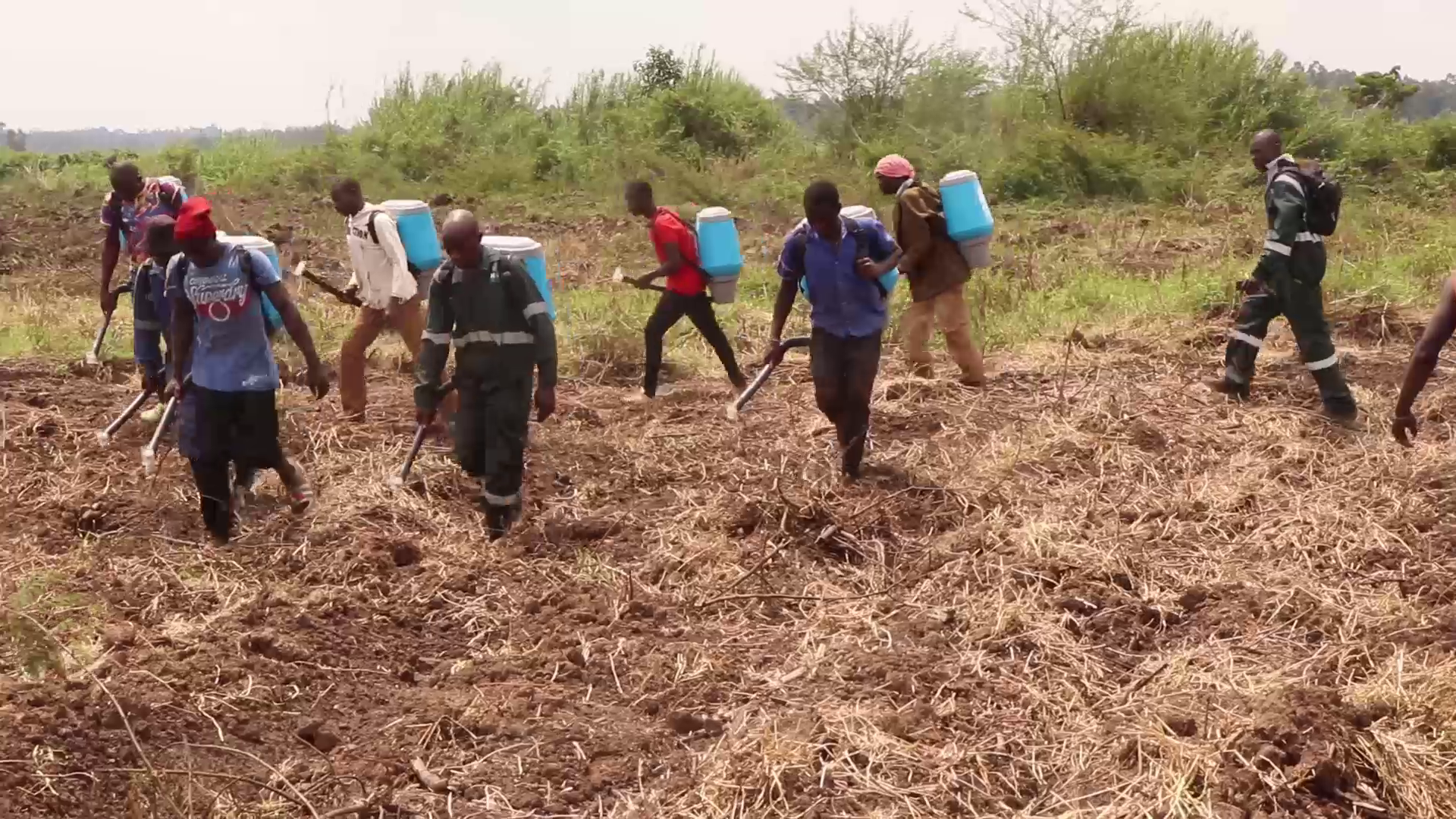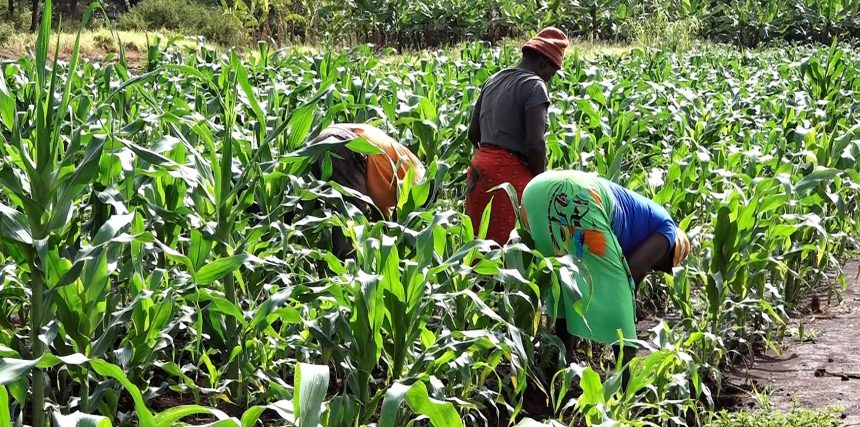
Policymakers in Kenya can now direct resources effectively to smallholder farmers across the country through satellite data tracking areas where climate risk are highest.
The Climate Vulnerability Assessment Tool (ClimVAT) by the Alliance for a Green Revolution in Africa (AGRA) targets to boost climate resilience among smallholder farmers who produce more than 70pc of the country’s food basket.

According to AGRA Head of Climate Adaptation and Resilience Dr. Kindie Tesfaye Fantaye, ClimVAT was developed following a comprehensive climate vulnerability assessment conducted by AGRA and its partners across Kenya.
“What ClimVAT offers Kenya is something we have never had before at this scale: a single, integrated platform that tells you not just where climate risk is highest, but why it is high whether it is driven by low rainfall, soil degradation, poor market access, or weak institutional support,” said Dr Fantaye.
The platform combines satellite-derived climate data, soil information, and socio-economic indicators to generate high-resolution spatial maps, detailed enough to distinguish climate risk profiles between sub-counties that sit within the same region but face profoundly different agricultural realities.
ClimVAT is also capable of tracking historical and projected trends in temperature, rainfall variability, drought frequency, and the occurrence of extreme weather events.
Additionally, the platform is able to measures agricultural sensitivity reevaling which crops, livestock systems, and farming communities are most at risk under different climate scenarios.
“For AGRA, this is about ensuring that every investment in Kenyan agriculture is grounded in the best available climate evidence, and that no vulnerable community is overlooked,” he added.
The platform is also able to analyze ways communities can mobilize financial resources, institutional support, infrastructure, and social capital when shocks strike.
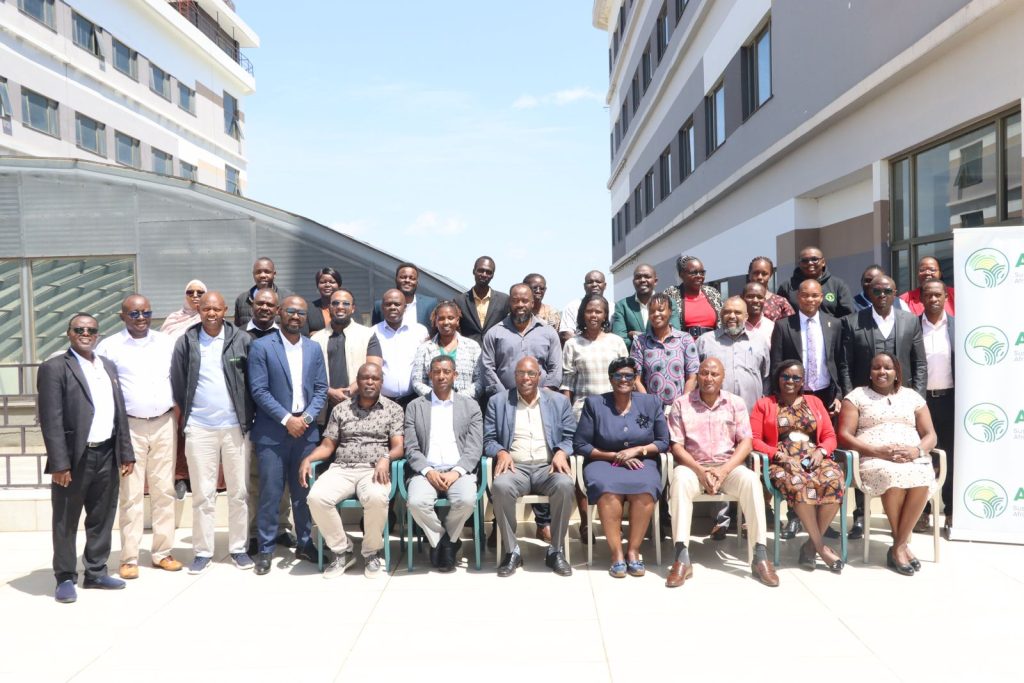
During a workshop held in Eldoret, stakeholders pursued means of how the platform can be embedded within Kenya’s policy architecture.
“Kenya has made ambitious commitments under its Nationally Determined Contributions and the Kenya Climate Smart Agriculture Strategy. But commitments only become results when backed by evidence and ClimVAT provides useful data towards thist,” said Patrick Kebaya, Climate Change Coordinator, Ministry of Agriculture, Livestock, Fisheries and Cooperatives.
Women who make up the majority of smallholder agricultural labour in Kenya will also have access to finance, extension services, inputs, and decision-making power which they currently lack.
“Kenya’s climate adaptation response has for too long been shaped by aggregated national data that masks the lived realities of specific communities. ClimVAT allows us to move from broad assumptions to precise, localised interventions,” said Edward Agaba, Country Programs Lead, AGRA Kenya.
The Kenya’s National workshop follows successful events in Ghana and Tanzania and is part of AGRA’s broader continental rollout, which will extend to Uganda, and Zambia.