Highlights from the Q&A session at Unseen Nairobi after the screening of Disco Afrika
On December 5th, Unseen Nairobi was abuzz as it hosted the Kenyan premiere of “Disco Afrika: A Malagasy Story”, a political film by Luck Razanajaona.
The screening marked a significant moment for art and activism, underscoring the power of storytelling in driving social change.
The evening took on an even deeper significance with a post-screening Q&A session with Luck Razanajaona and filmmaker Brian Obara, who in 2024 won the Documentary Short award at #CANEX for his groundbreaking documentary on Kenya’s June 25th finance bill protests.
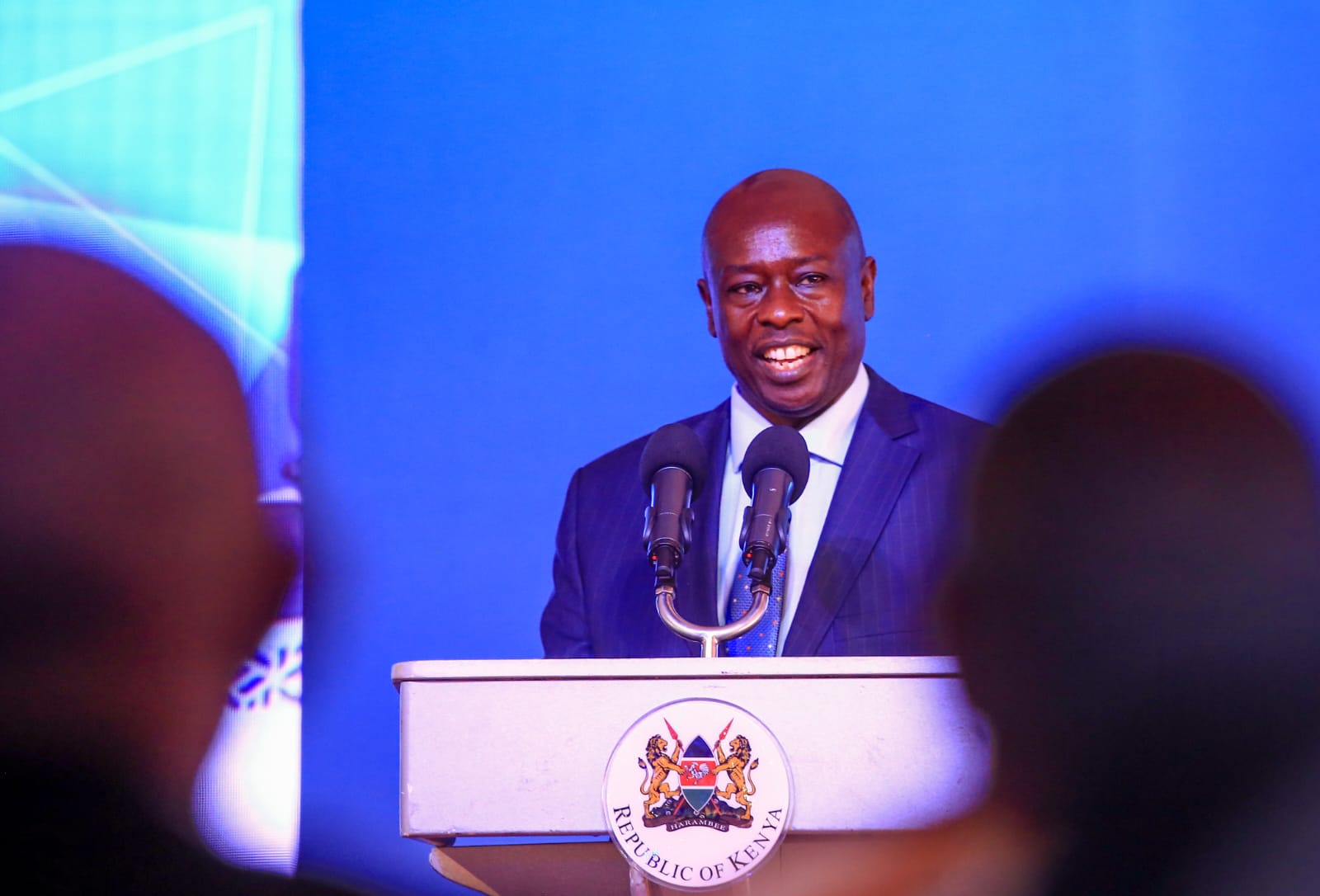
Moderated by the eloquent Abigail Arunga, a writer and activist with notable credits on shows like “Pepeta” and “Fourplay”, the session brought together creative minds passionate about using their craft to inspire activism and advocate for better governance.
The role of art in activism
Central to the discussion was the role of storytelling as a tool for activism.
Razanajaona and Obara shared insights into their creative processes, emphasising how narratives rooted in real-life struggles and emotions could evoke empathy and galvanise audiences into action.
“I think it’s very difficult to separate yourself from your art,” Mr Obara said. “It’s difficult to separate your emotion from the emotions you’re trying to pass to your audience through your art, from what you want people to understand.
Adding, “Because if you do not understand and feel it first, I don’t think you’ll be able to project the same.”
The ‘Disco Afrika’ filmmaker agreed, adding that he thought that incorporating emotions was important.
“The reason why I like making fiction is because every time, every story starts with my own story and my own experience,” Mr Razanajaona said. “I think about what effect I would like the film to have on the audience.
“For this film, I saw a lot of political crises in Madagascar that created issues for the young people and I wanted this film to have some special effect on the public.”
“Disco Afrika: A Malagasy Story”, which premiered previously at the Nairobi Film Festival, follows a 20-year-old Kwame as he struggles to make a living in the sapphire mines.
Once an unexpected event takes him back to his hometown, where he reunites with his mother and old friends, he finds himself confronted with the rampant corruption plaguing his country. This forces him to choose between easy money, loyalty, individualism and political awakening.
“Storytelling has to come from the truth of emotion,” Razanajaona noted. “It allows us to then effectively speak to our audience.”
Another point of discussion that arose from the session was the use of music as a tool to grab the audience’s attention and to convey emotions that films may not.
“I think with the art we make, we’re talking about passing emotions, we’re talking about passing a message. We’re talking about grabbing your audience by their necks, bringing them in, trying to look into their soul, trying to have them look into your souls. And I think the quickest medium for that is music,” said Mr Obara.
Adding, “Where words might fail, where words might not be enough, where time might not be enough, music would.”
The making of the film
In Mr Razanajaona’s case, while doing his research, he found that music and pan-africanism were intertwined, so he chose the music first before he wrote the script.
“After (Madagascar) gained independence, there were a lot of musicians who said, we have gained independence, but it’s fake independence. So, they used music as a weapon to spread the message across Africa,” he said.
“By the end of my research, I had a lot of tracks, and I thought, instead of doing a documentary, this can be fictional, so I could use the tracks I had found. By the time I had the final script, we had 12 tracks,” he continued.
This proved to be a challenge for him when he was trying to defend the number of songs in the movie to his producer, but not only did he manage to convince them but also cast a musician to play one of the characters.
“I told them you need to think about music as a character of the film. Papa who plays the father’s friend is a real musician in Madagascar. It was my intention with this film to pay tribute to such artists.”
Collaboration also emerged as a pivotal theme during the session, with the filmmakers stressing the importance of working alongside civil society organisations to amplify their message and ensure change is encouraged through policy change.
However, Mr Obara stressed the importance of working with people and organisations who share the same values.
“First, I think the essence of collaboration is that we have to have shared virtues. We have to have shared goals. We have to have shared ambition. And the impact we are looking at, it has to be shared in the first place.
“I think with that as a foundation, I could work with anyone in the world at that point. As long as we have that connection in terms of what we’re trying to do, if our virtues match, then it goes beyond finances, it goes beyond names and all of that. It’s the story at the end. The story has to win. The impact has to win at the end,” Mr Obara concluded.
The conversation also highlighted the broader implications of films like “Disco Afrika” in holding governments accountable.
Razanajaona pointed out how art can serve as a mirror, reflecting societal flaws and prompting introspection.
With Africa undergoing what many perceive as a collective conscience shift toward better leadership, films that challenge the status quo are more vital than ever.
About Disco Afrika
Filmed in Toamasina (Tamatave), Madagascar in 2023, ‘Disco Afrika: A Malagasy Story’ is the first feature film by director Luck Razanajaona, a former student of the Higher School of Visual Arts in Marrakech, Morocco.
‘Disco Afrika’ had its world premiere at the 2023 Marrakech International Film Festival (Morocco), and its international premiere at the 2024 Berlinale, where it won the AG Kino Special Mention.
It has since received the Spanish Cooperation Prize and the Best Actor Prize awarded to Parista Sambo at the Tarifa African Cinema Festival (FCAT) 2024 in Spain, as well as the Jury Prize at the Köln African Festival 2024 in Germany.
Represented internationally by pan-African sales and distribution company Sudu Connexion, ‘Disco Afrika’ will also be released in French-speaking Africa in March 2025, in France in April 2025 and in the United Kingdom in June 2025.