In January 2025, a short notice in the Kenya Gazette opened a new chapter in Kenyan livestock.
Gazette Notice No. 977, dated 31 January, declared the domesticated water buffalo (Bubalus bubalis) a food animal under the Meat Control Act. It was a small legal step with a large economic promise.

President William Ruto has since reinforced the idea, citing India’s dairy industry as a model and asking the Livestock PS to help source improved buffaloes and camels to expand milk production.
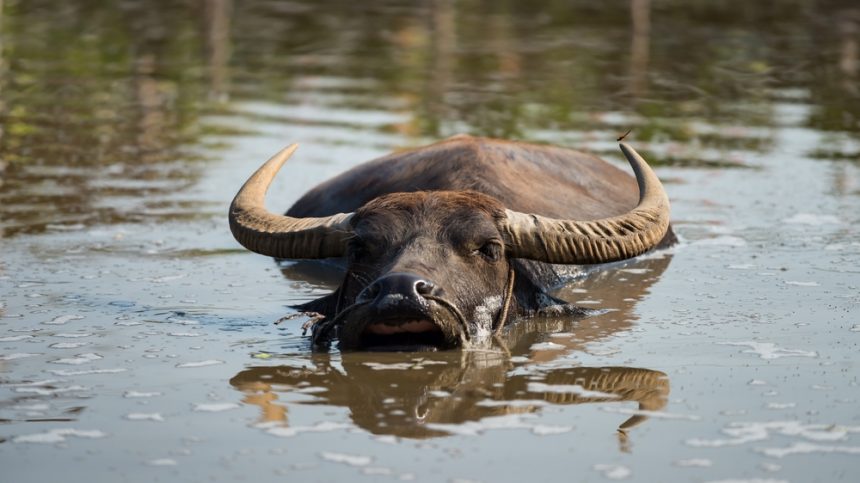
This is not the African buffalo of the safari circuit. That species is wild, classified as Near Threatened and protected under Kenyan conservation law. The water buffalo is a domesticated animal, bred for milk, meat and draught across India and Asia. Keeping that distinction crisp in law, in extension messaging and in enforcement is the first guardrail, because conservationists have warned that careless policy could encourage illegal hunting.
Kenya’s interest was inspired by the President’s December 2024 state visit to India, after which a Kenyan delegation spent two weeks studying domesticated water buffalo and reported that the meat is very lean. The reasons are plain. India’s milk revolution, built on cooperatives such as Amul, leans heavily on buffalo. India relies mainly on river breeds such as Murrah and Nili-Ravi, whose milk carries about twice the fat of cow’s milk, ideal for butter, ghee and cheese. Buffalo meat, known as carabeef, is also a major export earner for India. Hides and manure add further revenue.
The real prize lies beyond the animal. Raw milk is the bottom rung. Higher up sit pasteurised milk, yoghurt, ghee, paneer and the premium rung of buffalo mozzarella that hotels and restaurants prize. Meat can become sausages, burgers and ready-to-cook cuts. Hides feed tanneries; manure feeds biogas and organic fertiliser. Every rung creates jobs in collection, cooling, processing, packaging, transport and retail. Kenya’s task is to climb deliberately rather than remain a supplier of raw commodities.
Why now? Kenya produces roughly 5.4 billion litres of milk a year, yet demand for premium dairy keeps growing and processors still value high-solids milk. Buffalo will not replace the dairy cow; they will complement her, widening consumer choice and giving processors a richer raw material. A diversified herd also spreads risk when drought or disease hits one species.
This is where the idea meets the Bottom-Up Economic Transformation Agenda. BETA places agriculture at its centre, with dairy and leather among the value chains meant to lower the cost of food, create jobs and earn foreign exchange. A buffalo value chain speaks to at least three pillars. Agriculture gains a diversified livestock enterprise. The MSME economy gains cheese makers, ghee producers, butchers, tanners and transporters. The digital agenda can supply traceability, mobile payments and animal-health records. Most importantly, BETA’s bottom-up logic favours the smallholder and the women-and-youth enterprise, not only the large ranch.
Enthusiasm must meet evidence. Experts have flagged zoonotic disease risks, including anthrax, bovine tuberculosis and foot-and-mouth disease. Government would also need to establish import costs, expected yields and whether processors and farmers can build a viable market. A disciplined path would include:
- Biosecure sourcing. Begin with semen and embryos, then quarantined breeding stock, under veterinary protocols.
- Pilot hubs. Test a few hundred animals in suitable counties, tracking yields, costs and farmer income.
- Cooperative aggregation. Cooling plants and fair pricing so producers share the value.
- Local processing. Small plants meeting Kenya Dairy Board and KEBS standards.
- Inclusive finance. Credit, insurance and training for women and youth.
- Wildlife safeguards. Branding, tagging and inspection to separate domestic carabeef from bushmeat.
Research must run alongside delivery. KALRO, universities and veterinary institutions can adapt feeding, breeding and housing protocols to Kenyan conditions, while Indian dairy institutions share cooperative know-how. Consumers also need time: tasting events, clear labelling and food-safety assurance will build trust in a product many Kenyans have never tried.
Kenya has already shown it can mobilise smallholders around milk. The water buffalo invites a bolder question: where is our next margin hiding? If the Gazette notice was the legal opening, the real work is practical: sound science, honest pilots and cooperatives that keep value close to the farm. Done well, the buffalo could become one of BETA’s most distinctive, bottom-up success stories.
Dr. Yusuf Muchelule is a Senior Lecturer & a Consultant.