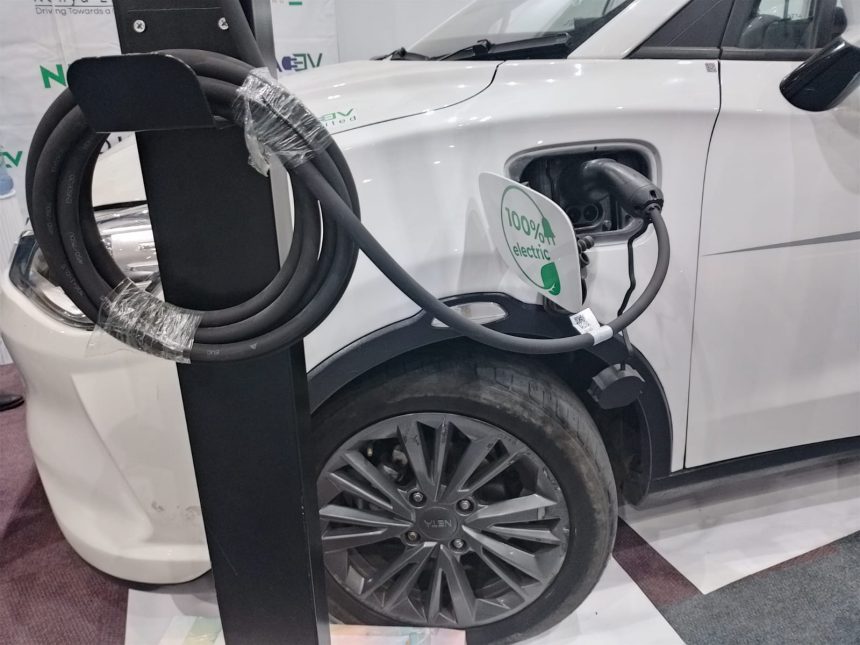
Kenya’s electric mobility sector registered a 179pc increase in power demand signaling steady rise in adoption of electric powered vehicles.
Official data shows that the electricity demand in the sector rose from 2.8 gigawatt-hour (GWh) in 2024 to stand at 7.8GWh last year owing to increasing use of electric powered personal cars, buses, three-wheelers and two-wheelers.

According to industry players, the shift to EVs from fossil fuel powered vehicles continues to be driven by the rising global fuel prices which have risen steadily in recent years triggered by Russia-Ukraine war and US/Israel-Iran war.
“Fuel is a main driver but also operation expenditure as well. It’s much easier, cheaper and most cost effective to manage EVs over time. Therefore running cost is a major issue,” Epure Motion Kenya, Dong Feng Kenya Chief Executive Officer Gilbert Saggia told KBC Digital and CMG.
According to the National Electric Mobility Policy, the sector is projected to register 47,860 EVs by 2030 to account for 8.8pc of total registered vehicles in Kenya.
The affordability of the EVs has also been backed as a catalyst for rising sales supported by China’s mass production capacity.
“China has completely changed the game as far as global EV is concerned,” said Saggia.
Kenya is increasingly focusing on expanding charging infrastructure to support expansion of the sector across the country and also contribute to the reduction of greenhouse emissions.
The government estimates that as of 2015, the transport sector accounted for 13pc percent of greenhouse gas (GHG) emissions, and could reach 17pc by 2030.
“After learning the benefits of electric from China where I had gone for benchmarking five years ago, that is when I started ordering for the electric buses,” said George Githinji, CEO OMA Bus Service.
In the coming financial year, the Electric Mobility Association of Kenya is proposing for retention of all existing incentives which have sustained sector growth and a further expansion of the incentives to three-wheelers, passenger cars and trucks.
“BasiGo’s mission is to create the future of clean electric public transport here in Africa,” noted Jit Bhattacharya CEO BasiGo.