The Chinese embassy in Kenya has affirmed Beijing’s commitment to supporting sustainable development projects in Africa and the entire Global South through the Global Development Fund (GDF), which has now been increased to USD 4 billion, with a focus on small-scale, high-impact projects that deliver quick and tangible benefits to people’s livelihoods.
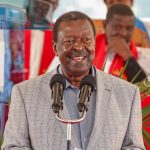
Speaking recently in Nairobi during a Global Development Initiative (GDI) seminar in Nairobi, Zhang Zhizhong, Deputy Head of Mission at the Embassy, stated that the fund, formally known as the Global Development and South-South Cooperation Fund (GDSSCF), has become a vital financing mechanism for translating development commitments into real outcomes.
The fund is primarily implemented through the China International Development Cooperation Agency (CIDCA), in collaboration with international organizations such as the United Nations, World Bank, and other specialized UN agencies.
Zhang explained that GDF-supported projects are deliberately designed to be modest in size yet impactful, typically ranging from USD 1 million to USD 5 million.
“These are not large infrastructure projects, but they are highly efficient and directly improve people’s livelihoods,” he said.
A defining feature of the fund, he noted, is its speed of implementation. Once approved by CIDCA, he disclosed that the humanitarian assistance projects are usually completed within six months to one year, while development projects are expected to conclude within two years, ensuring rapid delivery of results to beneficiary communities.
Zhang stated that the GDF aligns closely with the United Nations 2030 Agenda for Sustainable Development, with all 17 Sustainable Development Goals (SDGs) forming the core framework for project selection.
He confirmed that the fund supports a broad range of sectors, encompassing areas such as poverty reduction, food and energy security, public health, digital economy and connectivity, climate change adaptation, green development, and human resource development.
“Under the GDF framework, we have collaborated with over 20 international organisations, including UNDP, WFP, UNICEF, and WHO, implementing more than 190 projects in over 60 countries, benefiting more than 30 million people,” Zhang said, citing several concrete examples to illustrate the fund’s impact.
In Kenya, he indicated that the GDF provided two million pieces of epidemic prevention supplies to local communities during the COVID-19 pandemic, reinforcing health system resilience.
According to Zhang, the fund has supported cervical cancer screening and treatment programmes for women in Sierra Leone.
One of the most recent Africa-focused initiatives was launched in May this year in Sudan’s Red Sea State, where China, in partnership with the Food and Agriculture Organization (FAO), rolled out a poverty reduction and agricultural recovery project.
The initiative introduced China’s mature agricultural technology systems, supplying seeds, farming machinery, and fishing equipment to over 8,000 households affected by conflict. Combined with livestock disease prevention and watershed management, the project is expected to benefit more than 360,000 people, injecting fresh momentum into Sudan’s agricultural recovery.
Beyond the continent, he noted that the fund has provided food assistance to 45,000 Rohingya refugees in Bangladesh, while in Mongolia, GDF resources have been directed towards climate change adaptation projects.
Zhang also highlighted a new insulin injection programme for Palestinian refugees with diabetes, launched in October 2023 through cooperation between China and the United Nations Relief and Works Agency (UNRWA).
“The first batch of injectors has already reached the West Bank and will also help 43,000 Palestinian refugees with diabetes in the West Bank, Gaza, Jordan, Lebanon, and Syria. The third part of my presentation covers how to apply for the GDF,” he said.
Applying for the fund
Zhang explained that international organizations are currently the main applicants, although project proposals must be driven by the actual needs of beneficiary countries.
He stated that applications for the fund are submitted directly to CIDCA in Beijing, or in some cases through Chinese embassies in recipient countries.
“Proposals must include support letters from beneficiary countries to ensure that they meet the demands of the recipient countries. Meanwhile, within the written proposal, the objectives should be specific and achievable, the budget must be reasonable and logically clear, and the risks should be controllable,” he explained.
CIDCA conducts policy reviews, project assessments, and consultations with Chinese embassies before guiding applicants to refine proposals and finalise agreements. While the process can be completed in as little as two months, Zhang noted that timelines largely depend on proposal quality and coordination.
Acknowledging concerns about complex procedures, Zhang shared several tips from CIDCA to improve application success.
“Take the first step; even if procedures differ from other donors, focus on small, livelihood-focused projects with quick results. Avoid large infrastructure projects or those exceeding three years, maintain close communication with CIDCA during proposal preparation, ensure management costs do not exceed 8% of total project budgets, and submit full proposals directly, as concept papers are not required,” he advised.
“The second and third applications are always easier than the first,” Zhang said, encouraging organizations to engage proactively.
While many projects are implemented through international organizations, the Deputy Head of Mission stressed that the GDF remains a flexible platform for trilateral cooperation, complementing China’s broader bilateral assistance programmes with Global South countries.
“At its core, the driving force of the GDF is the real development needs of people,” he said, adding that the fund will continue to prioritize practical solutions, inclusiveness, and tangible outcomes under the Global Development Initiative.