Across East Africa, insurance remains one of the most misunderstood financial tools despite its growing importance in everyday life and business. Insurance penetration across the region remains low roughly 2.4% of GDP in Kenya, about 2.1% in Tanzania, and under 1% in Uganda underscoring both the scale of under protection and the opportunity for growth.
For many people, insurance is something considered only after a crisis unfolds after a hospital admission, a vehicle accident, a fire, or an unexpected business disruption. That reactive mindset is understandable, but it reflects a broader challenge facing our region: insurance is still widely viewed as complicated, costly, or inaccessible.

Yet, the environment in which we live and work is changing rapidly. Healthcare costs are rising. Businesses face increasingly complex risks. Families are navigating economic uncertainty alongside growing expectations for quality medical care, education, and financial stability. In this environment, insurance should no longer be viewed as optional.
At its core, insurance is simple. It is a structured way of managing uncertainty. By pooling risk, individuals and organisations create a financial safety net that allows them to absorb shocks that would otherwise be devastating.
Still, basic concepts remain unfamiliar to many consumers. Terms such as premiums, deductibles, exclusions, and coverage limits can feel technical or intimidating. That knowledge gap matters because informed consumers make better decisions about protecting their health, livelihoods, and enterprises.
Health insurance illustrates this shift particularly well. In Kenya, Uganda, and Tanzania, we are witnessing growing demand for healthcare solutions that go beyond traditional reimbursement models. Patients increasingly want faster access to specialists, stronger provider networks, preventive care options, and confidence that they can receive quality treatment when they need it.
In Kenya, this has contributed to increased interest in International Private Medical Insurance (IPMI), especially among multinational companies, internationally mobile professionals, and families seeking broader healthcare access. The appeal is not simply international treatment, but flexibility, continuity, and access to trusted systems of care.
Meanwhile, Uganda and Tanzania continue to demonstrate the importance of locally responsive medical insurance models. Medical Insurance Companies and regional healthcare financing mechanisms remain essential in developing solutions aligned with local realities, affordability considerations, and employer needs.
But healthcare is only one part of the story. Insurance is equally important for business resilience. Small and medium enterprises (SMEs) form the backbone of East African economies, yet many operate with little protection against unexpected setbacks. A shopkeeper who loses stock to a fire, for example, may have no financial cushion to restock, reopen, or continue paying employees. When shocks like these occur, the consequences often ripple beyond one business to families, suppliers, and communities.
Insurance cannot eliminate risk. It can, however, make risk manageable. One of the persistent barriers to wider adoption across our markets remains perception. Too often, insurance is framed as a reluctant expense rather than a strategic planning tool. This is where the entire industry insurers, intermediaries, regulators, employers, and advisors alike carries responsibility.
We must invest more deliberately in education, transparency, and product simplicity. Consumers should not need specialist knowledge to understand what they are buying. Trust grows when products are clear, claims processes are efficient, and providers communicate honestly about both benefits and limitations.
Technology will also shape the next chapter of insurance growth in East Africa. Digital onboarding, mobile payments, telemedicine integration, and data-enabled services are already expanding access and convenience. These developments create opportunities to reach populations historically underserved by traditional insurance models.
But technology alone is not enough. The broader shift required is cultural. We need to move away from thinking about insurance as a purchase driven by fear and toward seeing it as a tool for resilience, preparedness, and long-term planning.
As East Africa’s economies expand and healthcare systems evolve, insurance will play an increasingly central role in protecting individuals, families, and businesses from financial vulnerability.
The question is no longer whether risk exists. It is whether we are prepared for it.
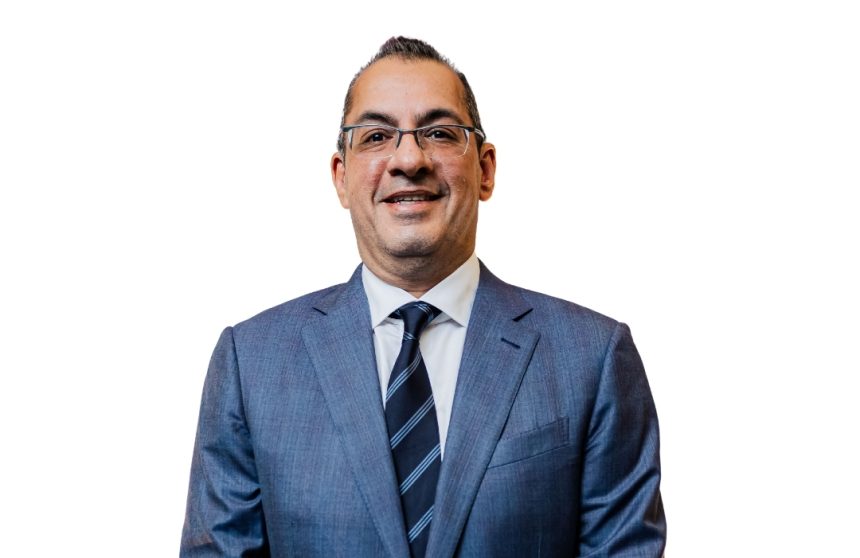
Article by Aly S. Maherali, Chief Executive Officer, Executive Healthcare Solutions (EHS)
Disclaimer! Views published in this article do not represent the position of the Kenya Broadcasting Corporation