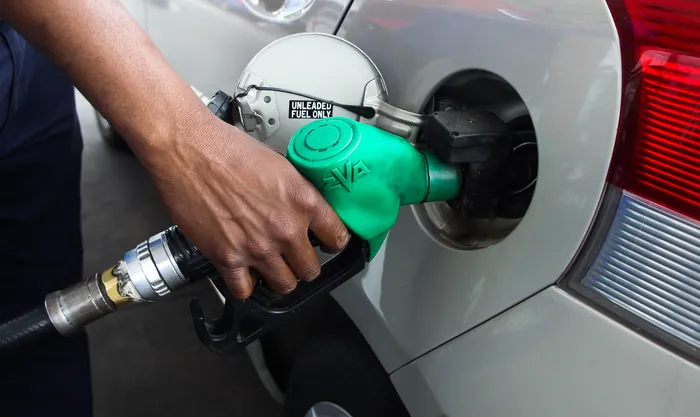
The Energy and Petroleum Regulatory Authority (EPRA) has announced a reduction in petroleum product prices across the country, effective from February 15 to March 14, 2026. In the latest review, the maximum retail prices per litre have dropped by KSh 4.24 for Super Petrol, KSh 3.93 for Diesel, and KSh 1.00 for Kerosene.
Since January 14, fuel prices have been KSh 182.52 for Super Petrol, KSh 170.47 for Diesel, and KSh 153.78 for Kerosene.
“In Nairobi, Super Petrol, Diesel and Kerosene now retail at Kshs.178.28, Kshs.166.54 and Kshs.152.78 effective midnight for the next 30 days,” EPRA stated.
EPRA explained that this reduction is due to a decline in the average landed cost of imported petroleum products in January 2026. Specifically, Super Petrol decreased by 2.69% to US$576.34 per cubic metre, Diesel fell by 6.37% to US$586.80 per cubic metre, and Kerosene dropped by 1.44% to US$598.82 per cubic metre.
EPRA Director General Daniel Kiptoo Bargoria emphasized that the pricing regulations are designed to cap retail prices for imported products, ensuring cost recovery while keeping prices fair for consumers.
Deputy President Kithure Kindiki welcomed the adjustments, saying they reflect a stabilizing economy and provide necessary relief for households.
“The price has dropped gradually from a high of KSh 218 to the current KSh 178, a net difference of KSh 40, providing relief for households and sustaining macroeconomic stability over the last three years,” he stated.
The Deputy President noted that key macroeconomic indicators, including inflation, exchange rates, interest rates, and foreign reserves, have stabilized.
He added that the government remains focused on increasing household incomes through agriculture, livestock, and the blue economy, as well as job creation initiatives.
Currently, Kenya imports all its petroleum products in refined form, with pricing determined by international market benchmarks.
“EPRA wishes to assure the public of its continued commitment to the observance of fair competition and protection of the interests of both consumers and investors in the energy and petroleum sectors,” Bargoria noted