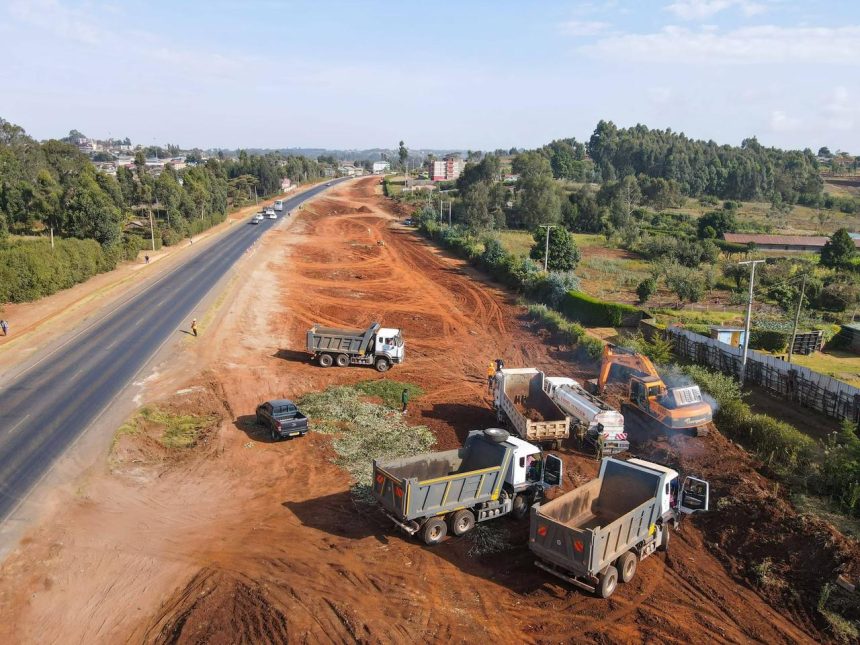
The government has completed the payment of verified road construction pending bills up to December 2025, following a pledge by President William Ruto to resolve long-standing arrears that have weighed down the construction sector.
The Ministry of Roads and Transport says the payments were made possible through the securitization of the Road Maintenance Levy, a financing approach that allowed the government to access funds upfront against future levy collections.
For years, delayed payments to contractors have been cited as a key reason behind stalled road projects, job losses, and rising construction costs. Industry players say the uncertainty forced many firms to slow down works, retrench staff, or rely on expensive short-term borrowing to stay afloat.
Speaking after the settlement, local road contractor Daniel Wamahiu confirmed that outstanding payments owed to his firm by the ministry had been cleared.
“We have received the pending bills that were owed to us by the Ministry of Roads. This has significantly eased the financial pressure contractors have been facing,” Wamahiu said.
He explained that delayed payments had strained cash flows across the sector, making it difficult for contractors to meet basic obligations such as paying workers, servicing loans, and maintaining equipment.
“Even when work is ongoing, contractors still have to pay salaries, fuel machinery, and repay banks. When payments delay for long periods, projects stall not because of lack of capacity, but because working capital runs out,” he added.
The Ministry of Roads maintains that the securitization model was adopted as a one-off intervention to clear the backlog of verified arrears while ensuring that road maintenance activities continue uninterrupted.
Contractors say the settlement of pending bills could help restore confidence in government-funded infrastructure projects, enabling firms to remobilize to sites, retain skilled workers, and complete stalled works.
“Once pending bills are settled, contractors can return to sites and plan better. It also improves confidence from banks and suppliers,” Wamahiu noted.
However, analysts warn that clearing arrears alone will not be enough unless accompanied by stricter project planning, timely disbursement of funds, and better contract management to prevent the accumulation of new pending bills.
As road works resume across the country, attention now turns to whether the government can maintain discipline in future payments, ensuring that contractors are paid on time and public infrastructure projects are delivered as planned.