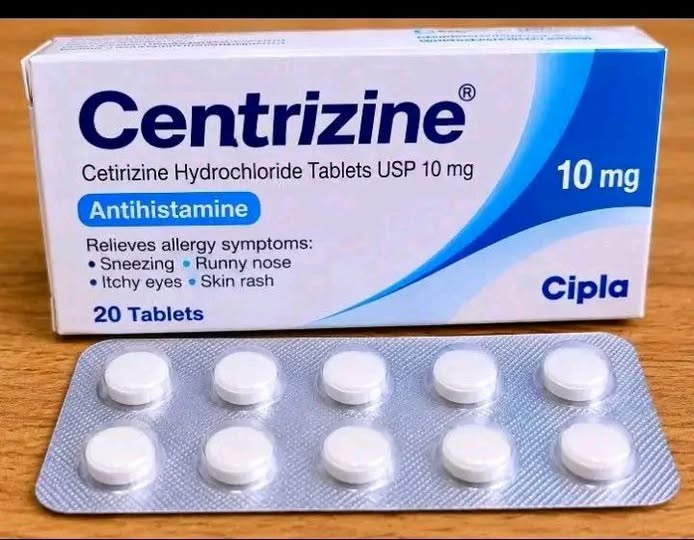
The Pharmaceutical Society of Kenya (PSK) has warned against the misuse of cetirizine to tighten vaginal muscles following viral social media claims promoting the practice.
In a statement, PSK expressed concern over the social media discussion advocating the use of cetirizine, a commonly prescribed antihistamine, for purported vaginal tightening, including claims encouraging the insertion of oral tablets into the vagina.

“As the professional body representing pharmacists in Kenya, PSK wishes to clarify the appropriate use of cetirizine, address misinformation surrounding these claims, and remind the public of the importance of using medicines safely and for clinically appropriate purposes,” said PSK President Dr Wairimu Njuki.
She clarified that cetirizine is an oral allergy medication, warning that inserting the tablets into the vagina is unsafe because their ingredients have not been tested for use on delicate vaginal tissue.
High demand
PSK also noted reports of increased demand, price rises and stock shortages in some outlets and urged pharmacies to keep to ethical pricing and to ensure that patients who genuinely need cetirizine to manage allergies are not denied access to the medication.
Njuki cautioned that the rapid spread of unverified medical claims poses significant risks to public health while advising Kenyans to check with a pharmacist before using any medicine for a purpose it was not made for.
She also dismissed claims equating vaginal dryness with vaginal tightening, describing the perception as medically inaccurate.
“Although antihistamines may cause dryness as a side effect, reduced lubrication does not strengthen vaginal muscles or alter vaginal anatomy. Instead, it may increase friction, discomfort, and the risk of tissue injury,” she explained.
She further noted that cetirizine works by blocking histamine to relieve allergy symptoms such as sneezing, a runny nose, itchy eyes and skin reactions such as hives.
“It is not approved or tested for any other purpose, and definitely not for vaginal use,” she stated.
PSK urged members of the public not to rely on social media for medical advice and called on content creators to exercise responsibility when sharing information about medicines and health interventions.
“A readily available and common medicine is not necessarily suitable for every purpose or free from side effects. Cetirizine should be taken only as directed on the label or by a pharmacist or a medical doctor. Social media as a source of medical information. Social media has become an important platform for sharing health information. However, the rapid circulation of unverified medical claims presents significant risks to public health”, it warned.
The Society urged those sharing health-related information to ensure it is evidence-based and communicated in a manner that protects rather than endangers the public.
“Ensure it is evidence-based and communicated in a manner that protects rather than endangers the public”, PSK appealed.
Meanwhile, Kenyans have been advised to buy medicines only from premises licensed by the Pharmacy and Poisons Board (PPB), where a registered pharmacist is present.