Women entrepreneurs have been urged to grow their businesses and tap into emerging economic opportunities as policymakers and financial institutions push for partnerships aimed at making women-led enterprises more bankable.
The call comes amid concern over persistent structural barriers that continue to limit women’s participation in formal financial systems, despite their growing contribution to the economy.
Presidential Advisor on Women Rights, Harriet Chiggai said women remain a driving force in Kenya’s economy, but continue to face structural barriers that hinder their full participation in formal financial systems.
“Making women bankable requires a deliberate shift in how we design financial systems and institutions. It calls for financial products that respond to the realities of women-led enterprises and for policies that dismantle structural barriers such as lack of collateral and limited access to assets,” she said
Chiggai noted that women own about a third of formal small and medium enterprises in Kenya, with even higher participation in the informal sector where they dominate micro and small businesses.
“Government alone cannot deliver this transformation; it requires coordinated partnerships with financial institutions and the private sector to de-risk investment, expand access to capital and unlock opportunities for women to grow at scale,” she added
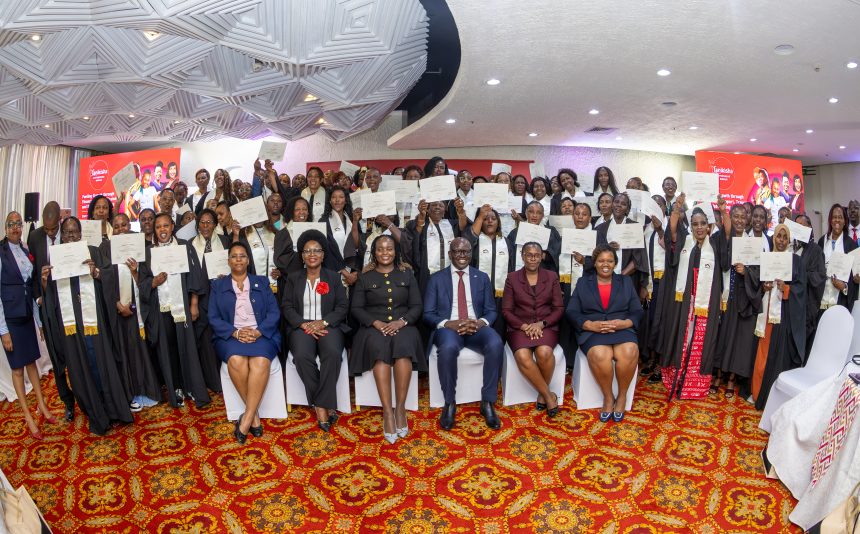
She spoke during the graduation of more than 100 women drawn from various sectors who underwent training on digital literacy, insurance, taxation and cash flow management, under Equity Bank’s Fanikisha programme.
Equity Bank Kenya Managing Director Moses Nyabanda said empowering women entrepreneurs contributes to broader economic development.
“What we are doing goes beyond supporting individual businesses; it is about building an ecosystem where enterprises can thrive and contribute meaningfully to the economy. When women-owned businesses grow, they create jobs, strengthen households and drive inclusive development, which ultimately makes Kenya a better place for all of us,” said Nyabanda.
Shelmith Wambui Maina, a proprietor in fashions industry, said the training had sharpened her ability to adapt and make strategic choices.
“When Nairobi shut down during COVID, I realized I had to adapt and find ways to keep my business running,” she said, adding that the programme had helped her strengthen operations across her multiple shops.
Mary Wangari who deals with supplies highlighted how mentorship and financial literacy enabled her to pursue new opportunities.
“This programme has helped me see how to leverage existing resources to grow and sustain my business,” she said.
Since its inception in 2007, Fanikisha has disbursed over Ksh 565.6 billion in loans, training, and networking support to women across Kenya, offering flexible credit without conventional collateral to enable women entrepreneurs to scale their enterprises.
The graduates now join a growing pool of women entrepreneurs expected to play a bigger role in driving Kenya’s economic transformation.