Smallholder farmers in Kenya, Uganda, and Tanzania are set to benefit from a new clean energy model aimed at boosting the dairy and horticulture sectors. The 2025 Distributed Renewable Energy Ecosystem Model (DREEM) is helping farmers adopt solar-powered solutions to improve productivity, reduce costs, and build resilience to climate change.
In Kenya, the DREEM model is being hosted at the Kenya Climate Innovation Centre (KCIC) and so far, 23 farmers from different dairy cooperatives have been selected for the first year of the program. These cooperatives are located in Isiolo, Kitui, Laikipia, and Makueni counties that are mostly semi-arid and heavily affected by climate change.
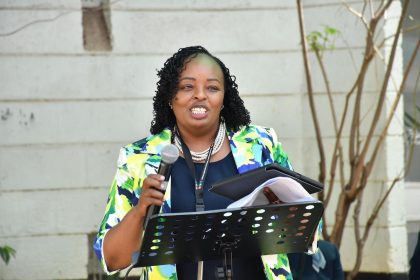
“These are areas that often don’t get enough support,” says KCIC’s Chief Executive Officer Joseph Murabula. “If we don’t step in, no one else might. Most agriculture in Kenya happens at the community level and this program focuses on helping smallholder farmers go green.”
The selected cooperatives will learn how to use solar energy instead of diesel for milk cooling and processing. This will help them cut energy costs, grow their businesses, and reach more customers.
Murabula adds that the program is also expected to create job opportunities for youth in rural areas, while reducing greenhouse gas emissions by using cleaner energy sources.
“It’s not just about keeping these businesses alive,” Murabula says. “We want to make them sustainable, competitive, and climate-smart.”
Fueling Growth with the Sun in Uganda
In Uganda, the DREEM model is hosted by Heifer International Uganda, an organization focused on ending hunger and poverty while protecting the environment.
Heifer Uganda supports around 40,000 smallholder farmers each year. But their goal is bigger. “In the next ten years, we want to work directly with 400,000 farmers and indirectly impact 2 million,” says William Matovu, Country Director of Heifer International Uganda.
The organization focuses on sectors like dairy, beef, poultry, horticulture, oilseeds, and small livestock, which are easy for women and youth to join. “You don’t need large land or a lot of money to start,” Matovu explains. “These sectors grow fast and help people earn income quickly.”

Poor electricity access remains a challenge
“More than 85% of our dairy cooperatives in Uganda are not connected to the power grid,” Matovu says. “They rely on diesel generators to keep milk cold, which is costly and pollutes the environment.”
Through the DREEM Hub project, Heifer International is helping these cooperatives install 20-kilowatt solar power systems to replace diesel generators. Each system can save up to four tonnes of carbon emissions per month.
The solar energy is also used on farms to power milking machines, feed choppers, and storage units. “This kind of transformation leads to better profits and a cleaner environment,” Matovu adds.
The livestock sector is often blamed for climate change, especially due to methane from cows. But Matovu believes the solution isn’t fewer cows but better farming practices.
Heifer International trains farmers to use conservation feeding, like harvesting hay, growing high-quality fodder, and reducing free-range grazing. Farmers are also encouraged to practice agroforestry that incudes planting trees that feed animals and help absorb carbon.
“It’s about feeding animals better and keeping them healthy. That’s how we reduce emissions,” he says.
“Trade in food products like milk, maize, and rice is helping us improve food security. But we still face challenges like poor roads, limited land access, and weak farming support services,” he notes.
Technology, he says, can help fill the gap. “Many farmers don’t get advice from extension officers. But with mobile phones and digital tools, they can get the information they need directly.”
Regional governments are also starting to shift from subsistence to commercial agriculture, focusing on agro-processing, creating jobs, and building stronger rural economies.
“With new investments in roads, railways, and energy, the region is building the foundation for a vibrant agri-food economy,” Matovu says.
“We have the land, the people, and the market. What we need now is the right policies, funding, and energy solutions to bring it all together. If we do, smallholder farmers won’t just survive—they’ll succeed.”
Mott Foundation’s support in clean energy Across the Region
The Mott Foundation, has been supporting clean energy for agriculture in East Africa for the past decade. According to Sam Passmore, Director of the Environment Program, the foundation has invested over $25 million in solar energy projects in Kenya, Tanzania, and Uganda.
“This work combines several goals in fighting climate change, creating jobs, building stronger communities,” Passmore says.
Each country has a tailored approach. “In Tanzania, the focus is on solar-powered irrigation. In Uganda, it’s about solar cooling for milk,” notes Passmore. “The foundation works closely with governments, companies, and local communities to make sure these solutions meet real needs.

“We’re at a tipping point,” says Passmore. “We’ve proven the model works. Now it’s time to expand and bring in more partners and investment.”
“Our mission is to support people at the grassroots,” says Murabula. “Because that’s where real change begins.”