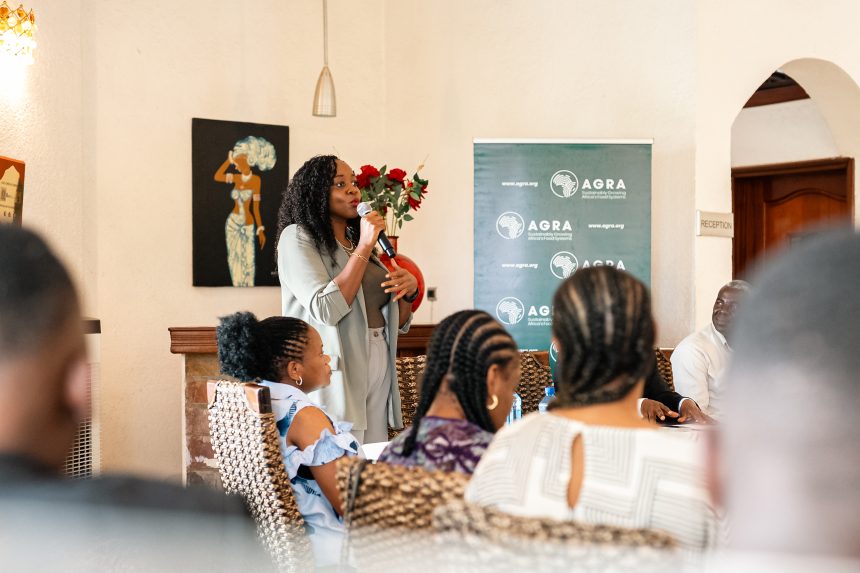
Young Agripreneurs, policymakers and development partners gathered in Kigali for a youth-led dialogue on the future of Africa’s food systems, highlighting how stronger agri-food systems can create jobs, enterprise opportunities and innovation for the continent’s growing youth population.
The conversation, titled “Who Gets to Shape Africa’s Food Future?”, was hosted by AGRA in partnership with Global Citizen on the sidelines of Move Afrika. The dialogue brought together young entrepreneurs, ecosystem actors and policymakers at Select Boutique Hotel & Restaurant for an open discussion on the opportunities and barriers facing youth in Africa’s agri-food sector.
Across Africa, agriculture employs a large share of the population, yet many young people still view the sector as a last resort rather than a viable economic pathway. Limited access to finance, markets, land and enterprise support services often prevents youth from entering or scaling agribusiness ventures.
During the discussion, Rwanda’s Minister of Agriculture and Animal Resources Dr. Telesphore Ndabamenye challenged young people to see agriculture not only as farming but as a pathway to wealth creation, food security and employment.
“You cannot market what you do not have,” the minister said, emphasizing the need to prioritize food production before focusing on profits. “In the food systems journey, we must first secure food. From food comes cash, and from cash come jobs.” He also urged young people to take a more proactive role in shaping the sector.
Dr. Ndabamenye noted that while development partners are supporting youth initiatives he stressed that young people themselves must lead the transformation.
“Partners such as AGRA and the Mastercard Foundation are already supporting youth initiatives, but young people must also step forward and play a bigger role. We want youth to help us produce healthy foods for our populations. When food systems are strong, the economy becomes stronger.”
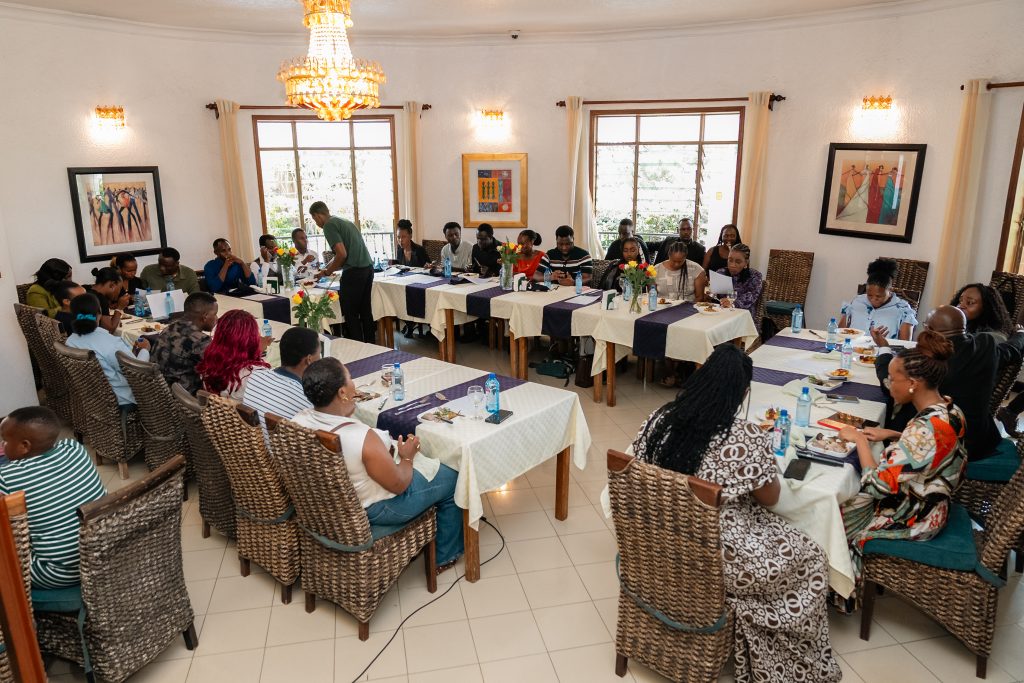
Speaking during the event, Ifeoma Chuks-Adizue, Managing Director for Africa at Global Citizen, said the dialogue provided an important platform for youth voices within the agricultural sector. She added that organizations working in the sector must better understand the challenges faced by young entrepreneurs. “We need to understand what challenges they face as Global Citizen and as AGRA so that we can help them achieve their goals.”
Chuks-Adizue noted that Global Citizen is working with AGRA through a grant focused on addressing food and nutrition challenges while also advancing job creation.
“One big issue is food and nutrition, which is a focus area of AGRA. Within Global Citizen, one of our focus areas this year is jobs. This event was organized to create an open and honest conversation among young people who are already doing great work within the agriculture space.”
Nana Yaa Boakyewaa Amoah, AGRA’s Director for Gender, Youth and Inclusiveness, emphasized that empowering young people is central to transforming Africa’s food systems. “We want to bring more young people on board in shaping Africa’s food future,” she said. “Young people are not just beneficiaries — they are innovators, entrepreneurs and leaders in the food system.”
Through the Youth Entrepreneurship for the Future of Food and Agriculture (YEFFA) initiative and related programmes, AGRA supports youth-led agribusiness development by strengthening the systems around young entrepreneurs. This includes expanding access to skills training, business development services, market linkages and financing opportunities while engaging policymakers to create enabling environments for agribusiness growth. In Rwanda, these interventions are already delivering tangible outcomes. Youth-led enterprises supported through YEFFA initiatives have created 12,248 work opportunities across agrifood value chains, while 649 youth with disabilities have been enabled to work in agriculture and agribusiness.
Young entrepreneurs participating in the dialogue also highlighted the importance of platforms that connect youth with policymakers and investors. Lydia Murekatete from All Greens described the session as motivating and action-oriented. “Don’t just talk about it, be about it,” she said.
Meanwhile, Evariste Sibobugingo, co-founder of Igisubizo Ltd, said the dialogue helped young entrepreneurs exchange ideas and build confidence. “This dialogue builds our confidence, opens our minds and allows us to share experiences with other young people,” he said.
The Kigali dialogue comes at an important moment for Africa’s food systems agenda. This year marks AGRA 20 years of work to strengthen agricultural systems across the continent and a renewed focus on scaling proven models that improve farmer incomes while expanding enterprise opportunities across food value chains. At the continental level, the African Union’s Kampala CAADP Declaration and CAADP Strategy 2026–2035 places agri-food systems transformation at the center of Africa’s economic development agenda.
In addition, 2026 has been designated the UN International Year of the Woman Farmer, highlighting the role women play as producers, entrepreneurs and leaders across agricultural value chains.