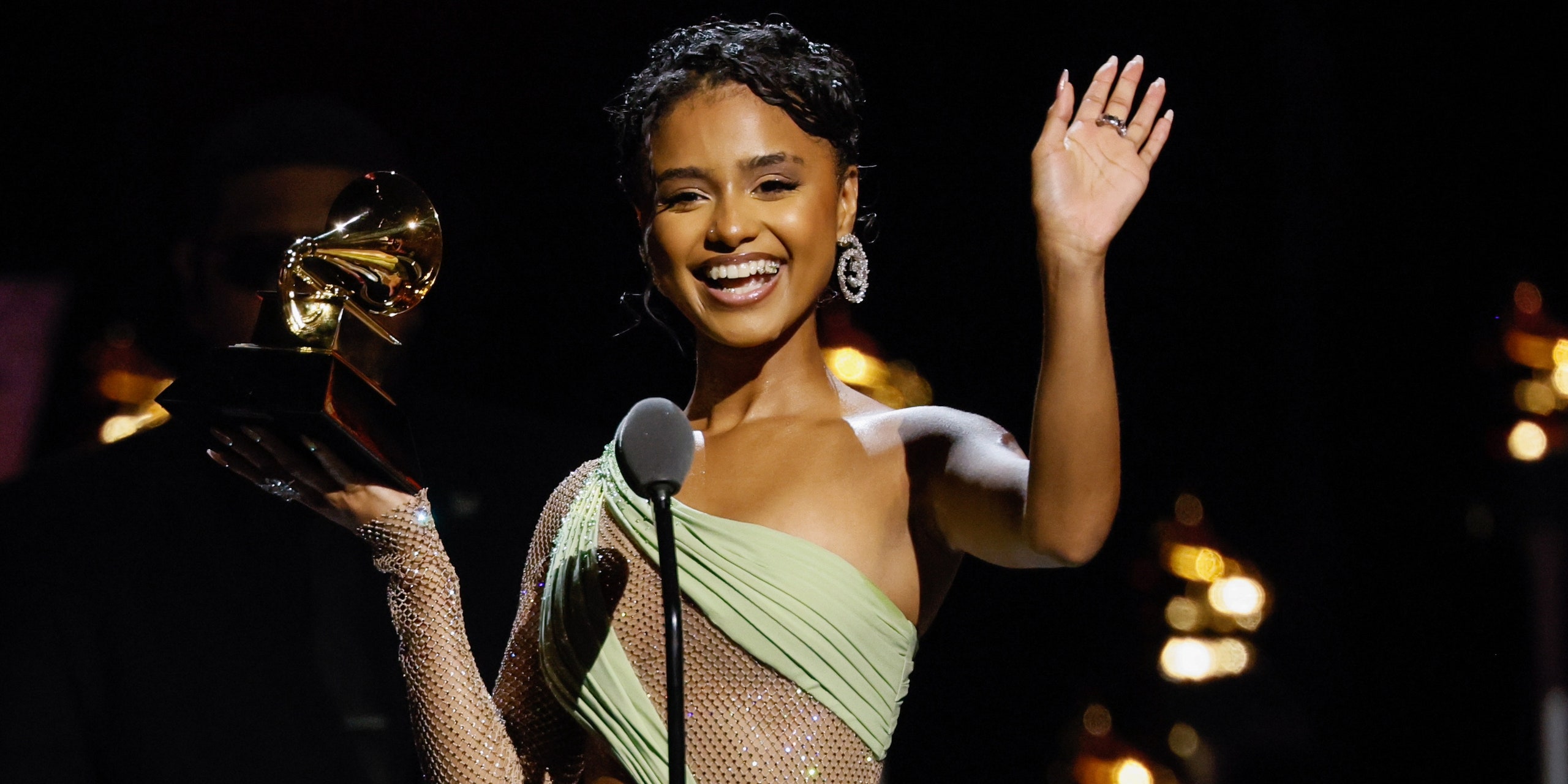
Award-winning South African musician Tyla is facing a legal suit over her Grammy-winning hit song “Water.”
The suit filed by Olmo Zucca and Jackson LoMastro against Tyla, British producer Sammy SoSo (Samuel Awuku) and Sony Music Entertainment alleges that they were not credited as top-line producers, harming their reputation and careers, preventing them from acquiring new and bigger composing opportunities.

Zucca and LoMastro say that during a March 2023 recording session in Los Angeles, they worked with SoSo and fellow producer Rayo (Rayan El-Hussein Goufar) to make numerous audio recordings that were used on the final version of “Water” according to Billboard magazine.
Zucca and LoMastro are credited as co-writers on “Water,” but not as producers. The pair allege that SoSo deliberately cut them out by contracting directly with Tyla “to take sole credit for production of the song,” and that he then lowballed Zucca and LoMastro with publishing royalties of only 10% each while giving himself 15%.
“Although plaintiffs tried for months to resolve the matter with Awuku, Awuku refused to cooperate and, instead, engaged in a pattern of deception designed to conceal his nefarious actions,” reads the legal complaint.
According to the lawsuit, SoSo fooled Zucca and LoMastro into signing a misleading contract that memorialised these unfair royalty rates.
The complaint also cites a May 2024 meeting that Zucca had with Epic Records president Ezekiel Lewis, during which Lewis supposedly said SoSo had not informed the label about any co-producers on “Water.”
The two are now seeking producer credits through the suit and to increase their percentage to 12.5%.
“Because defendants have refused to recognise plaintiffs’ status as topline producers of the song, and have failed to pay plaintiffs all of the royalties they are owed from the song, plaintiffs have each suffered injury in fact,” says the complaint.
The suit also says the song is likely to continue making profit over time.
“Based on industry history, it is more than reasonable to expect the song to generate upwards of $50 million over an extended period of time,” says the lawsuit.
The July 2023 track spent 29 weeks on the Billboard Hot 100, peaking at No. 7, and ultimately won a Grammy Award for best African music performance.