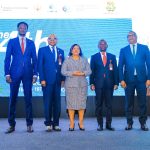
The Government of Kenya and the Government of the People’s Republic of China have signed a preliminary Early Harvest Arrangement as part of the proposed Agreement on Economic Partnership for Shared Development. The agreement allows Kenyan exports to enter the Chinese market without any duties.
The arrangement comes shortly after Chinese President Xi Jinping announced plans to implement zero tariffs on all products from African countries with diplomatic relations with China, starting in May. Kenyan and Chinese officials view the Early Harvest Arrangement as a way to put this commitment into action within a formal agreement.

Under the deal, China will apply zero tariffs on all eligible Kenyan products, while Kenya will also open its market to more Chinese goods. This agreement acts as an interim measure to liberalize trade until the broader China–Africa Development Economic Partnership Agreement (CADEPA) is finalized. Officials say CADEPA is intended to function like a full Free Trade Agreement once completed.
Strategic trade tool
“Early Harvest” agreements are a strategic part of China’s trade diplomacy. Instead of waiting for lengthy negotiations to finish, this mechanism speeds up tariff reductions on priority goods—mainly agricultural products, fisheries, raw materials, and certain manufactured goods. This structure allows for immediate benefits while still leaving room for a comprehensive agreement.
In Kenya’s case, the zero-duty coverage aligns with China’s broader policy for African partners, ensuring that this preliminary arrangement will not be affected by other continental measures. Trade analysts point out that this alignment reduces uncertainty for exporters by securing tariff preferences through a formal agreement.
The move also supports commitments made under the Forum on China-Africa Cooperation (FOCAC), which aims to balance trade between China and Africa. Historically, Chinese exports to Africa have grown faster than imports from the continent, and Beijing’s zero-tariff initiative is seen as a way to boost African exports to China.
Kenya is among the first African countries to formalize an Early Harvest Arrangement under this economic partnership model. The Republic of the Congo was the first to sign a similar agreement last year in Shanghai. South Africa is also expected to finalize its own Early Harvest Agreement by next month.
Outside Africa, China has used this model in Latin America, particularly with Honduras in 2024 during ongoing free trade negotiations, showing it as a step toward a full Free Trade Agreement.
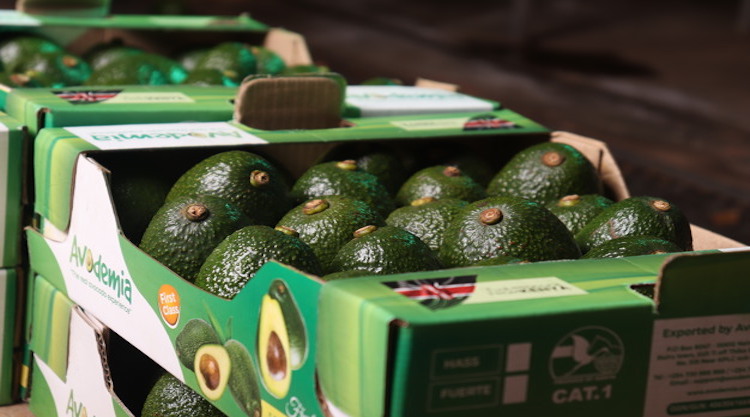
For Nairobi, this agreement will boost the competitiveness of Kenyan exports, especially in agriculture and agro-processing sectors, within one of the world’s largest consumer markets. Zero-duty entry helps eliminate price disadvantages compared to competitors without similar access.
The agreement also marks a shift in how China and Africa manage trade, moving from temporary tariff preferences to more structured, rules-based economic partnerships with long-term stability.
Both countries are expected to move forward with formal signing and implementation in the coming months. Officials have indicated that the Early Harvest Arrangement could evolve into a comprehensive free trade agreement in the future.