For decades now, simplifying information pertaining to Climate Change, pollution, biodiversity loss, conservation, wildlife protection or even the critical information on early warning system by Kenya Meteorological Department in the Kenyan context, has been a challenge especially to the intended audience who are the final consumers.
Why is that so? Majority of Kenyans complain of the technicality of the terminology used by scientists in communicating this information, making it hard for them to understand and interpret for them to take appropriate measures.

As part of bridging the gap, Mongabay has set the pace by launching a Swahili platform, where climate scientists can break down complex topics on environmental issues that is of public interest using Swahili language.
At the same, the platform will also serve as a place where science journalists can source information and interrogate it further for the benefit of the public using Swahili language.
During the launch of Mongabay Swahili platform under the theme ‘Truth in the age of noise, conservation journalism, disinformation and the promise of artificial intelligence’ Mongabay Africa Program Director David Akana underscored the importance of local languages in communicating environment issues in a languange that can be understood by African audiences.
“While English might be important for us to use in this region, we also recognize that using local languages is even more appropriate, as our communities engage and transact through them more,” said Akana, adding that with Swahili language being used by more than 200 million people across Eastern Africa, the platform is timely as information will be disseminated and consumed by a large and the intended population for an actual change to be realized.
“This new platform is an important step towards making environmental and climate reporting more accessible in one of Africa’s most widely spoken languages. This is aimed at strengthening conversations around nature, conservation, and sustainable development across East Africa.”
In the age where the country cannot run away from artificial intelligence, Principal Secretary, State Department for Broadcasting and Telecommunication Stephen Isaboke who was the guest speaker during the Mongabay Swahili launch, emphasized the need for media to maintain credibility and fact checking science based information to avoid misleading the public who are the final consumers.
“In a continent that harbors more than 400 million social media users, this is fertile ground for disinformation. This makes credible journalism more important than ever, in languages that are most understood by communities in cities, informal settlements and the grassroots,” said PS Isaboke.
Isaboke was also keen to note that the Swahili platform was a significant step towards strengthening environmental journalism in the region.
He added, “Language determines who can access knowledge and participate in public conversations. Reporting environmental issues in Swahili, therefore, helps bring science and biodiversity issues to those most affected.”
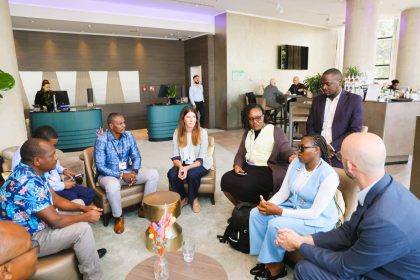
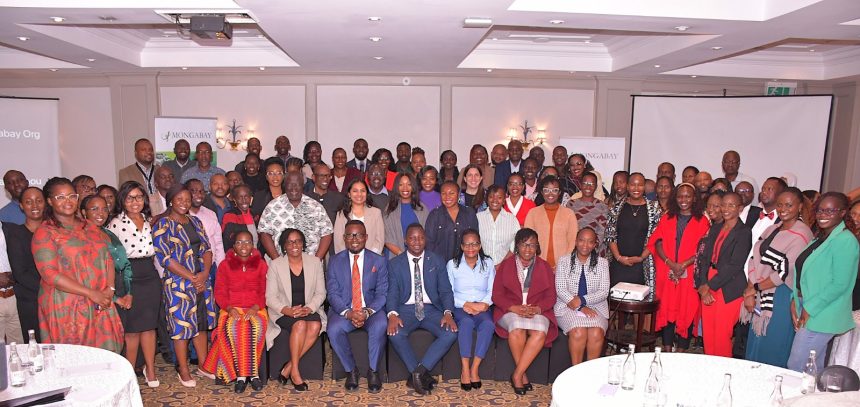
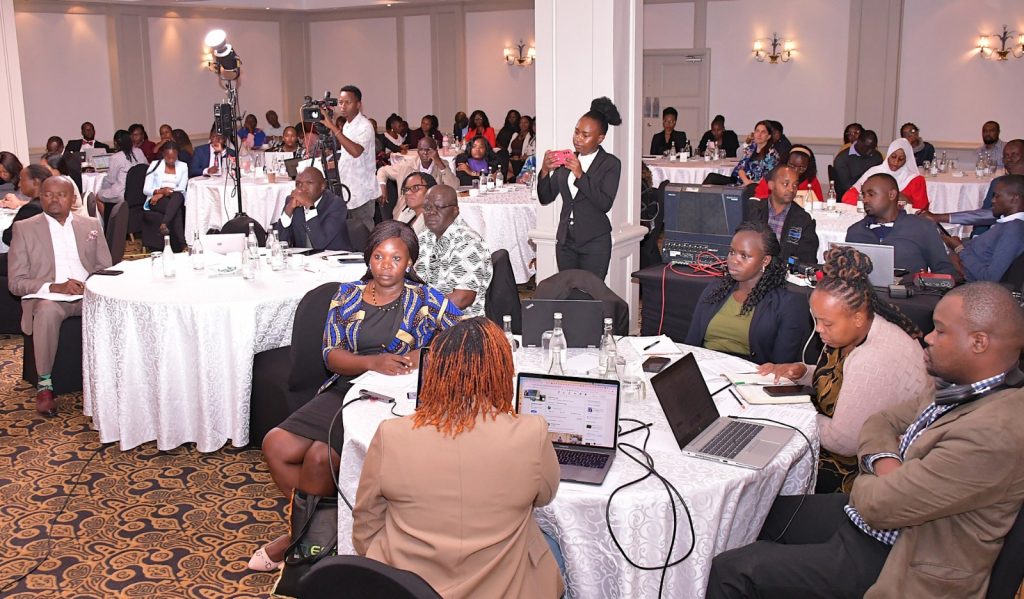
The launch brought together over 200 participants comprising of journalists, conservationists, scientists, science journalists, UNEP representatives, and indigenous community representatives among others.