President William Ruto has issued a stern warning to oil marketers who are devising plans to cause artificial fuel shortage in the country amid ongoing conflict in Middle East which has disrupted supply of oil and gas in the global market.
Speaking during the signing of bilateral agreements between Kenya and Mozambique at State House Nairobi, President Ruto said his administration has already commenced talks with local and regional stakeholders on how to address the situation as a result of disruptions in fuel supply.

“We have also been very clear to our oil marketers and those who have storage capabilities that the Government of Kenya is not going to entertain any artificial shortages that are meant to benefit profiteers. We are going to be very careful working with all the stakeholders to make sure every participant works with the condition of the licensing so that we don’t exacerbate or accelerate the negative effects but instead we work together to mitigate and minimize the effects,” said President Ruto.
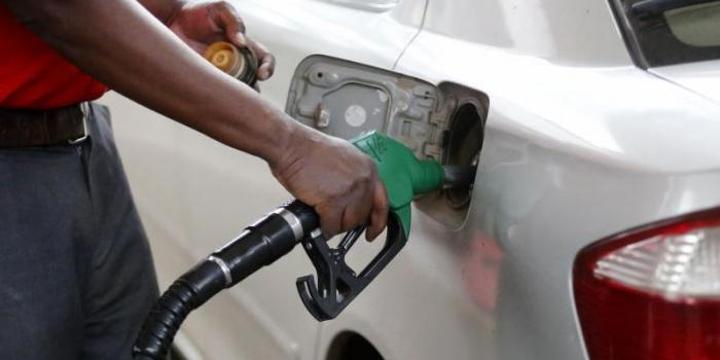
Already, some consumers have begun reporting fuel shortages in some of the outlets. Vivo Kenya which operates Shell Kenya and is among the largest oil marketers in Kenya has acknowledge fuel shortage which it has attributed to rising demand.
“We have recently experienced increased demand for our products, which has resulted in temporary stock-outs at some service stations. Our teams are closely monitoring the situation and working continuously to replenish affected sites as quickly as possible,” said Vivo Kenya on Thursday.
According to the International Energy Agency (IEA) the conflict which erupted in February 28 triggered by a joint attack on Iran by the United States and Israel has resulted to the largest supply disruption in the history of the global oil market pushing crude oil prices to above $100 per barrel leading to sharp increases in fuel prices including liquefied petroleum gas (LPG).
With Iran placing restrictions on the Strait of Hormuz, a key chokepoint which is responsible for handling 20pc of global oil consumption, IEA is projecting the situation to worsen should the situation continue to escalate. The route handles an estimated 20 million barrels of crude oil and oil products daily.
“The war in the Middle East is creating a major energy crisis, including the largest supply disruption in the history of the global oil market. In the absence of a swift resolution, the impacts on energy markets and economies are set to become more and more severe,” said Fatih Birol IEA Executive Director.
President Ruto has also assured Kenyans that the government is also exploring alternatives in the event the war in the Middle East escalates. The Energy Ministry has also embarked on engagement with fuel suppliers and oil producers to find necessary alternative sources that would mitigate any fuel shortages.
“There have been consultations not just within Kenya but also as a region. We have discussed with our regional partners on the interventions necessary for us to forestall any serious effects the challenge of the Middle East crisis is going to pose to our economies both in terms of fuel supply and commodities supply,” added President Ruto.
The government currently sources the country’s fuel under the Government-to Government fuel agreement with state owned oil marketers from Saudi Arabia, Qatar and the United Arab Emirates.