The King Baudouin Foundation has awarded the 2025 2026 KBF Africa Prize to Friendship Bench, a Zimbabwe founded model, in recognition of its pioneering work to expand access to affordable, evidence-based mental health care and address the growing global mental health crisis.
Across Africa, mental health remains critically underfunded and underserved and World Health Organisation (WHO) estimates that around 150 million people in the region are affected by mental health conditions, with access to services severely limited and unevenly distributed.

In Southern Africa, up to 30% of adults are estimated to experience a mental health condition in their lifetime, yet fewer than 10% receive adequate care, reflecting a significant treatment gap. In Zimbabwe, the scale of the challenge is particularly acute. Up to 70% of people with mental health conditions receive no formal care, and severe shortages of specialised professionals persist, with around 18 psychiatrists serving a population of over 17 million.
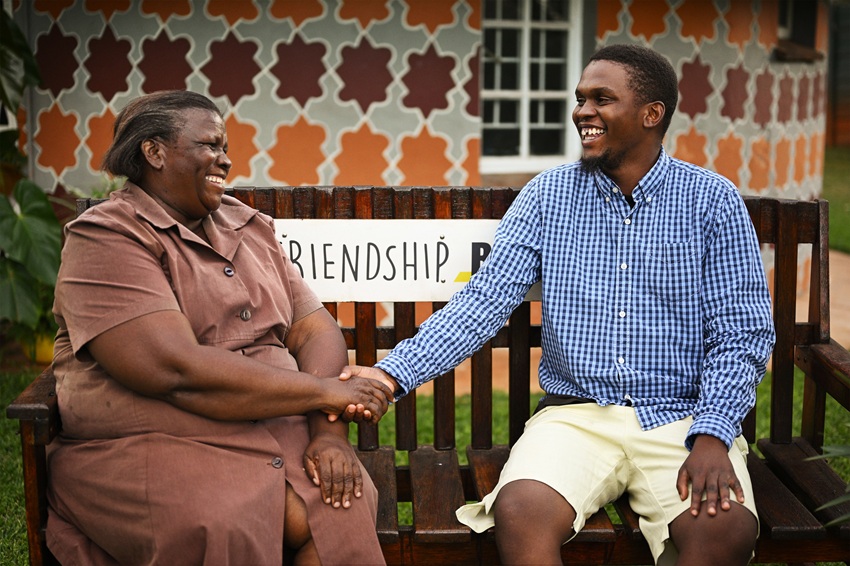
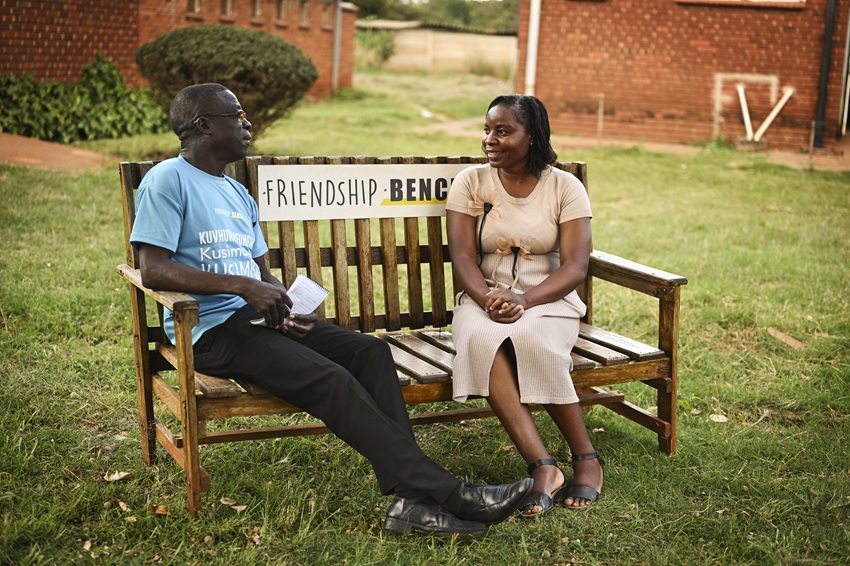
Mental health receives less than 1% of the national health budget, despite its close links to broader public health challenges, including HIV, maternal health and chronic illness. Founded in 2006 by Professor Dixon Chibanda, Friendship Bench was created to bridge the mental health treatment gap at a primary care level. It provides mental health support in discreet, safe community spaces, often wooden park benches, bringing care closer to where people live.
The model trains lay health workers (affectionately known as ‘Grandmothers’) to deliver evidence-based talk therapy grounded in basic cognitive behavioural therapy, with an emphasis on problem solving treatment, behaviour activation and activity scheduling.
Presented at an award ceremony at the Royal Palace in Brussels, the KBF Africa Prize includes a €250,000 grant and access to the King Baudouin Foundation’s international network of partners and experts. This support will enable Friendship Bench to accelerate its global scale-up through its “Friendship Bench in a Box” toolkit, deepen integration with national health systems and expand access to the hardest-to-reach populations. Friendship Bench was selected from a pool of nearly 900 applicants by an independent committee of 12 international experts, including former Prize laureates.
Costing just $13-16.50 per client served, the Friendship Bench model works within existing health systems, maximising existing lay health workers, referral pathways and data systems to ensure continuity of care, accountability and cost-effectiveness. In Zimbabwe, the programme is fully integrated within the public health system through collaboration with the Ministry of Health and Child Care and local health authorities.
Beyond Zimbabwe, the model has been piloted in countries including Malawi, Kenya, the United Kingdom, Germany and the United States, demonstrating its potential to inform community-based mental health approaches in diverse contexts and settings. In several settings, these pilots are exploring how the model can be adapted to local health systems, including through integration with primary care and community health services.
Clinical evidence shows the model delivers substantial mental health outcomes, with some studies reporting up to an 80% reduction in symptoms of depression and anxiety, as well as improvements in quality of life and wellbeing.
“Too many people are left without life-saving support due to stigma, cost or distance. Friendship Bench was born out of the urgent need to bring mental health care to where people are. This important recognition from the KBF Africa Prize will allow us to reach thousands more people and help build a world where mental health care is within reach for everyone.” Professor Dixon Chibanda, Founder of Friendship Bench
As the King Baudouin Foundation marks its 50th anniversary, this year’s Prize underscores its long-standing commitment to supporting African-led innovation and investing in solutions that improve lives and strengthen communities.
“For fifty years, the King Baudouin Foundation has been active internationally. From the outset, we have looked beyond Belgium’s borders, recognising talent and commitment around the world. Since 1980, we have honoured individuals and organisations making a difference in their communities, and since 2010, we have placed a stronger focus on Africa. We believe meaningful change begins with people who turn ideas into action, wherever they are.” Brieuc Van Damme, CEO of the King Baudouin Foundation

The KBF Africa Prize recognises African organisations that are driving locally led, sustainable solutions to the continent’s most pressing challenges. The Prize plays a catalytic role in helping organisations scale their impact and gain international visibility. Several past laureates, such as Dr. Denis Mukwege, Elman Peace and Grameen Bank, have since been awarded or shortlisted for the Nobel Peace Prize.