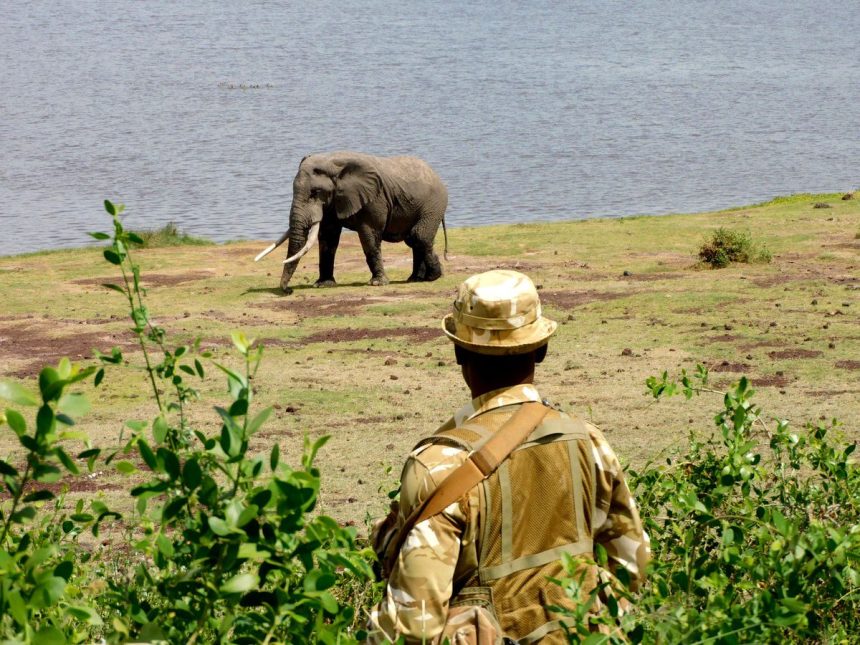
The Kenya Wildlife Service (KWS) is investigating the deaths of 15 elephants in the Amboseli ecosystem after preliminary laboratory tests detected a possible toxic substance in samples collected from some of the animals.
Most of the elephants that died were adult females and their calves, with only one adult male being among the reported cases.

In a statement, KWS said the elephant deaths were recorded between June 24 and July 24 in Amboseli National Park, Kimana Sanctuary and the Kuku Ranch area.
Following the reports, the agency deployed veterinary teams from Nairobi, Tsavo and Amboseli to investigate the incident, treat affected elephants, carry out post-mortem examinations and collect samples for laboratory analysis.
The samples were submitted to the University of Nairobi (UoN), the Government Chemist and other specialised laboratories for toxicological and pathological testing.
KWS said preliminary findings from UoN detected a possible toxic substance in samples collected from several of the affected elephants.
“Preliminary laboratory findings from the University of Nairobi detected a potential toxic substance in the samples collected from several of the affected elephants,” the agency said.
However, KWS said further laboratory analysis is required to determine the concentration of the substance and whether it is linked to the elephant deaths. Investigators are also working to establish its possible source.
Meanwhile, preliminary tests by the Government Chemist did not detect the toxic substances that had been screened, although additional analysis for other possible toxins is still ongoing.
According to KWS, 10 of the elephants showed similar symptoms before they died.
“Between 24th June and 24th July 2026, 15 elephant deaths were recorded in Amboseli National Park, Kimana Sanctuary and the Kuku Ranch area. Of these, 10 elephants exhibited similar clinical signs, including partial paralysis that left them unable to stand before dying within one to two days,” KWS added.
The agency indicated that veterinarians were unable to establish the cause of death for the remaining five elephants because the carcasses had either decomposed or been scavenged.