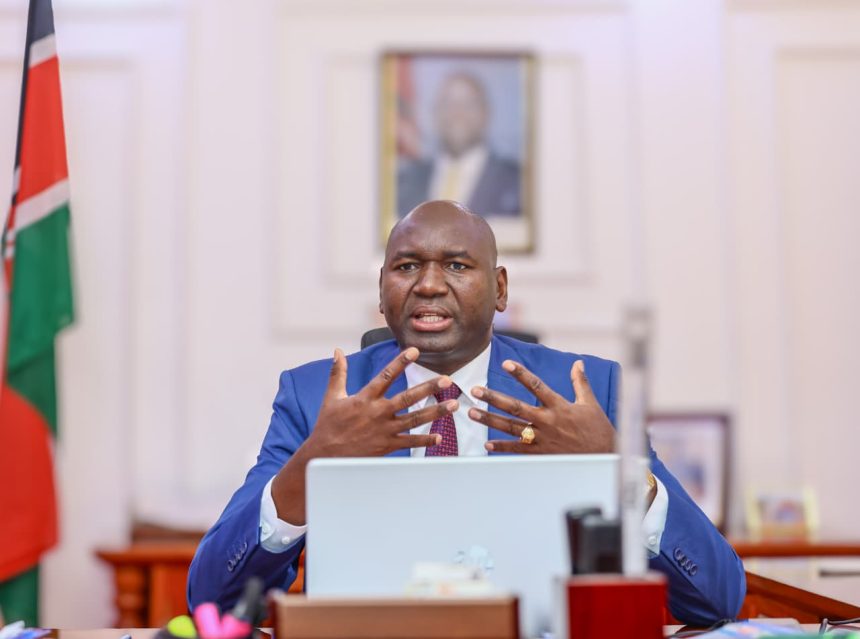
Basic Education Principal Secretary Julius Bitok has directed education officials and school principals to implement coordinated and proactive measures to tackle the rising cases of unrest in schools across the country.
Bitok made the remarks during a virtual meeting with high school principals, regional and county education directors, sub-county officials, and senior ministry officers, called to assess the current situation and identify urgent interventions to ensure uninterrupted learning during the second term.

Bitok cited the second term, which he says has historically seen a surge in unrest and called for early detection of warning signs to prevent escalation and potential school closures.
“We are aware of incidences of unrest in some of our schools which have unfortunately interfered with smooth learning and the closure of some institutions. We must be on the lookout for the triggers to effectively preempt them,” he said.
Speaking during the meeting, education officials reported that many cases of unrest stem from weak communication between learners and school management, limited student involvement in decision-making, harsh disciplinary measures, and the pressures associated with examinations.
Other trigger factors mentioned include poor learning environments, peer influence, drug and substance abuse, social media impact, and deficiencies in guidance and counselling services.
In response, Bitok urged school leaders to adopt more student-centred approaches that foster dialogue and facilitate early resolution of concerns.
“Schools must strengthen communication channels between students, teachers, parents, and administrators to promote trust, openness, and timely resolution of concerns,” he said.
He also encouraged institutions to involve learners in decision-making processes to nurture responsibility, ownership, and a greater sense of belonging within schools.
The Principal Secretary further called for fair, corrective, and supportive approaches, cautioning against punitive methods that could escalate tensions.
“Discipline should be fair, supportive, and corrective. Schools must create environments where learners feel heard, respected, and supported,” he stated.
The meeting also underscored the need to strengthen guidance and counselling departments to provide psychosocial support and mentorship for learners facing academic and emotional challenges.
Officials were further directed to intensify efforts on student welfare, drug and substance abuse prevention, and responsible use of social media through digital literacy programmes.