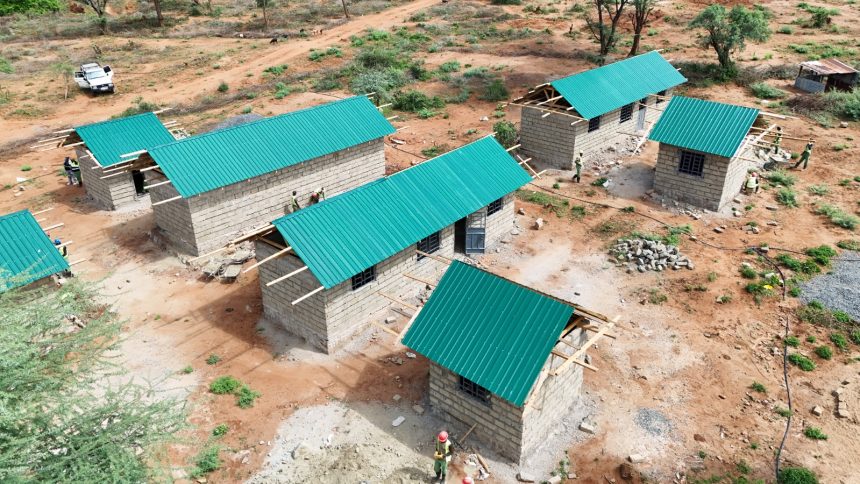
It began like any other quiet night in Chesongoch, Kerio Valley, light rain, dark skies and residents settling in with no sense of danger. But within hours, that calm collapsed into one of the deadliest landslides the region has experienced in years.
Jacob Kaptumen, who has lived here for 60 years, remembers October 31, 2025, vividly. The rain was light and routine, and life felt normal.
“People were calm, they went to sleep without fear,” he said. “We even had peace because our worry had been issues happening far down the valley.”
But around 9 p.m., the valley fell silent. “The land became completely silent… and we began to ask ourselves what was wrong,” he recalled.

Then came a deep, unfamiliar roar. “It was like twenty helicopters flying overhead at once. It was a terrifying sound from the upper valley.”
Moments later, floodwaters and mudslides tore through the settlement. Villagers rushed into darkness as torches flickered and screams spread across the valley. Jacob and others ran toward the danger, pulling survivors from raging waters.
“We struggled and managed to pull some people out and placed them on safe ground,” he said.
But roads had been destroyed, communication cut off, and hospitals were unreachable. Schools became emergency shelters as communities treated the injured on higher ground using whatever they could find.
By morning, Chesongoch had been reshaped. Farms had disappeared, homes were gone, and sections of the valley had collapsed.
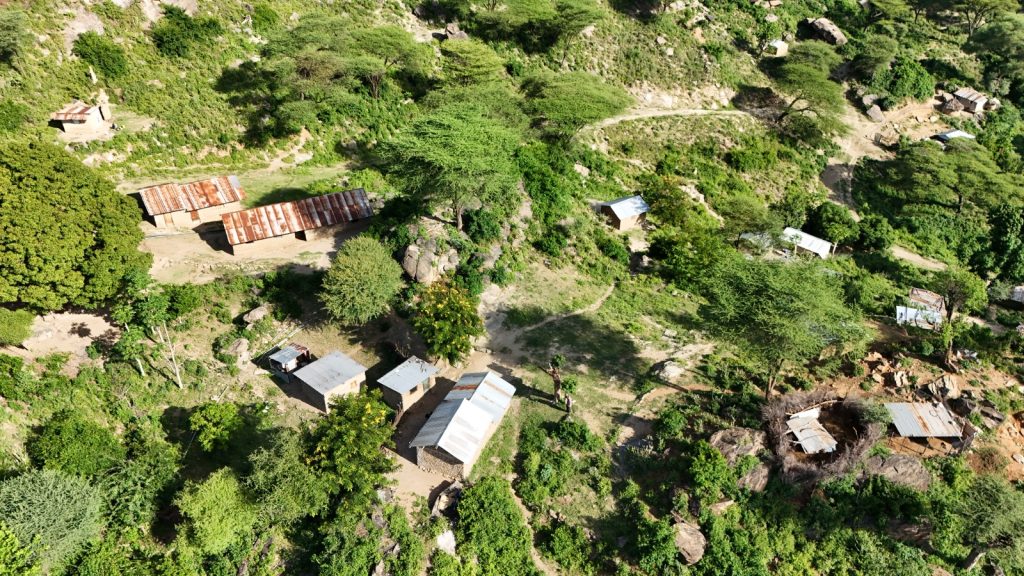
For Jacob, the cause is clear. “When we assessed everything, we realised the forest is disappearing. This is what has brought this disaster,” he said.
He points to the escarpment above, once green, now stripped bare.
“When you look from above, it seems stable, but underneath, there is nothing holding the soil.”
Years of forest encroachment, farming along riverbanks and tree cutting weakened the slopes, leaving the land vulnerable to collapse during heavy rainfall.
“People have entered the forest, and slowly the land is giving way,” he said.
The tragedy, however, prompted a far-reaching government intervention focused on both environmental restoration and long-term community resilience.
Interior Cabinet Secretary Kipchumba Murkomen in April unveiled the KSh14 billion Cherangany Hills Ecosystem Restoration for Livelihood Improvement, Sustainability and Harmony (CHERISH) Programme, a 10-year initiative targeting the rehabilitation of nearly 62,000 hectares within the degraded Cherangany ecosystem.
The programme seeks to restore critical water towers, rehabilitate fragile landscapes and support sustainable livelihoods for communities living around the forest ecosystem through a community-centred conservation model.
Murkomen has consistently maintained that environmental destruction is no longer just an ecological issue, but a growing security and development challenge, with climate-related disasters increasingly threatening lives, livelihoods and infrastructure across vulnerable regions.
The CHERISH initiative is further aligned with President William Ruto’s national target of planting 15 billion trees as part of efforts to reverse deforestation, restore ecosystems and strengthen climate resilience countrywide.
As part of the rollout, Murkomen is expected to officially launch the CHERISH Programme in Kapyego, Marakwet East, on May 21, 2026, through a large-scale indigenous tree planting exercise alongside the Sengwer indigenous community, who have publicly embraced the initiative for placing local communities and indigenous knowledge at the centre of forest restoration efforts.
Speaking at the launch of CHERISH, Environment Cabinet Secretary Deborah Barasa said the programme will unlock “green jobs, agroforestry, carbon markets and climate finance” to support communities, especially youth and vulnerable groups.
Elgeyo-Marakwet Governor Wisely Rotich, on his part, described the region as a fragile ecosystem, saying the disaster must mark a turning point.
“Things will change,” he said.
Community members like Jacob say the solution is simple but urgent.
“The forest must be protected and strictly enforced,” he said. “We cannot continue like this.”
He added that restoration must go beyond tree planting to protecting rivers, springs and livelihoods downstream. “There is no Kerio Valley without Cherangany Hills.”
The Chesongoch landslide, which claimed at least 39 lives with others still missing, is now seen as one of Kenya’s most severe climate-induced disasters.
In Chesongoch, the lesson is clear: what happens in the uplands does not stay there, it flows downhill, shaping survival itself.