The Ethics and Anti-Corruption Commission (EACC) is this week convening a high-level stakeholders’ dialogue aimed at reviewing progress, identifying opportunities, and charting future actions in the fight against corruption.
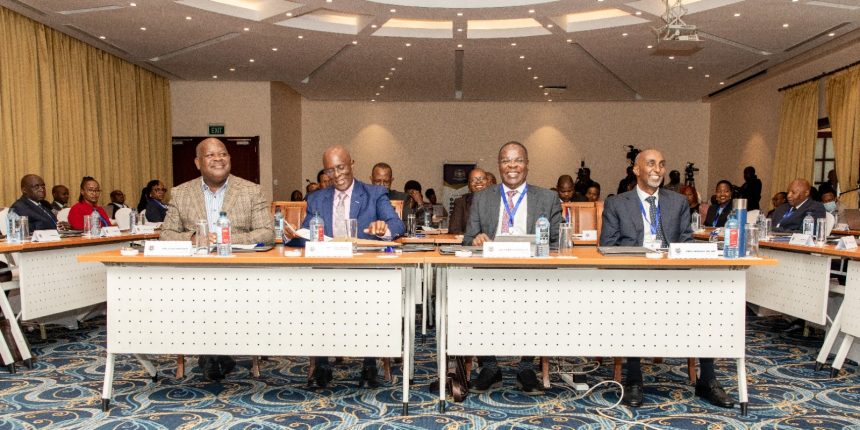
The justice sector forum, taking place in Nakuru, brings together key institutions to align efforts within their respective mandates and enhance coordination in combating corruption and economic crimes.
The dialogue was officially opened by Mwaniki Gachoka, Judge of the Court of Appeal, on behalf of Chief Justice Martha Koome. He was joined by George Murugara, Chairperson of the Justice and Legal Affairs Committee of the National Assembly, EACC Chairperson David Oginde, and EACC Chief Executive Officer Abdi Mohamud.
In a speech delivered on her behalf, Chief Justice Koome underscored milestones achieved through the National Council on the Administration of Justice (NCAJ), which she chairs. She noted that the council has strengthened efficiency and effectiveness across the justice chain, from investigation to prosecution and adjudication of corruption cases.
She highlighted key gains made over the past year, including the rollout of the Anti-Corruption Strategic Guidelines Framework for Kenya’s Justice Sector and the Guidelines for the Expeditious Trial of Corruption and Economic Crime Cases in Special Magistrates’ Courts, launched in March and October 2025 respectively.
“The primary objective of these guidelines is to ensure the just, fair, timely and expeditious disposal of corruption and economic crime cases,” she said.
The Chief Justice further challenged stakeholders to critically examine investigation timelines, prosecutorial preparedness, and case management within the courts. She urged sustained coordination among institutions and reaffirmed the Judiciary’s commitment to strengthening its role in the justice chain.
In his welcoming remarks, EACC CEO Abdi Mohamud emphasized the need for a cohesive and coordinated justice sector that delivers on public expectations. He noted that the dialogue is anchored on the NCAJ’s mission to promote a consultative approach in the administration of justice by bringing together key actors to jointly develop and implement reform priorities in the criminal justice system.
EACC Chairperson David Oginde called for a united front in the fight against corruption, stressing the interdependence of institutions despite their constitutional independence.
“When spider webs unite, they can tie up a lion. Working together presents an opportunity to defeat the dragon of corruption,” he said.
Dr. Oginde further urged participants to candidly confront existing challenges, collaborate across institutional boundaries, and commit to translating deliberations into concrete action.
The forum has drawn participation from a broad spectrum of institutions, including the Judiciary, the Directorate of Criminal Investigations (DCI), the Office of the Director of Public Prosecutions (ODPP), the Commission on Administrative Justice (CAJ), the Kenya Revenue Authority (KRA), the Kenya Private Sector Alliance (KEPSA), and Transparency International Kenya, among others.
The dialogue continues with expert presentations and stakeholder engagements aimed at advancing Kenya’s anti-corruption agenda.