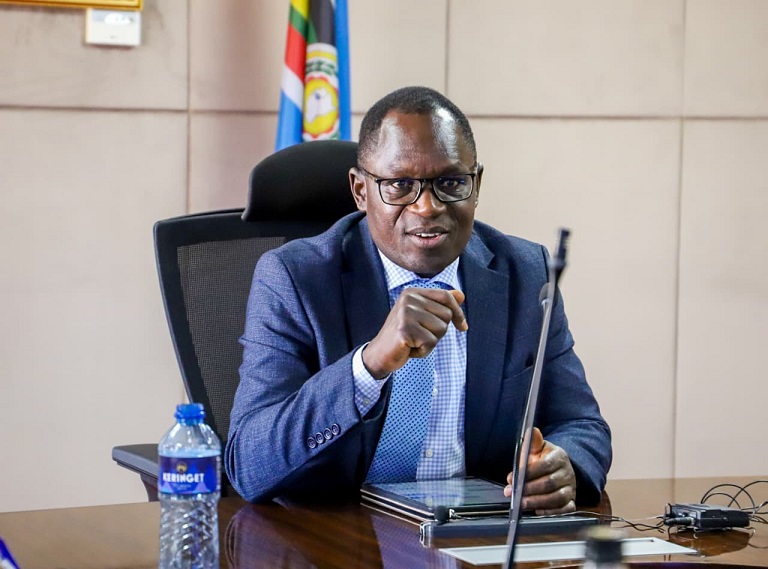
Kenya could add nearly Ksh 662 billion to the economy by adopting international best practices to manage its spectrum according to GSMA Global delegation who have visited the country.
While meeting the team in Nairobi, Broadcasting and Telecommunications Principal Secretary Stephen Isaboke said the government is currently focusing on ensuring their is inclusion and adoption of digital technologies after building a strong digital foundation.
Kenya currently boasts approximately 98pc 4G population coverage, positioning it among Africa’s top digital performers and reinforcing its reputation as a regional innovation hub. However, stakeholders acknowledged that coverage alone does not guarantee usage.
“Our responsibility as government is to ensure that every regulatory decision, whether on spectrum, licensing, or new technologies, directly addresses a national need. The question we must always ask is: what gap are we closing?” said Isaboke.
Kenya faces a 60pc usage gap, meaning millions are within network reach but are not actively using mobile internet services. Without targeted interventions, studies suggest it could take decades to close this gap.
GSMA Global Head of Spectrum Luciana Camargos emphasized the scale of opportunity tied to predictable and affordable spectrum frameworks.
“If Kenya adopts international best practices in spectrum pricing, transparent roadmaps, and efficient licence renewals, the country could unlock up to Ksh 662 billion in additional GDP by 2028. The potential impact on jobs and tax revenue is significant,” she said.
The GSMA Digitalisation Report on Kenya indicates such reforms could also raise tax revenues by approximately Ksh 150 billion while accelerating digital adoption, innovation, and private sector investment. The delegation encouraged evidence-based engagement to ensure long-term policy predictability and investor confidence.
Discussions also centred on emerging satellite connectivity and direct-to-device (D2D) services, which increasingly complement terrestrial networks globally.
“Innovation is welcome. Satellite technology can help us reach remote areas. But it must complement, not destabilize, the mobile infrastructure that already serves millions of Kenyans,” he noted.
He stressed that new entrants positioning themselves as rural connectivity solutions must demonstrate clear rollout plans, measurable commitments, and alignment with Kenya’s universal service objectives.