In Hamisi, many young people know what it means to work hard and still feel stuck.
They wake up early, chase small opportunities, sell what they can, and hope the day brings enough to keep them moving.
For some, it is farm produce. For others, small retail, tailoring, beauty services, boda boda work or casual labour.
More often, it is the lack of a system that can help those ideas grow into stable income.
That is the problem the Lomosi Foundation is now stepping in to solve.
Last week, the Foundation convened and on boarded 268 youth in Hamisi Sub-County under the Youth Economic Activation Program (YEAP), the first cohort in a wider 2026 to 2028 program targeting 700 youth across Vihiga County.
The initiative is designed to help young people move from survival hustles into sustainable enterprises through structured business training, enterprise group formation, access to capital pathways, shared production equipment and direct market integration.
For the Lomosi Foundation, the goal is not simply to inspire youth, but to build a system around them.
“This program is about giving young people in Vihiga a real chance to build something lasting,” said Andrew Lomosi, Chair of the Lomosi Foundation. “Our youth are hardworking,creative and determined, but too many are left to struggle without the markets, financing and support systems that businesses need. YEAP is about changing that.”
The program brings together a coalition of partners, including the Micro and Small Enterprises Authority (MSEA), Kingdom Bank and the Vihiga County Administration,creating an ecosystem that links youth enterprise development, financial inclusion and government support.
For Ann Wanjiru Executive Director of the Lomosi Foundation, the strength of the initiative lies in its practical design.
“We have seen for many years that young people do not just need encouragement. They need structure,” she said. “They need access to training, they need customers, they need equipment, and they need institutions that believe in their ability to succeed.YEAP brings those pieces together in one platform.”
That platform includes one of the program’s most ambitious features, VIBES Market, the Vihiga Integrated Business E-System, a youth-powered e-commerce platform designed to connect enterprises directly to consumers and institutional buyers.
The initiative also includes an electric bike delivery network, intended to create green jobs while solving last mile distribution challenges for youth-led businesses.
In counties such as Vihiga, where many young people are concentrated in small informal ventures, access to reliable markets and business support can determine whether a hustle remains hand-to-mouth or grows into a sustainable enterprise. That wider challenge is reflected in recent Kenyan reporting on youth job creation and the limits of support systems that stop at training alone.
Philip Maobe, MSEA Regional Head Western, said enterprise development support will be key to helping youth businesses move beyond subsistence.
“Our role is to help ensure these young entrepreneurs are not just starting businesses, but building enterprises with real potential to grow,” he said. “We want to see youth in Vihiga moving from informal survival activity into structured enterprises that can create jobs and strengthen local value chains.”
The presence of Vihiga County Commissioner Peter Maina underscored the role of public leadership in supporting youth-driven growth.
“This is the kind of collaboration that can make a real difference in people’s lives,” he said.
“When government, development actors and the private sector work together around a
shared purpose, young people get more than promises, they get opportunity.”
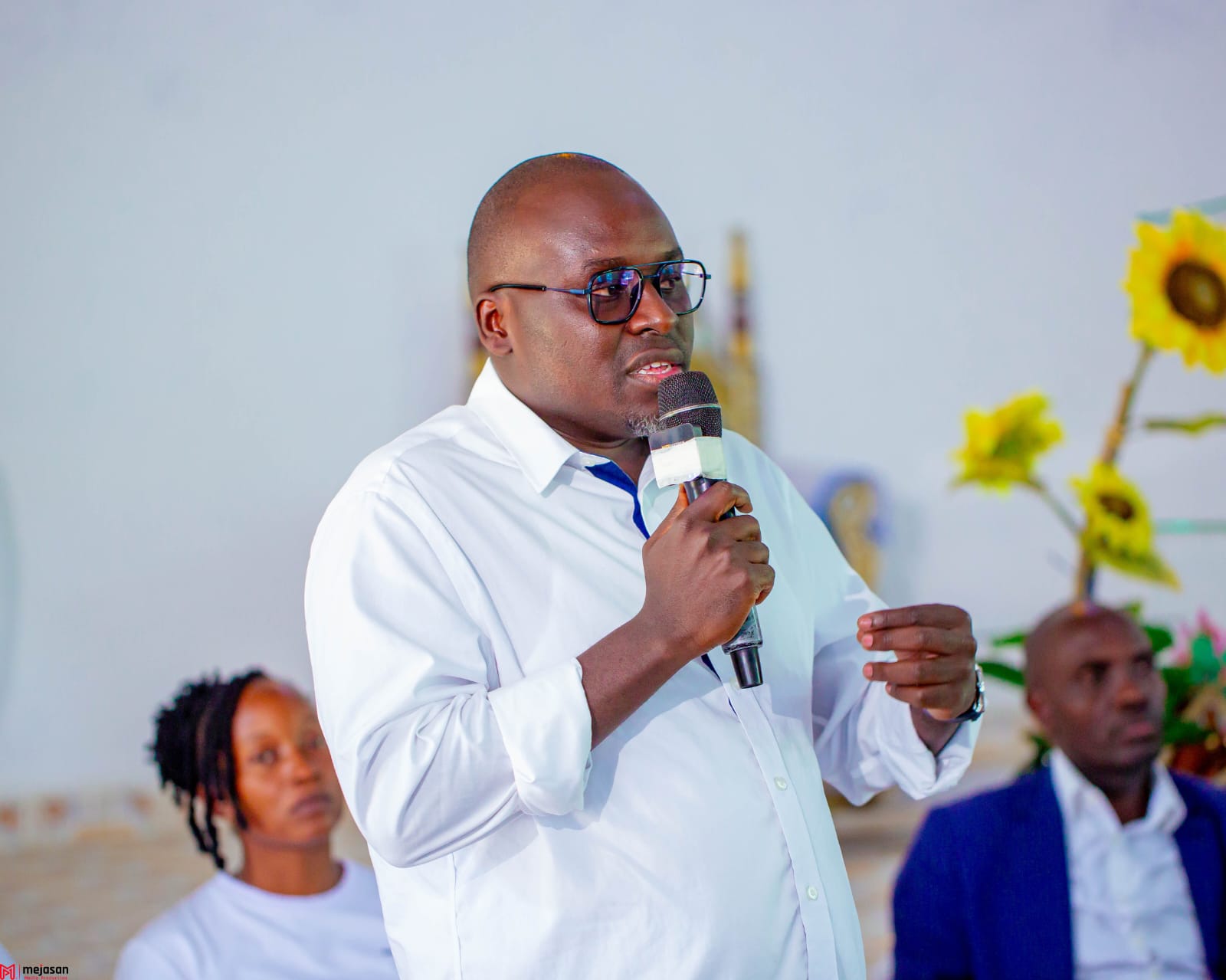
For the financial sector, the question is also about access. Stephen Ngaruiya, Head of Youth Banking at Kingdom Bank, said many young entrepreneurs do not fail because they lack ambition, but because they are locked out of systems that help businesses grow.
“Financial inclusion must be part of the youth empowerment conversation,” he said. “If young people are serious about building businesses, then banking institutions must also be serious about walking that journey with them. That is why this partnership matters.”
What makes YEAP compelling is that it does not focus on only one problem. It tries to solve
the full chain, skills, structure, finance, production, market access and delivery.
For a young entrepreneur in Hamisi, that can mean the difference between waiting all day
for one customer and reaching buyers through a wider digital platform.
It can mean belonging to a business group instead of struggling alone. It can mean serving more
customers because delivery is no longer a barrier. It can mean, for the first time, seeing a hustle not as a daily gamble, but as the beginning of a business.
By bringing together MSEA, Kingdom Bank and government leadership, the Foundation is positioning itself not just as an organizer, but as the solution provider connecting youth ambition to the tools and partnerships needed for growth.
If the program succeeds, its impact could reach far beyond the first 268 youth already activated in Hamisi.
It could strengthen household incomes, create peer employment, support local enterprises and give young people in Vihiga a reason to believe that their future can be built at home.
And for a county where too many young people have spent years being told to wait, that may be the most powerful promise of all ;A market, a delivery system a pathway to capital a structure for growth and finally, a reason to hope.