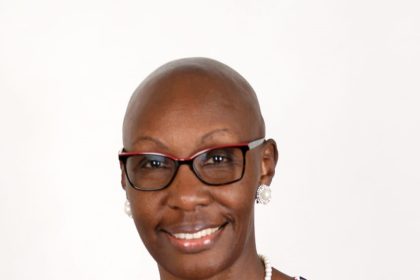
When 54-year-old Miriam, a vegetable vendor from Kajiado, was diagnosed with hypertension, she didn’t fear the disease as much as the cost of staying alive.
“Some months I’d have to skip my medicine to pay school fees,” she says. “Other times, I’d buy cheaper ones from informal sellers, but they didn’t work.”
Her story mirrors that of millions of Kenyans battling chronic illnesses like diabetes,hypertension, and asthma conditions that require lifelong medication.
Yet 70% of patients in Kenya fail to adhere to treatment due to high costs, poor access, or counterfeit drugs that flood the market.
According to the World Health Organization, up to 20% of medicines in Africa are either substandard or fake, exposing patients to ineffective or dangerous treatments.
Dr Samuel Mugo, a Nairobi-based pharmacist and lecturer, explains:
“A counterfeit tablet can look identical to a genuine one but may have no active ingredient at all or, worse, contain toxic substances. It’s not just a health issue; it’s a moral crisis.”
To tackle this, Thalia Psychotherapy, through its health-access initiative Mindful Refill, is offering a practical, tech-driven solution: verified supply chains, bulk buying to reduce prices, and a digital system that allows patients to order and refill medication through USSD or WhatsApp, all while ensuring authenticity and affordability.
Recently, Ayesha Naeem, the newly appointed Head of Mindful Refill, toured facilities across Nairobi, Kajiado, and Machakos Counties to see the program’s progress and meet both pharmacists and patients.
Though based in Pakistan, Ayesha says her visit was about “understanding the heartbeat of the mission.”
“Medication shouldn’t be a privilege,” she said. “When a mother skips her blood pressure pills because they cost more than food, that’s a collective failure. Mindful Refill is about restoring consistency, trust, and peace of mind because untreated chronic illness is one of the biggest sources of family distress.”
Ayesha, a Doctor of Pharmacy (PharmD) graduate from Hamdard University, Karachi, has worked with GSK and Geofman Pharmaceuticals, where she specialised in quality assurance and regulatory affairs.
Her experience gives her a unique edge in maintaining the program’s pharmaceutical integrity while scaling affordability.
During her visit, Ayesha and the Thalia team observed firsthand how verified suppliers and local pharmacies working under the Mindful Refill model are already cutting medication costs by up to 45%, helping patients like Miriam access reliable drugs on time.
Antony Okungu, Thalia’s Chief Strategy & Growth Officer, noted that this initiative goes beyond healthcare logistics.
“The inability to afford or find medication is one of the leading causes of stress and depression among patients and carers. By ensuring affordable and genuine drugs, we’re addressing both physical and mental health in one ecosystem.”
Thalia’s broader goal is to integrate Mindful Refill into Kenya’s universal health coverage framework, making affordable, verified chronic medication available across every county.
As for Miriam, she sums up what success looks like:
“Now I get my medicine every month, on time, and I don’t have to worry if it’s real. I can finally breathe literally and financially.”
Mindful Refill, led by Thalia Psychotherapy Global, is proving that solving Africa’s mental health crisis sometimes starts with something as simple and profound as a safe, affordable pill.