Kenya has joined Costa Rica, Egypt, and Ghana in spearheading a renewed global effort to tackle snakebite envenoming (SBE)—a neglected health threat responsible for over 100,000 deaths annually.
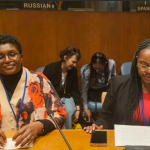
Representing Kenya at the 78th World Health Assembly (#WHA78), Principal Secretary for Public Health and Professional Standards, Mary Muthoni, noted that ending preventable deaths from snakebites is not only achievable but a moral imperative.
The high-level meeting was convened by Dr Socé Fall, Director of the WHO Department for the Control of Neglected Tropical Diseases.
It assessed progress toward the WHO’s 2030 targets for SBE and mobilised international support for the Strike Out Snakebite (SOS) initiative.
“Discussions underscored the urgency of elevating snakebite envenoming on global health and policy agendas, expanding access to lifesaving interventions, and ensuring the equitable availability of antivenoms and essential treatments”, she said.
Universal Health Coverage
Earlier, the PS was also hosted at the World Health Expo, where she spearheaded a conversation on the centrality of Primary Health Care (PHC) as the cornerstone of Universal Health Coverage (UHC).
“With approximately 80% of essential health services delivered at the PHC level, it is evident that this is where health systems truly begin and where focused investment yields the greatest impact”, she said.
She outlined Kenya’s pioneering reforms in health financing, including the rollout of the Social Health Insurance Fund, the implementation of targeted budgetary allocations, results-based financing mechanisms, and the integration of digital innovations.
“These measures are designed to promote accountability and efficiency in health service delivery across all 47 counties”, she noted.
The event convened a diverse group of global health leaders, who reaffirmed a collective commitment to strengthening health systems through sustainable domestic financing, innovative technologies, and sound governance frameworks.
Egypt, Ghana, Botswana, and India joined Kenya in championing the mobilisation of domestic resources, the use of digital tools such as mobile money platforms and biometric verification systems, and enhanced cross-country collaboration to foster shared learning and drive improved health outcomes.