The Kenya Livestock Commercialization Project (KeLCoP) is set to receive additional Ksh 7.1 billion to extend the project beyond 10 counties who are current beneficiaries.
The project jointly funded by Kenya government and the International Fund for Agricultural Development (IFAD) has also secured a four-year extension, providing an opportunity to scale up interventions in improved livestock breeds, climate-smart production, youth-led agribusiness and market linkages.

In phase one of the project, 83,000 households across 10 counties have been beneficiaries of improved livestock production, water infrastructure and market access.
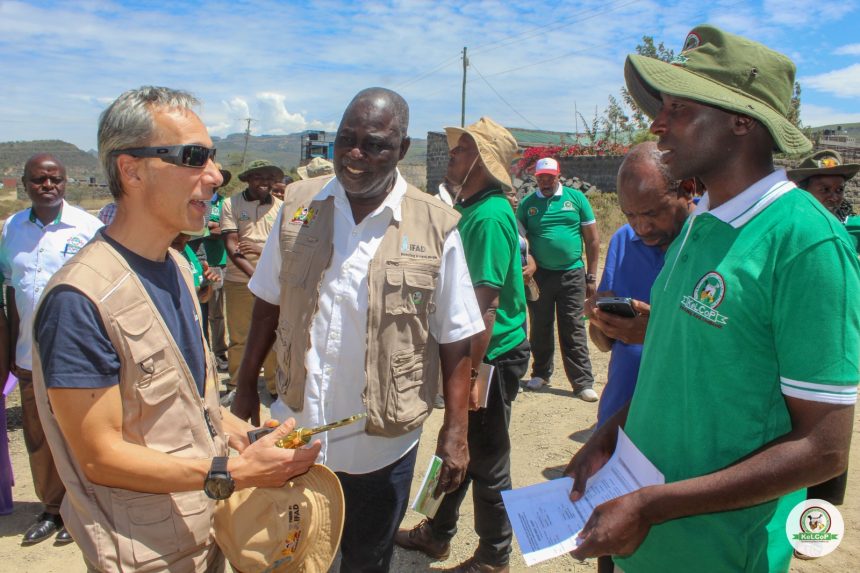
This emerged during a joint supervision mission led by IFAD Country Director for Kenya Matteo Marchisio who visited Siaya, Busia, Bungoma, Kakamega, Baringo and Nakuru counties to assess progress, document achievements and identify priorities for the project’s next phase.
KeLCoP which is a joint initiative funded by Kenya and IFAD targets to help smallholder farmers and pastoralist households transform livestock keeping into commercially viable enterprises.
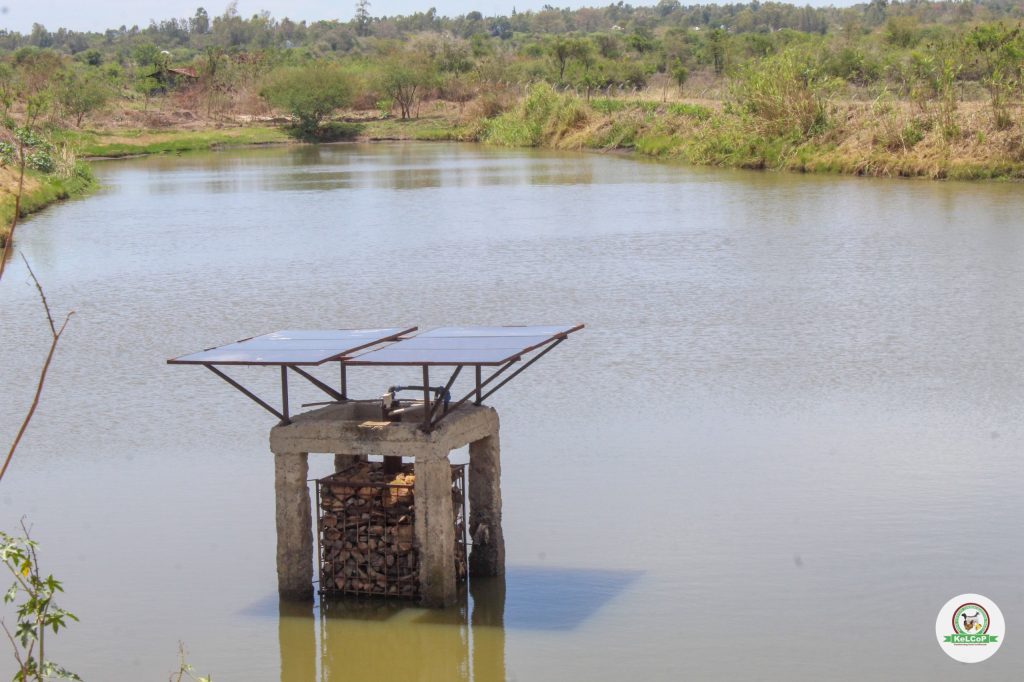
Development of water infrastructure such as boreholes and water pans have become key interventions helping communities cut time spent searching for water, a move which has seen improvement in animal health and has supported income-generating activities such as vegetable farming, fodder production and beekeeping.
To ensure farmers have access to markets, KeLCoP is also investing in livestock markets, slaughterhouses, hay stores and value-addition facilities to improve livestock trading and strengthen market access.
This has resulted in addressing livestock theft, strengthen disease control and establish clearer trading procedures.
Several slaughterhouses have been commissioned, while others are nearing completion before being handed over to local cooperatives and management committees.
Beekeeping has also emerged as another important source of income for beneficiary groups. Through support in beehives, harvesting kits and processing equipment, farmers have increased their production capacity and improved the commercial value of their honey.
With additional financing and an extended implementation period, KeLCoP aims to consolidate the progress made, reach more households and strengthen commercially viable, climate-resilient livestock enterprises.
The broader objective is to improve the incomes and livelihoods of smallholder farmers and pastoralist communities while contributing to food and nutrition security across the project’s 10 target counties.