A parliamentary committee has launched investigations into allegations that imported raw industrial sugar deemed unfit for direct human consumption may have been repackaged and sold to unsuspecting consumers.
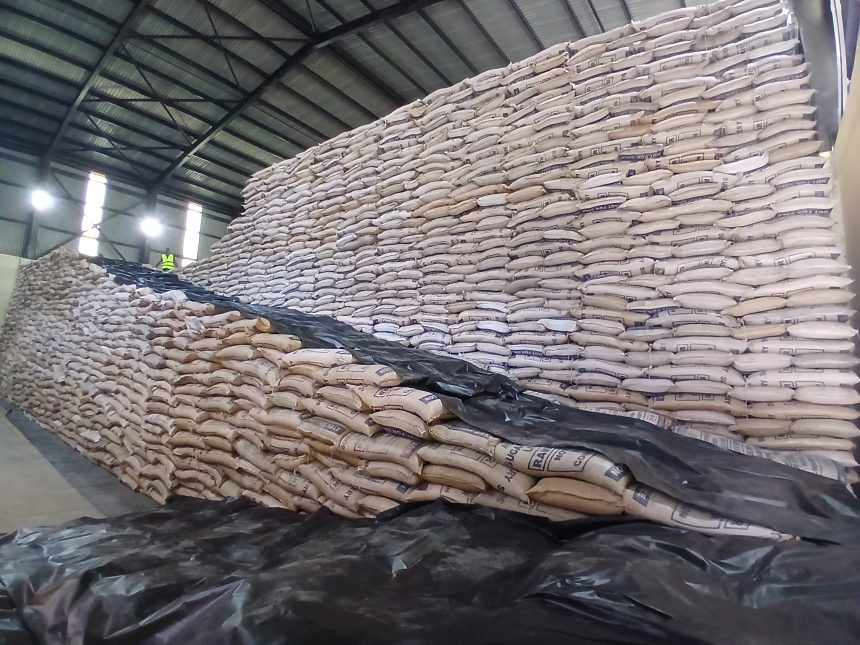
The National Assembly Committee on Trade, Industry and Cooperatives, led by chairman Bernard Shinali, visited Kibos Sugar and Allied Industries and its subsidiary refinery in Kisumu as part of a fact-finding mission tracing consignments of imported raw industrial sugar from the Port of Mombasa to Kisumu amid growing public concern over its intended use.

The lawmakers’ visit comes days after a similar inspection at the company’s Mombasa operations, where they sought to establish whether the imported sugar was being processed in accordance with regulations or finding its way into the retail market.
Speaking after the inspection, Shinali said the committee had established that the sugar was imported through the Port of Mombasa and transported to Kisumu for refining into industrial sugar used by manufacturers.
“We found stocks of raw sugar at the port and were informed by the agencies responsible for clearing the consignment that it was destined for Kisumu. Some of it was moved by rail through inland container depots before being brought here for processing,” he said.
The committee inspected stocks at the refinery and observed ongoing test runs on processing equipment.
Shinali maintained that the sugar in its imported form was not fit for direct human consumption and could pose health risks if sold to consumers without undergoing the required refining process.
“The raw sugar is not fit for human consumption in the form it is currently in. It must be refined into industrial sugar. If it reached the market in its current state, it would be harmful,” he said.
He noted that the committee had requested importation permits, customs records, health certificates and other regulatory documents to establish whether all legal procedures were followed and whether sufficient safeguards existed to prevent diversion into the consumer market.
The committee is working alongside a multi-agency team comprising the Kenya Sugar Board, Kenya Revenue Authority, Kenya Bureau of Standards, security agencies and other government institutions tasked with monitoring the movement and processing of the sugar.
Shinali said the lawmakers were yet to make a conclusive determination on whether any of the sugar had leaked into the market, adding that investigations were still ongoing.
“That is why we are here. We are concerned and want to ensure all safety measures are in place so that the sugar is properly refined and does not enter the market in its current form,” he said.
The committee also raised concerns about gaps in the legal framework governing industrial sugar imports, warning that weak regulation could create opportunities for abuse.
“Worryingly, we do not have adequate legislation around the importation of industrial sugar. We must establish what safeguards exist to ensure sugar imported for industrial use does not end up on consumers’ tables,” Shinali said.
The probe has also reignited concerns among farmers in sugar-growing regions over the impact of imports on local production.
However, Shinali noted that Kenya still lacks sufficient quantities of sugar suitable for industrial use, forcing manufacturers to rely partly on imports.
Attempts by members of the committee to carry samples of the raw industrial sugar and packaged industrial sugar found at the factory were thwarted by the management who insisted that the refined sugar had not been certified by all the relevant government agencies.
Kibos Sugar and Allied Industries Chairman Raju Chatthe dismissed allegations that the company was repackaging imported raw sugar and selling it directly to consumers.
Raju told the committee that the imported consignment was intended solely for refining into industrial sugar used by beverage, food processing and other manufacturing industries.
He said the company was operating fully within the law and urged leaders not to politicize the investment.
“This project is a major industrial investment and should not be politicized. We have complied with all legal and regulatory requirements governing the importation and processing of industrial sugar,” he said.
He described the Kisumu-based refinery as the only dedicated industrial sugar refinery in the East African region and said it was still undergoing commissioning and test runs.
According to Raju, no sugar from the refinery had been released into the market.
“The refinery is currently undergoing test runs and machine calibration. No product from this facility has been released for sale,” he said.
He added that the company had brought on board all relevant government agencies to ensure full compliance with customs, health, food safety and quality standards.
Raju said the firm welcomed scrutiny from both Parliament and regulators, insisting that the imported sugar was being processed strictly in accordance with approved procedures.
“We are not a roadside factory neither are we operating outside the confines of the law,” he said.
The committee is expected to retreat to Nairobi to review documents and evidence gathered during the inspections before compiling a report to be tabled in Parliament.
Kibos Sugar Management is also expected to be summoned to the National Assembly by the committee to address pending issues in the probe.
The findings are likely to shape future regulation of industrial sugar imports and determine whether any breaches occurred in the handling of the controversial consignment.