Kenya needs to strengthen screening, referral and continuity of care for retinal diseases as the growing number of people diagnosed with diabetes and an ageing population increase the risk of preventable vision loss, doctors have warned.
More than 813,000 adults in Kenya are living with diabetes, with over 54 per cent of cases currently undiagnosed, according to the International Diabetes Federation.

Vitreoretinal surgeon Dr Mahesh Chandargi warns that one in four people living with diabetes may develop diabetic eye complications.
“Diabetes is the leading cause of low vision in working-age adults. It is estimated that diabetic retinopathy affects up to 41 per cent of Kenyan adults living with diabetes,” he indicated.
Dr Chandargi emphasised that the absence of symptoms in the early stages makes regular screening particularly important, as some patients only seek care after their condition has become advanced.
“This is an everyday condition in retinal practice and not just an occasional diagnosis, hence the need for regular eye screening and timely treatment,” he explained.
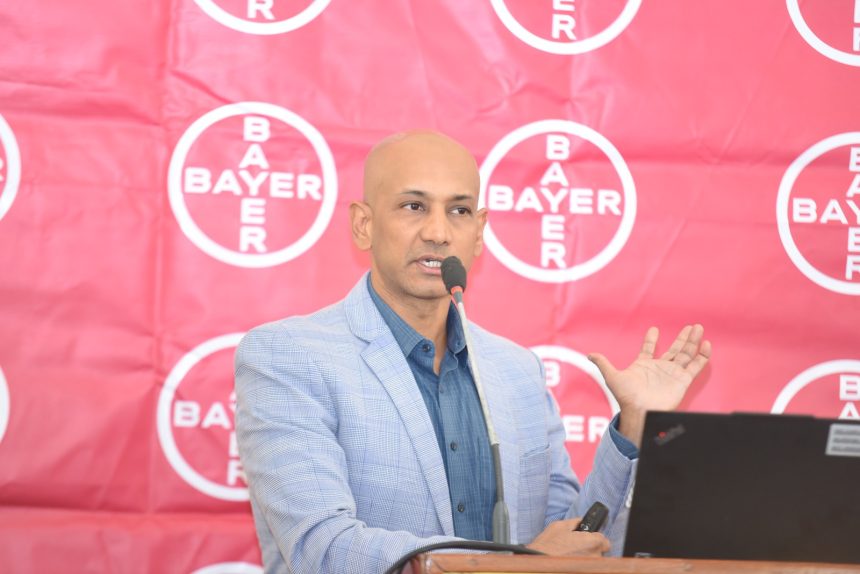
Dr Chandargi was speaking during a stakeholder media breakfast hosted by Bayer under the theme “Transforming Eye Care in Kenya: Improving Access, Strengthening Partnerships, and Supporting Better Patient Outcomes.”
However, access to specialised retinal services remains limited, with about 10 retinal specialists working in seven centres, mainly in Nairobi.
Patients living far from specialist facilities may have to travel long distances and incur additional costs to access treatment, a challenge that is compounded by the need for repeated treatment and follow-up for some retinal conditions.
Dr Chandargi says 30 to 40 per cent of patients either do not complete treatment or are lost to follow-up, increasing their risk of permanent vision loss, loss of employment and reduced independence.
Financial burden of care remains a major challenge
A 2020 study on diabetes care in public health facilities in Kenya found that catastrophic healthcare spending among people with diabetes increased from 63.1 per cent to 75.4 per cent when transport costs were included.
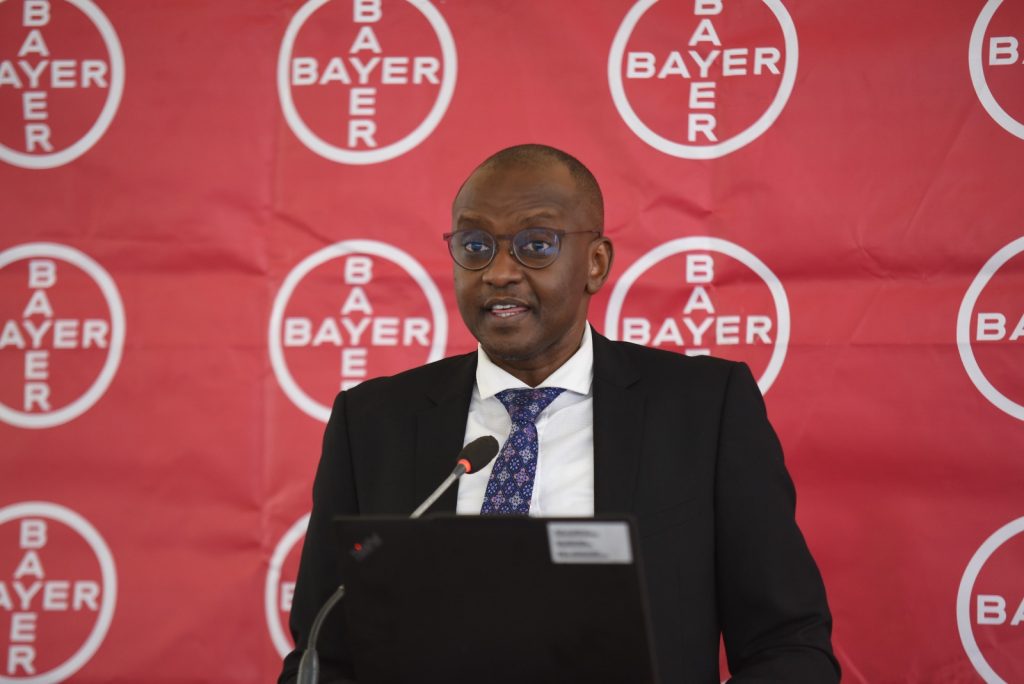
Medical Governance and Excellence Lead at Bayer for Sub-Saharan Africa, Dr Jack Kileba, says Kenya needs to strengthen eye-care services beyond specialist centres.
Kileba called for better screening and referral systems linking community and county-level services to specialist care, saying county and Level 5 hospitals should be equipped to provide screening and early detection.
He said healthcare workers, including nurses, pharmacists and opticians, should be trained to identify patients who require specialist attention, while affordable and portable equipment could help extend diagnostic services beyond major centres.
“As someone ages, their retina degenerates,” Kileba said, stressing the growing need for services targeting age-related eye conditions as life expectancy increases.
Research indicates that more than 80 per cent of blindness in Kenya is caused by curable or preventable conditions, while an estimated 15.5 per cent of Kenyans, equivalent to about 7.5 million people, require quality eye-care services.
Dr Kileba further urged stronger collaboration between government, healthcare professionals, industry, patient organisations and non-governmental organisations to reduce the risk of permanent vision loss among Kenyans.
“If we want fewer Kenyans to lose vision unnecessarily, we must act earlier, connect patients better, and work together more deliberately,” he stated.