In many Kenyan homes, food waste shows up at the end of the day- the leftover ugali that nobody went back to, or the chicken that got pushed to the back of the fridge and quietly forgotten. We notice it then. But the decision that caused it was made much earlier.
It was made at the butchery. Or the supermarket. Or wherever we last bought meat.

Meat is central to how most of us eat, and it’s also one of the most expensive things in the shopping basket, which makes it all the more frustrating when it goes to waste; bought with good intentions, stashed in the freezer, and eventually thrown out.
It happens more than we’d like to admit, and usually for simple reasons: we bought too much, we weren’t sure what we needed, or we just bought the same amount we always do.
Small changes at the point of purchase make the biggest difference here, and the Mtaani Butchery is actually one of the better tools we have for this.
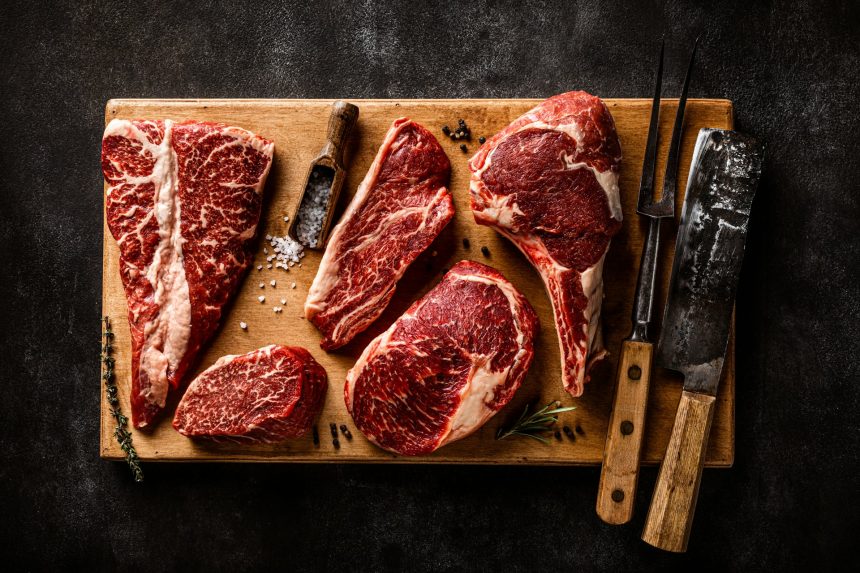
Unlike pre-packed supermarket trays, where you take what’s there, your neighbourhood butchery lets you buy exactly what you need. Half a kilo. A specific cut. Just enough for tonight. That flexibility is the point, and it directly reduces the amount that ends up wasted.
This is something the newer generation of structured butcheries, like Kenchic Mtaani, is building on.
The neighbourhood convenience is still there, but layered with consistent quality, proper hygiene, and staff who can actually advise you on portions or recommend a cut for a specific meal.
That kind of guidance matters more than people realise. Knowing that 400 grams is genuinely enough for a family of four, not just feeling like it should be, is what stops the overbuying.
There’s also the habit of bulk-buying worth reconsidering. Many of us stock up and freeze, telling ourselves it’s more practical. Sometimes it is. But more often, meat bought in bulk gets forgotten, hidden behind other things in the freezer, then discovered months later in a state nobody wants to cook.
Buying smaller quantities more regularly, from a butchery that’s close by and easy to visit, is often a more honest approach.
There’s a financial case for all of this, which is obvious. But there’s also something beyond money. Every piece of meat that goes to waste represents feed, water, labour, and farming effort.
Wasting it isn’t just a household budget problem; it’s a real cost that runs further back up the chain than most people think about at the moment of shopping.
None of this requires complicated behaviour change. It starts at the butchery, asking for the right amount, understanding your portions, and buying with a clear meal in mind rather than a vague sense of plenty.
That’s a habit worth building. And your neighbourhood butchery is a good place to start.
Philip Maina is the Chief Commercial Officer at Kenchic PLC.