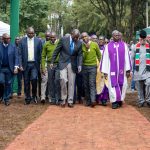
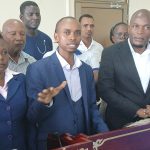
Over 200 learners with special needs at a school in Nairobi are set to acquire hands-on skills in sustainable food production, thanks to a new initiative aimed at enhancing food security and climate change education.
This follows a partnership between Treeside Special School and the Green Generation Initiative (GGI), a youth-led environmental organization, to establish a permaculture learning and feeding garden, a food forest, and a poultry unit with 250 chickens for egg production.
Led by climate activist and GGI founder Elizabeth Wathuti, the project combines modern farming technology with indigenous knowledge to equip learners with practical skills in climate-smart agriculture.
“We’ve been working on an exciting project that is especially close to our hearts,” said Wathuti.
“The chicken coop is now providing over 6,000 eggs every month; ensuring a reliable protein supplement for the school’s feeding program. The hydroponic garden, which saves up to 80% of water, is already producing harvests and will yield up to 20 kilograms of nutritious vegetables per day at its peak.”
The project is part of ongoing efforts to implement the Competency-Based Curriculum (CBC) in special needs institutions by offering inclusive, skill-based learning.
The initiative also supports income generation, with surplus eggs sold to meet operational costs.
“We are so grateful, we can’t explain. It is beyond us,” said Salome, Head Teacher at Treeside Special School. “Meeting the nutritional needs of our learners has always been difficult due to limited funds. This project has solved that problem.”
The Treeside garden is now a designated Centre of Excellence in climate-smart agriculture, offering learning opportunities for nearby schools, Eco-Clubs, and the wider community.
The launch event was attended by government officials, diplomats, civil society, and development partners including Mercy Corps, The Nature Conservancy, and Safaricom Foundation.