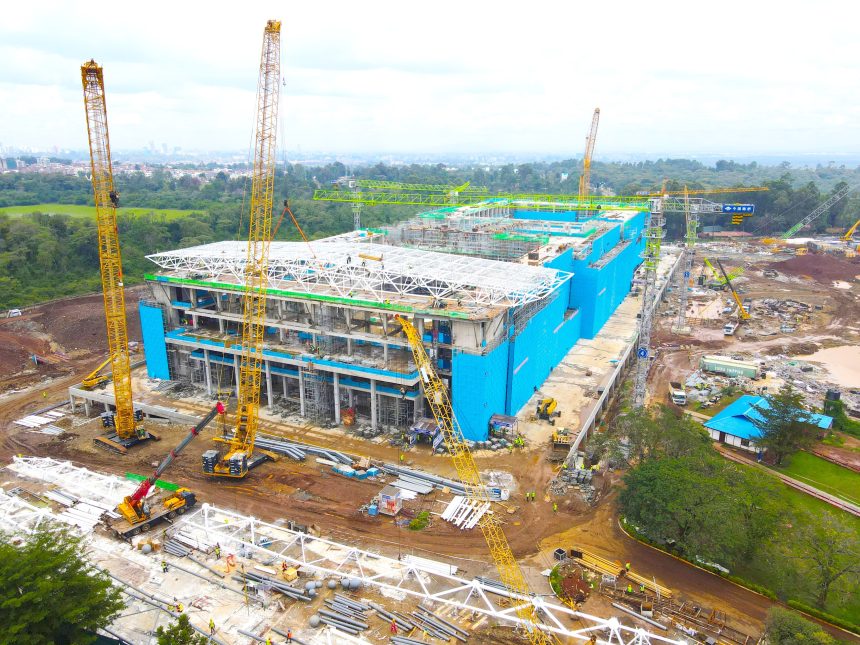
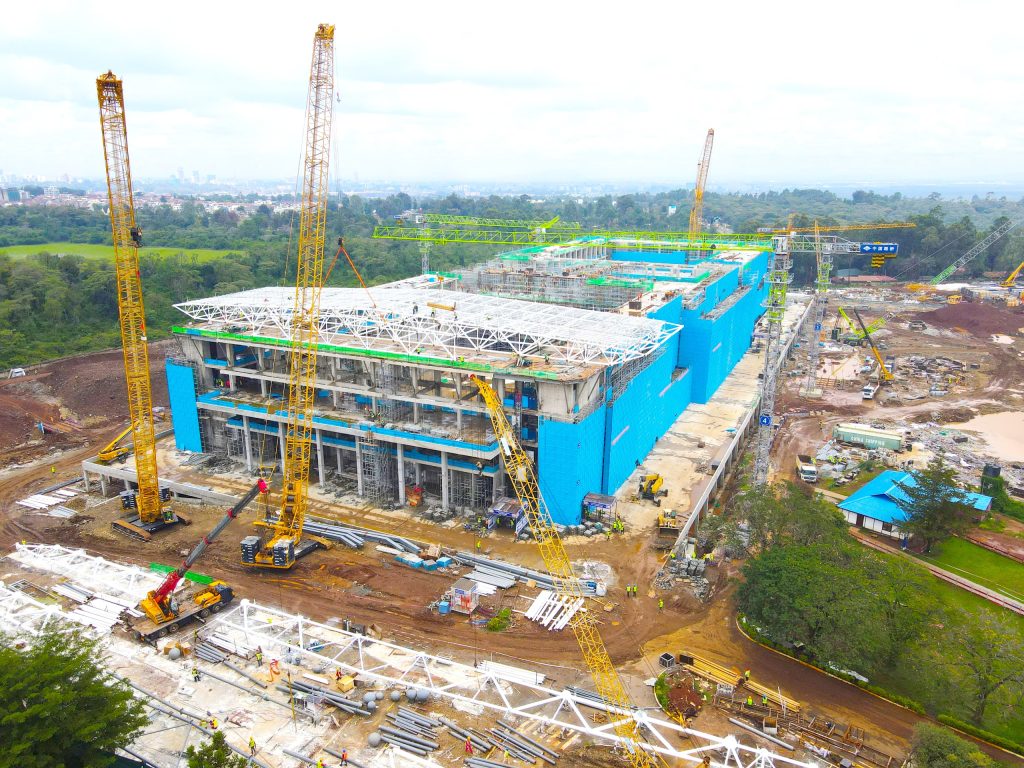
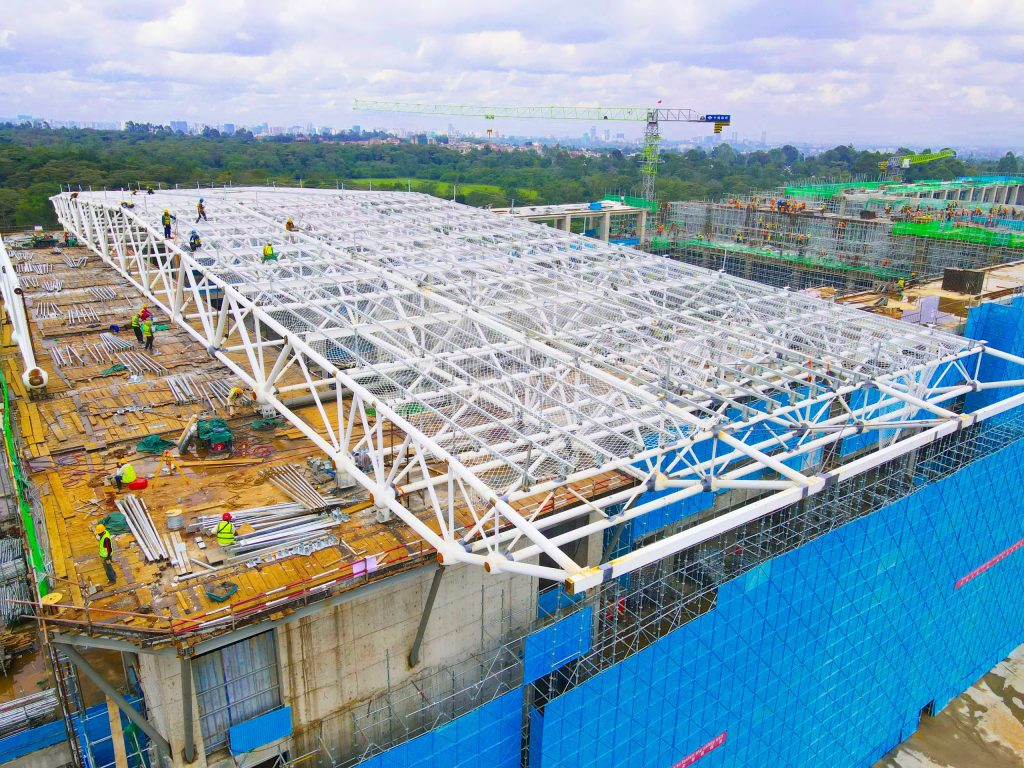
A drone shot of the expansive BICC at 40% completion highlights the scale of progress. According to Lieutenant Colonel Wilfrida Amondi, the Kenya Defence Forces (KDF) architect and Project Officer, the site records over 2,500 workers daily as construction advances. The project is being managed by the Ministry of Defence, leveraging its engineering expertise and project management capacity, similar to its role in delivering major national infrastructure such as Talanta Stadium.
SHARE
Kenya’s economic transformation in the tourism sector is anchored on the development of world-class facilities that attract and sustain visitor demand across key segments, including Meetings, Incentives, Conferences and Exhibitions (MICE). By strengthening this infrastructure, Nairobi is increasingly positioning itself as a premier destination for business tourism, unlocking opportunities across the broader tourism value chain.
The development of facilities such as the 11,000-seat Bomas International Convention Centre (BICC) signals a strategic shift towards making Nairobi a competitive global conferencing hub. The economic transformation driven by MICE extends beyond the conferencing space, catalysing growth across multiple sectors, including hospitality, accommodation, tours and travel, transport and logistics, retail, and the creative economy.
- Advertisement -
As visitor numbers increase, so does demand for services, driving the movement of people, goods, and economic activity across the city and beyond. Players in the sector say that high-quality tourism infrastructure acts as a multiplier, enabling Nairobi to attract global visitors while generating jobs, income, and business opportunities across interconnected sectors, thereby reinforcing the city’s central role in Kenya’s broader economic transformation agenda.
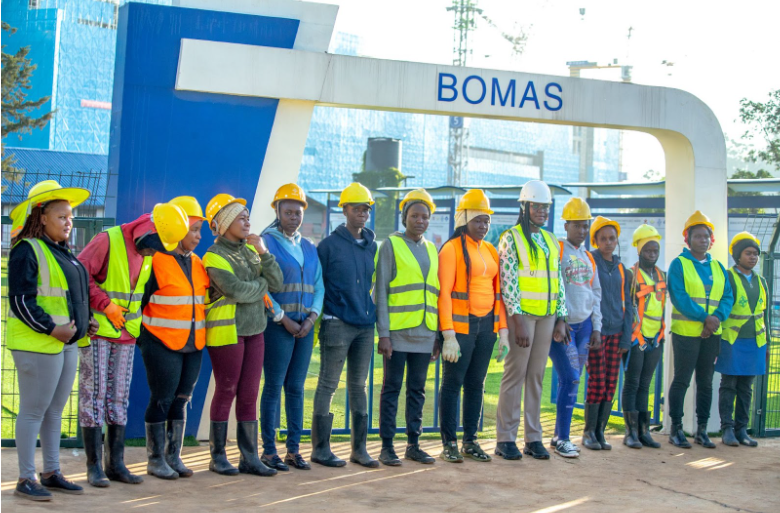
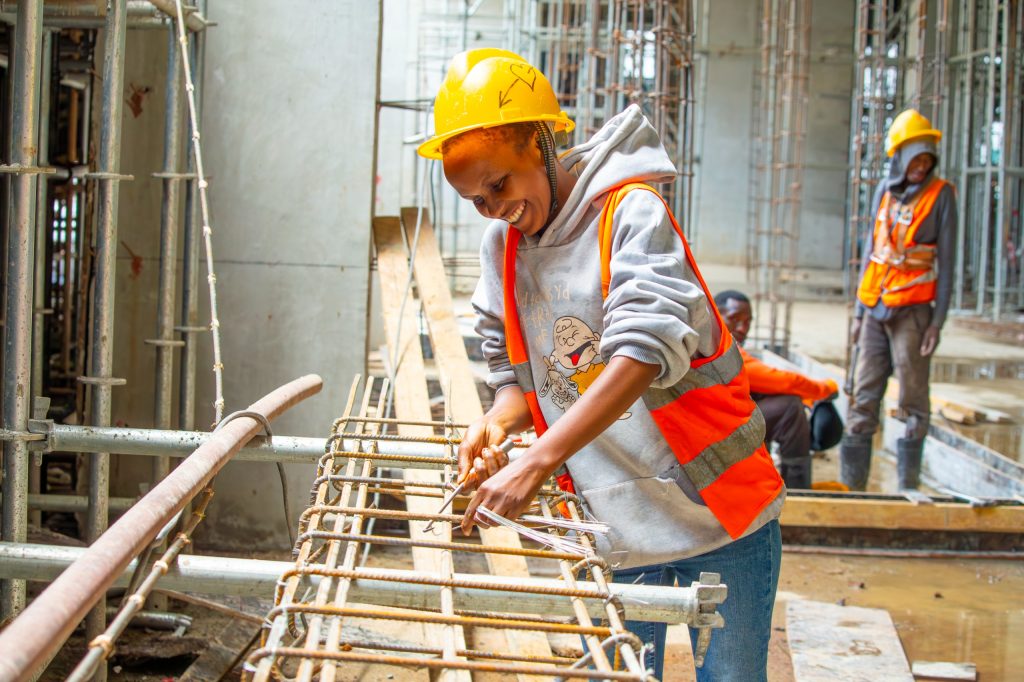
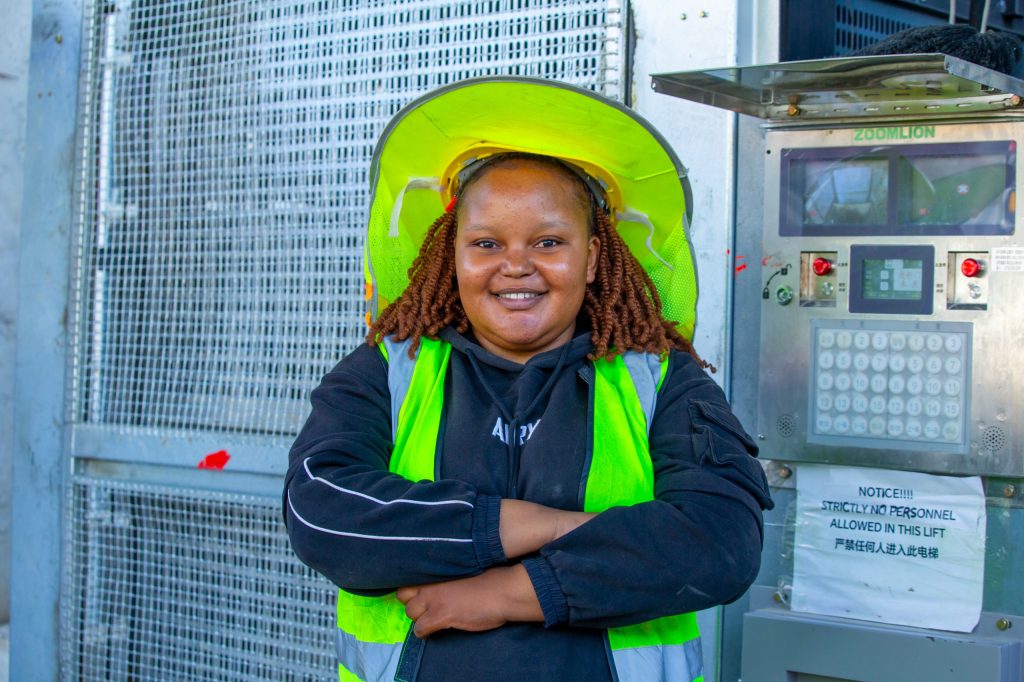
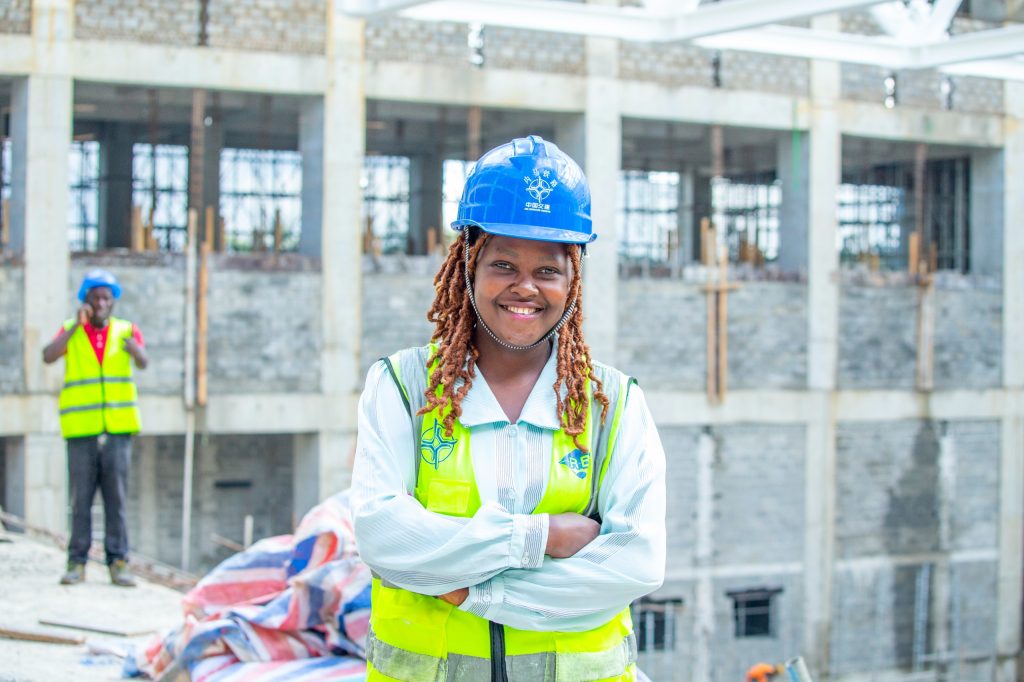
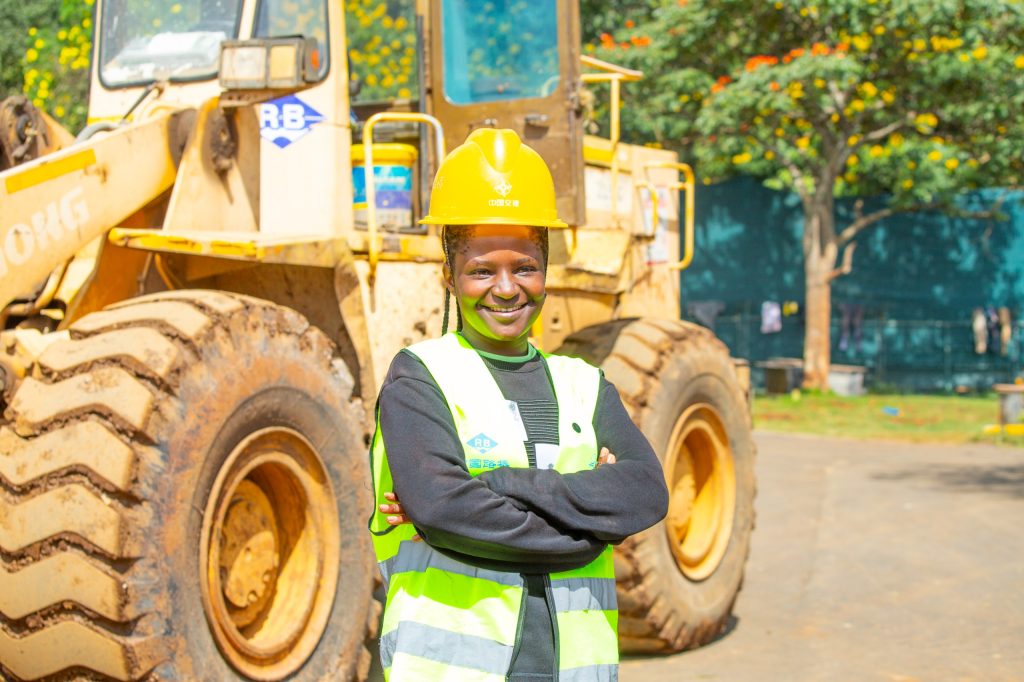
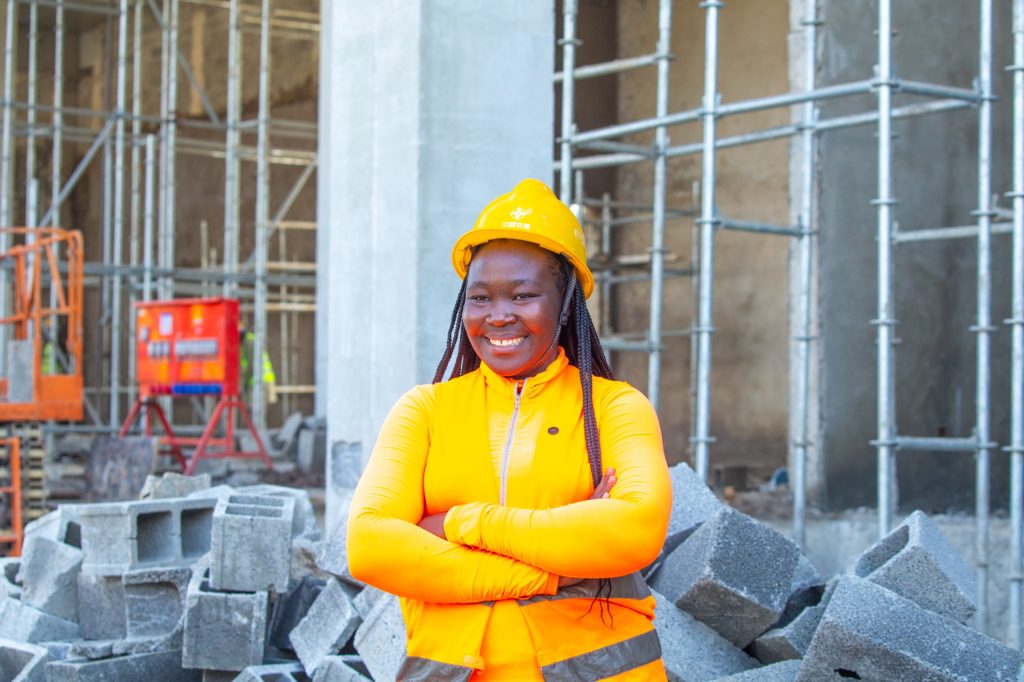
This week’s #BomasWeeklyTimeCheck coincides with Women’s History Month. We bring you top photos capturing the 40% progress of the BICC, while also spotlighting the women building Bomas, whose grit, expertise and world-class professionalism are shaping this landmark project.
A drone shot of the expansive BICC at 40% completion highlights the scale of progress. According to Lieutenant Colonel Wilfrida Amondi, the Kenya Defence Forces (KDF) architect and Project Officer, the site records over 2,500 workers daily as construction advances. The project is being managed by the Ministry of Defence, leveraging its engineering expertise and project management capacity, similar to its role in delivering major national infrastructure such as Talanta Stadium.Lieutenant Colonel Wilfrida Amondi, Kenya Defence Forces architect and the project officer BICC, is the first female architect at the KDF. “It is inspiring to see women bring their skills, experience and grit to architecture, engineering and construction, especially in such a big project like the Bomas International Convention Centre. It warms my heart to see women represented across all levels, from casual labourers all the way to skilled ladies who are going to fix the 100-meter roof on the BICC,” she said.“I am a civil engineer. I work at the BICC. As the resident engineer, my work involves overseeing the quality control of the project, which includes interpretation of the design drawings, making sure that implementation is done as per the design.” Captain Sylvia Akisa – KDF Civil Engineer, BICC.The women building Bomas, led by Lieutenant Colonel Wilfrida Amondi, are delivering the Bomas International Convention Centre with precision.Abigael David, a steel fixer at the BOMAS International Convention Complex.Liz Wendy, is a hoist operator at the complex under construction. She ensures the building materials get to the highest floor.Gladys Mutuku, the site’s safety officer, ensures everyone on site is properly geared and safeguarded against risks such as falling objects and electrical hazards.Mary Ogesa, a heavy equipment operator, stands beside a wheel shovel machine she operates at BICC.Doreen Odiye, a Mason at the BOMAS International Convention Centre (BICC).Sussy Afandi, a mason at the BICC, has been working on site since the project began and takes pride in contributing to the construction of this landmark from the ground up.Sharon Adongo is a surveyor; her role involves measuring and mapping the site, setting out construction points, and ensuring that all structures are built in the correct position, alignment and levels according to design specifications.As the 100-metre roof of the BICC begins to take shape, the Ministry of Defence, which is overseeing the project, is working with precision and pace to meet the project timelines.