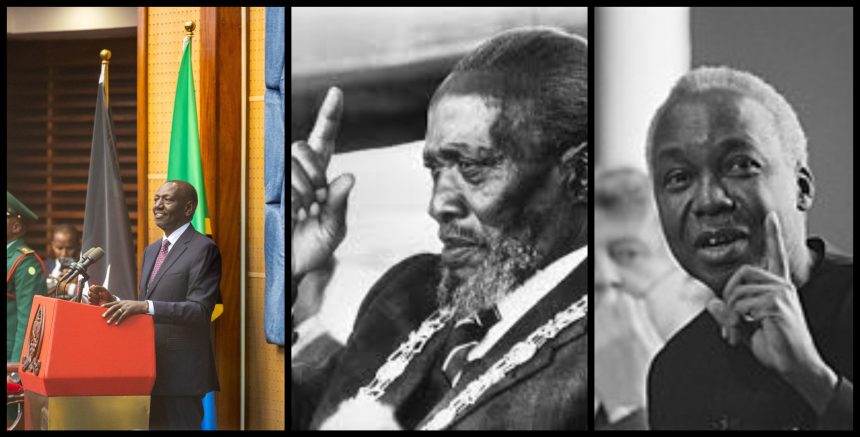
President William Ruto, on Tuesday, May 5, referred to the peaceful and historical relationship between Kenya and Tanzania, which has continued to shape both countries, during his address to the country’s Parliament in Dodoma.
The Head of State is on a two-day visit aimed at deepening bilateral ties between the two countries.

At the beginning of his address, he praised both nations’ founding fathers, calling their efforts at partnership (despite their differences) an inspiration.
“Our founding fathers, Julius Kambarage Nyerere and Mzee Jomo Kenyatta, saw beyond this prism,” Ruto said. “They understood that Africa’s future would not be secured in isolation but in unity, and planted the seed of regional integration because our destinies are intertwined and our strength lies in moving forward together.”
The President was using the East African Community (EAC), founded in 1967, as a touchpoint in his speech to emphasise the importance of Kenya/Tanzania collaboration.
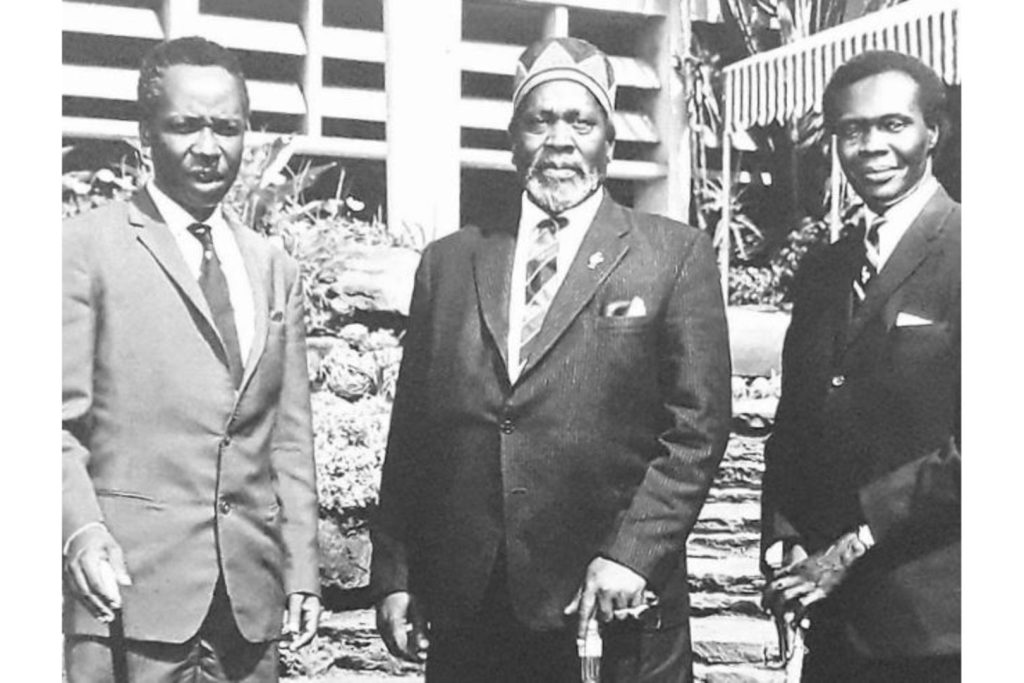
The EAC comprised three member states during its formation: Kenya, Tanzania and Uganda. The treaty was signed by the three heads of state, including President Milton Obote of Uganda.
The signing took place a few years after all three countries had achieved independence, and the treaty’s formation was grounded in continued regional solidarity and shared anti-colonial struggle. Tanzania and Kenya had supported one another politically and diplomatically in their push for self-rule, a historical fact the President referred to in his speech.
“Even during the struggle for independence, including the Mau Mau period, Tanzania stood with Kenya, affirming a shared belief in freedom, dignity, and self-determination,” Ruto said.
At the time of its formation, the main objective of the EAC was economic growth for all its member states, achieved by creating a common market and coordinating key services such as transport, communications, and trade that transcended borders. This economic cooperation served as the foundation of President Ruto’s speech and the objective of his state visit.
“For decades, Tanzania and Kenya have walked side by side, a partnership forged in struggle and anchored in shared purpose,” he said. “At its foundation stand two towering figures of African history: Julius Nyerere and Jomo Kenyatta. Their partnership, built on different but complementary visions, inspired a model of unity that transcended borders.”
While acknowledging the EAC’s collapse in 1977, Ruto warned of the importance of collaboration and advised that the two nations learn from the mistakes of 1977.
“We must reflect honestly on lessons we cannot afford to repeat. The collapse of the Community in 1977 was not, at its core, a clash of ideologies. Whether capitalism in Kenya or Ujamaa in Tanzania, each system sought to advance the welfare of the people. But governance, national or regional, is ultimately judged by its ability to deliver opportunity, equity, and prosperity.
“Where it does not, mistrust and division emerge. Our failure was not in building a shared economic vision that worked for all, but in retreating into narrow national interests instead of treating our shared resources, infrastructure, and markets as joint strategic assets for collective benefit.”

Painting a picture of the future for both nations, Ruto said that Kenya and Tanzania’s ties, built on mutual respect, continued peaceful co-existence, and statesmanship, are what brought the community back together in 1999.
“Today, that Community stands renewed and expanded, but its foundation remains the same: A growing partnership between our nations, defined not by the absence of challenges, but by our ability to overcome them and move forward together in pursuit of shared growth and shared strength,” he said.
Adding that these similarities are what continue to bind the two nations together.
“It is this enduring foundation of shared history, shared sacrifice, and shared purpose that finds expression in the ties that bind Tanzania and Kenya today.”
Beyond a shared struggle, the peace between Kenya and Tanzania has long been anchored in their shared border, shared language (Kiswahili) and deep cultural ties. Communities such as the Maasai, Luo, and Kuria live on both sides, maintaining family links, trade networks, and cultural practices that predate colonial boundaries.
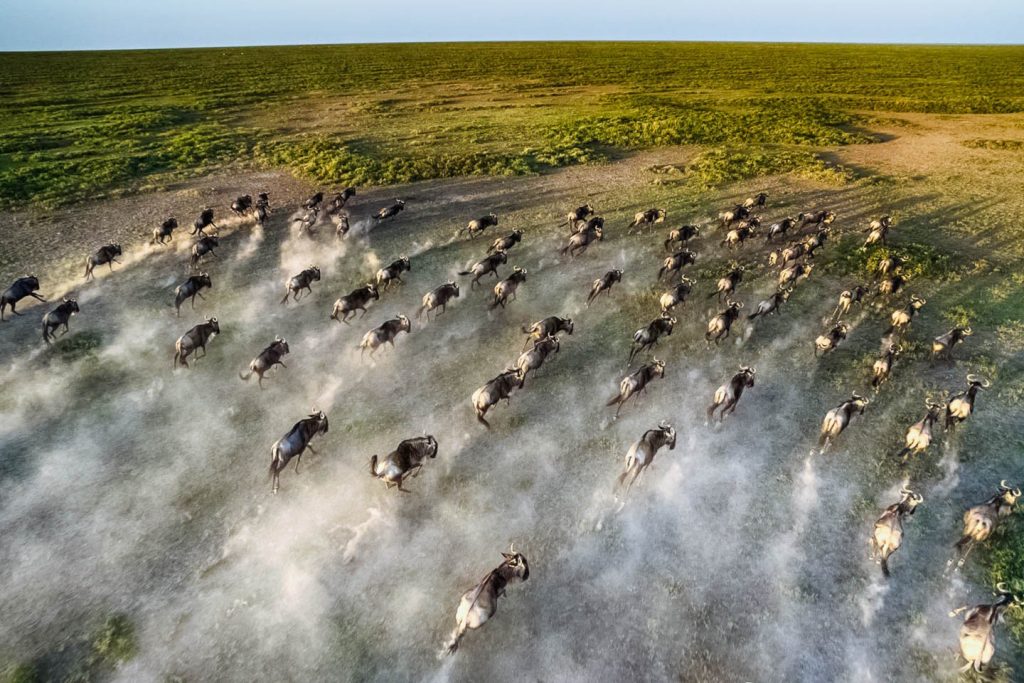
The two nations also share the 8th Wonder of the World.
“Perhaps the most powerful illustration of our unity is found in nature itself. Each year, during the great wildebeest migration, millions of animals move freely between the Serengeti and Masai Mara, guided not by borders but by survival,” Ruto said. “They do not stop at borders. They simply cross and return. What nature has made seamless, policy must not make difficult.”
The President is expected back in the country following Tuesday’s historic address.