Ministry of Health has announced plans to transition 107,000 Community Health Promoters into the Social Health Authority (SHA) comprehensive medical scheme.
The transition will be implemented through a collaborative framework between the national and county governments aimed at improving their welfare and long-term institutional support.

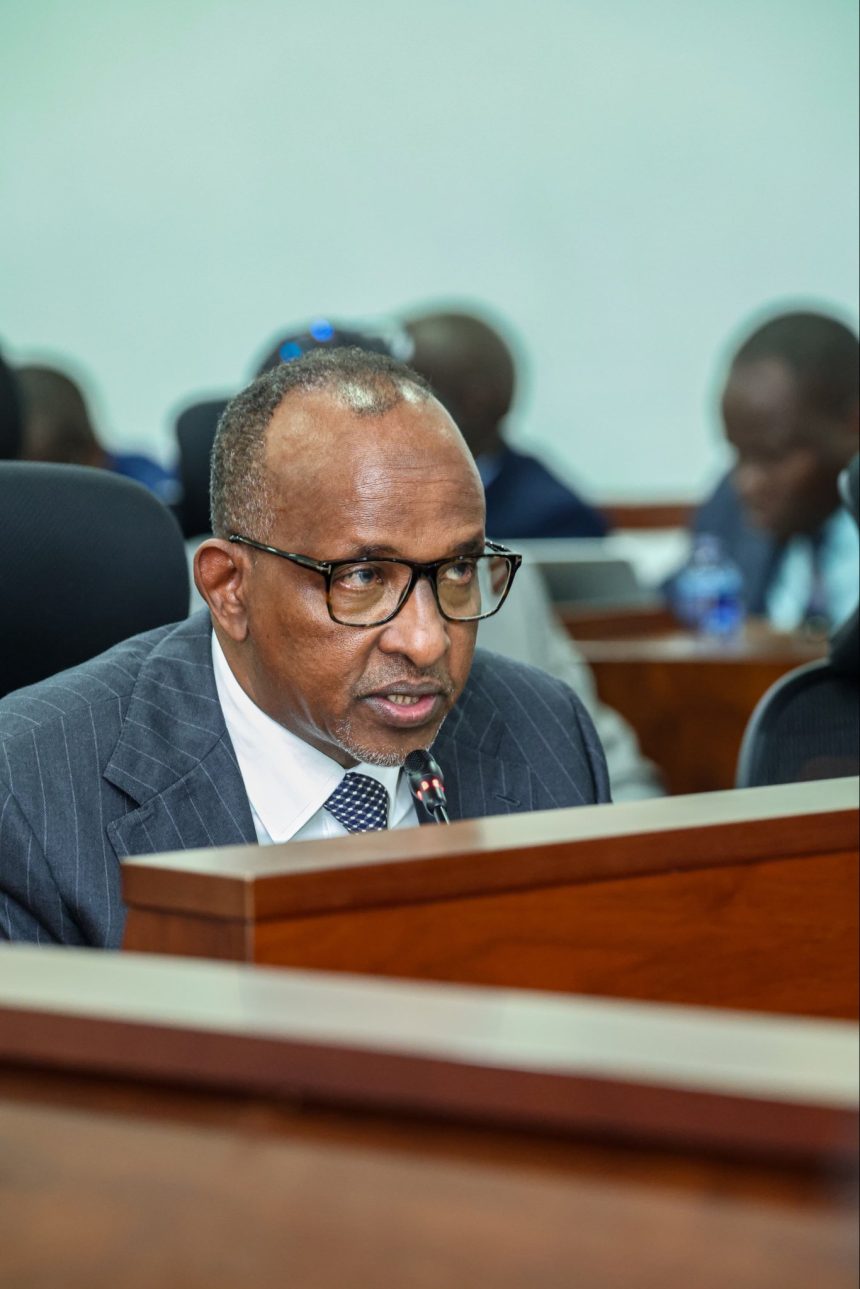
Speaking during an engagement with the National Assembly Departmental Committee on Health at Bunge Towers, Nairobi, Cabinet Secretary for Health Aden Duale highlighted the urgent need to replace and upgrade CHP kits to enhance grassroots service delivery and reinforce preventive and promotive healthcare interventions within communities.
The CS reaffirmed governments commitment to strengthening Kenya’s healthcare system through sustained reforms, strategic financing, and enhanced collaboration between the national and county governments.
Duale who spoke when leading the Ministry in presenting the 2026/2027 Financial Year Estimates for the State Department for Medical Services before the Committee chaired by Seme MP Dr. James Nyikal.
The discussions centred on accelerating the country’s Universal Health Coverage (UHC) agenda through targeted investments in health systems strengthening, workforce support, digital transformation, and improved service delivery across the country.
The Ministry outlined the broad mandate of the State Department for Medical Services, including policy direction, regulatory coordination, institutional capacity strengthening, management of national referral services, and provision of technical support to counties in delivering healthcare services.
Among the key priorities presented to the Committee were expansion of local manufacturing of medical products and technologies, modernization of healthcare systems through digitization, and strengthening accountability mechanisms to improve efficiency and access to quality healthcare services across the country.
Particular emphasis was placed on the critical role played by Community Health Promoters (CHPs) in linking households to the healthcare system and strengthening primary healthcare interventions at the community level.
Leading the Ministry delegation, Duale further appealed for enhanced budgetary allocations towards several high-impact yet underfunded programmes, including operationalisation of the East Africa Centre for Excellence in Urology and Nephrology, strengthening the Kenya National Blood Transfusion Services, scaling up the Primary Healthcare Fund to sustain outpatient services at Levels 2 and 3 facilities, and increased support for the Emergency, Chronic and Critical Illness Fund.
Additional financing was also sought for national referral hospitals to address rising operational and human resource demands.
On the status of UHC healthcare workers, the Ministry confirmed extension of their engagement contracts up to 30th June 2026 to facilitate a smooth and structured transition process as county governments prepare for their absorption on permanent and pensionable terms.
The Committee was further briefed on ongoing reforms focused on improving efficiency in health financing, strengthening supply chain systems, enhancing digital health infrastructure, and ensuring uninterrupted availability of essential medicines and commodities across all levels of care.
The engagement also underscored the importance of safeguarding health financing as a strategic investment in Kenya’s economic resilience and human capital development.
Immunization financing remains protected to sustain gains made in child health and prevent resurgence of vaccine-preventable diseases.
The Ministry delegation included Principal Secretary for Medical Services Dr. Ouma Oluga, Director-General for Health Dr. Patrick Amoth, alongside senior Ministry directors, technical leads, and chief executive officers.