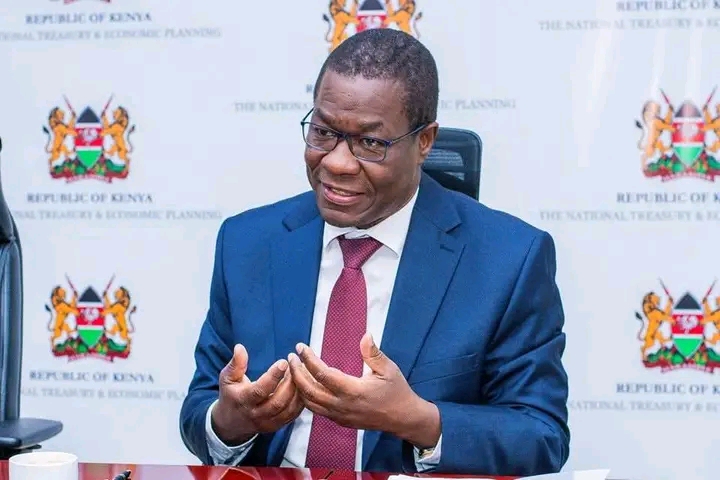
Energy and Petroleum Cabinet Secretary Opiyo Wandayi says efforts by the government to contain rising fuel prices continue to shield consumers from adverse price increases even as diesel and super petrol prices cross the Ksh 200 mark since 2020.
On Thursday, the Energy and Petroleum Regulatory Authority (EPRA) announced the sharpest fuel increase in recent times where a litre of super petrol and diesel went up by Ksh 16.65 and Ksh 46.29 respectively much to the shock of consumers.

However according to Wanayi, the Government-to-Government (G-to-G) fuel importation framework as well as the decision by the government to reduce Value Added Tax on petroleum products from 16pc to 8pc have have cushioned consumers from adverse pump prices.
“Currently, global spot freight and premium rates for petroleum cargoes have more than doubled exposing countries reliant on spot purchases to very high escalations in the landed costs. Insurance premiums have also escalated greatly considering the impasse at the Strait of Hormuz further, compounding petroleum import costs.
Supply and demand imbalances across the world continue to be observed leading to very high volatility in price coupled with limited availability of cargoes. Kenya continues to benefit from the fixed freight and premium costs for refined petroleum imports secured under the G-to-G arrangement,” said Wandayi.
According to EPRA, the average landed cost of super petrol went up by 10c while diesel increased by 20.32pc between March and April. Price of kerosene on the other hand went up by Ksh 1.59pc.
To provide relief to consumers against price increases, the authority deployed Ksh 5 billion from the Petroleum Development Levy Fund.
According to Wandayi, the government is currently engaging stakeholders across the energy, transport, manufacturing and business sectors to identify practical and sustainable measures aimed at minimizing the impact of rising fuel costs on consumers.
“We should all remain vigilant against possible profit-driven exploitative practices during this period of uncertainty, ensuring that consumers are not placed at any further disadvantage,” said he added.
Wandayi has further assured the public that the country currently has adequate petroleum stocks and that the government continues to closely monitor developments in the international oil market.
Following the review, maximum pump prices allowed for a litre of super petrol climbed to Ksh 214.25, diesel Ksh 242.92 and kerosen Ksh 152.78.