President William Ruto has announced that the first 100,000 Electric Vehicles (EVs) imported into Kenya will be exempt from import duties, as part of a broader strategy to reduce the nation’s vulnerability to global fuel shocks.
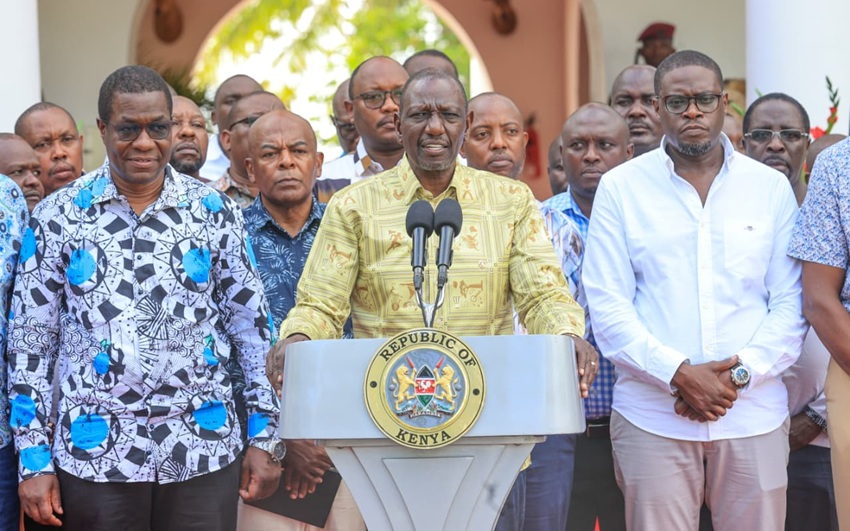
Speaking at State House, Mombasa Friday, following a meeting with transport sector stakeholders, the President said the duty-free waiver applies to both public service and private-use EVs adding that the move aims to accelerate Kenya’s transition to electric mobility amid a global fuel crisis triggered by ongoing conflict in the Middle East.

“We must embrace electric vehicles,” Ruto said. “This is not only about overcoming the current crisis, but also about building a more self-reliant, resilient, and economically secure Kenya for generations to come.”
The President added that the government is courting EV manufacturers to establish local production facilities. As an initial step, he noted that 3,000 electric vehicles have already been procured through the Ministry of Interior for use by security and administration officials.
The announcement came as Kenya grapples with sharp increases in fuel prices, with diesel and kerosene having risen by over 118 per cent since February 2026. The government has so far committed Ksh 28.19 billion in fuel price stabilisation and VAT relief measures.
Ruto assured Kenyans that the country has no fuel shortage, urging calm and unity as the nation navigates the global energy crisis.