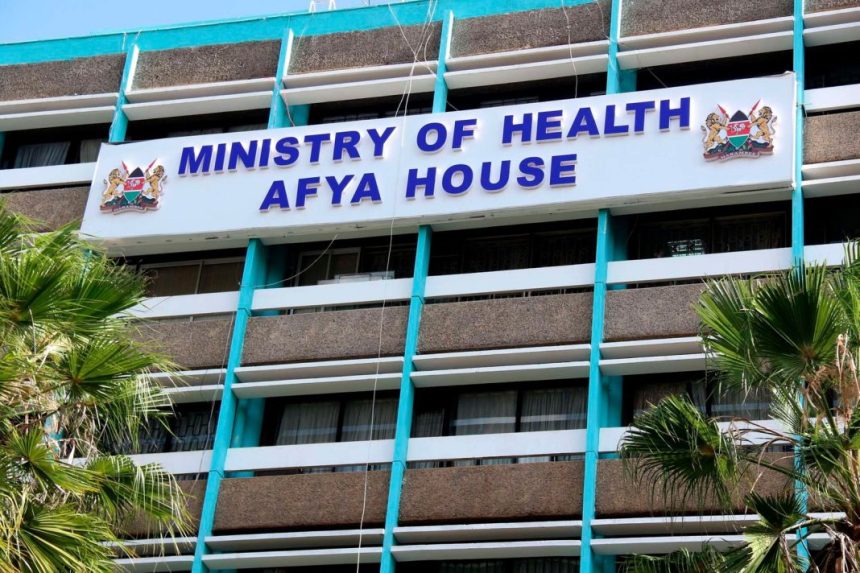
More than 80,000 travellers have been screened for Ebola Virus Disease (EVD) at Kenya’s points of entry, with 56 suspected samples testing negative.
In the latest update, the Ministry of Health said 3,969 travellers were screened in the last 24 hours alone, while 347 rapid response personnel have been placed on standby as the country strengthens preparedness against an ongoing Ebola outbreak in neighbouring countries.

“To date, more than 80,000 travellers have been screened for Ebola Virus Disease through various Points of Entry, including 3,969 travellers screened within the last 24 hours alone. In addition, a total of fifty-six (56) samples collected from alerts involving individuals with recent travel history to the DRC and Uganda have been tested, and all results have been negative”, Health Cabinet Secretary Aden Duale said.
He said Kenya remains at elevated risk because of its close trade, transport and population links with countries in the region, prompting the government to intensify national preparedness and response measures to safeguard public health.
“I wish to reassure all Kenyans that, as of 5 June 2026, Kenya has not reported any confirmed case of Ebola Virus Disease,” the ministry said in a statement.
Measures already in place include activation of the National Incident Management System, intensified surveillance at points of entry, designation of laboratories for Ebola testing, and strengthened coordination mechanisms at both national and county levels.
Preparedness and response activities continue to be enhanced in collaboration with county governments, regional institutions, and international partners.
The ministry said simulation exercises are ongoing in 25 high-risk counties to assess the country’s capacity to detect and respond to outbreaks promptly and effectively.
Kenya is also implementing enhanced risk-based screening, traveller assessment, monitoring and rapid response measures in line with guidance from the World Health Organization (WHO) and the International Health Regulations framework.
Public awareness campaigns targeting border communities, transport operators, healthcare workers and other vulnerable groups have also been intensified.
More than 1,759 national and county healthcare workers have been sensitised on Ebola preparedness and response.
“The Ministry continues to undertake sustained public awareness and risk communication campaigns targeting border communities, healthcare workers, transport operators, and other vulnerable populations. Members of the public are advised to remain calm but vigilant and to seek immediate medical attention if they develop symptoms such as fever, chills, headache, joint pain, muscle pain, backache, nausea, vomiting, diarrhoea, fatigue, weakness, skin rash, sore throat, or signs of impaired kidney or liver function, particularly following recent travel to the DRC or Uganda”, Duale appealed.
The ministry further advised the public to maintain proper hygiene, avoid contact with bodily fluids of sick individuals, refrain from handling sick or dead animals, and rely on information from official public health authorities.
The CS also cautioned against the spread of misinformation, noting that unverified reports can cause unnecessary panic.
“Members of the public are urged to refrain from spreading unverified information that may cause unnecessary panic. The Ministry continues to closely monitor the situation and will keep the public informed as developments emerge”, the Ministry said.